Understanding the Essential Permits for Solar Installation
Thinking about harnessing solar energy for your home? Discover which permits are required for solar installation to ensure your project complies with local regulations. This informative guide explores what you need to know before installing solar panels, helping you navigate the essential paperwork.
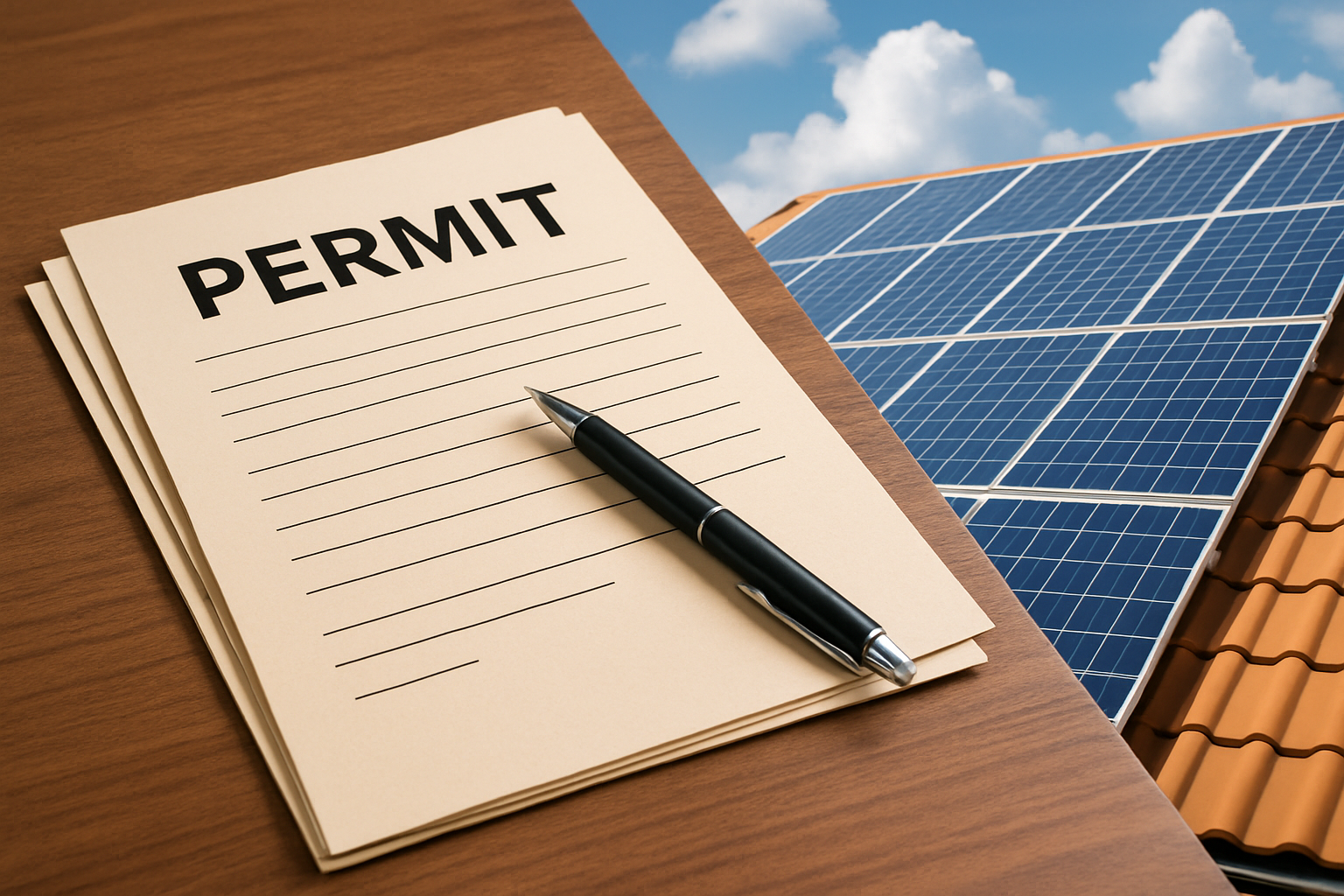
Understanding Permits for Solar Installation
When contemplating a solar installation for your home or business, it's crucial to understand the permitting process involved. This ensures not only compliance with local regulations but also the smooth execution of your solar project. The permitting process can vary significantly depending on your location, the scale of your installation, and the specific codes that apply. In this article, we will delve into the permits required for solar installation, providing you with a comprehensive guide on navigating these often complex requirements.
Why Are Permits Necessary for Solar Installation?
Permits are essential to ensure that your solar installation is safe, reliable, and up to code. They help local authorities confirm that the proposed installation does not pose a risk to the building structure, electrical system, or public safety. Moreover, permits act as a record that the installation meets all local zoning laws and building codes. This step is crucial in preventing potential legal issues that could arise from non-compliance, which can lead to fines or even the requirement to remove the installation.
Types of Permits Required
- Building Permit: This is necessary to confirm that the installation will not adversely affect the structural integrity of your property. Local municipalities need to verify that the roof can handle the additional weight of solar panels and that the mounting hardware is appropriately integrated.
- Electrical Permit: An electrical permit is crucial for ensuring the installation is safely set up in accordance with the local electrical codes. This includes the wiring, inverter, and connections to the main power grid.
- Mechanical Permit: If your installation involves any ventilating systems or changes to heating mechanisms, a mechanical permit might be required.
- Zoning Permit: Some jurisdictions require a zoning permit to ensure that the solar installation complies with land-use policies, neighborhood covenants, and aesthetic guidelines.
Steps to Obtain Solar Installation Permits
Obtaining the necessary permits for solar installation involves several key steps. While these may vary slightly depending on your location and the specific requirements of your local authorities, the general process can be outlined as follows:
- Review Local Codes and Regulations: Begin by familiarizing yourself with local building and electrical codes. This step will provide a baseline understanding of what is required.
- Hire a Licensed Contractor: Engage with a licensed and experienced solar contractor. They can provide valuable insights into the permitting process and handle much of the paperwork on your behalf.
- Prepare and Submit Documentation: Gather all necessary documentation, which may include site plans, engineering drawings, and specifications of the equipment to be used. Your contractor can assist with this process and submit the permit applications to the relevant authorities.
- Inspection and Approval: Once the application is submitted, a local inspector may visit the site to ensure everything is planned according to code. Upon their approval, you will receive the permits to proceed with the installation.
Current Trends and Statistics in Solar Permitting
In recent years, the solar industry has witnessed significant growth, contributing to about 4% of the total electricity generated in the United States as of 2026 (Source: Solar Energy Industries Association). This increase in solar applications has prompted efficiency improvements in the permitting process, with some jurisdictions adopting online permitting portals to streamline applications and reduce wait times.
Programs like "SolarAPP+" (Automated Permit Processing) have emerged, allowing for instantaneous permitting of standard residential rooftop solar designs. These programs are expected to enhance the efficiency of the permitting process further, aiming to decrease the overall installation time by 20% by 2026 (Source: Department of Energy).
Real-World Examples of Permitting Efficiency
Consider cities like San Jose, California, which has adopted SolarAPP+ resulting in significantly reduced lead times and improved customer satisfaction. By allowing contractors to skip several traditional steps required in obtaining approval, homeowners and businesses can enjoy faster installations with approved plans.
Common Challenges in Solar Permitting
Navigating the permitting process can come with a few challenges, such as:
- Inconsistent Regulations: Permitting requirements can vary widely, even within nearby regions, making understanding specific local regulations a concern.
- Lengthy Approval Times: In areas not utilizing streamlined processes, approvals can be delayed by several weeks, impacting project timelines.
- Cost of Permits: The fees associated with obtaining permits can add to the overall project cost, making budgeting crucial.
With awareness of these potential hurdles, engaging knowledgeable contractors and utilizing modern application tools can significantly ease the permitting journey.
Conclusion
While the process of obtaining permits for solar installation might seem daunting, understanding the requirements and following a structured approach can mitigate most challenges. With increasing support from technology and evolving regulations that aim to promote clean energy adoption, now is an excellent time to explore solar energy options. Being thoroughly informed about permits not only ensures compliance but also enhances the safety and efficiency of your solar installation.