Understanding the Factors That Activate HPV: What You Need to Know
Understanding what causes a dormant HPV infection to suddenly become active is a crucial step in managing your health. While the virus can lie inactive for years, its activation is rarely triggered by a single event.
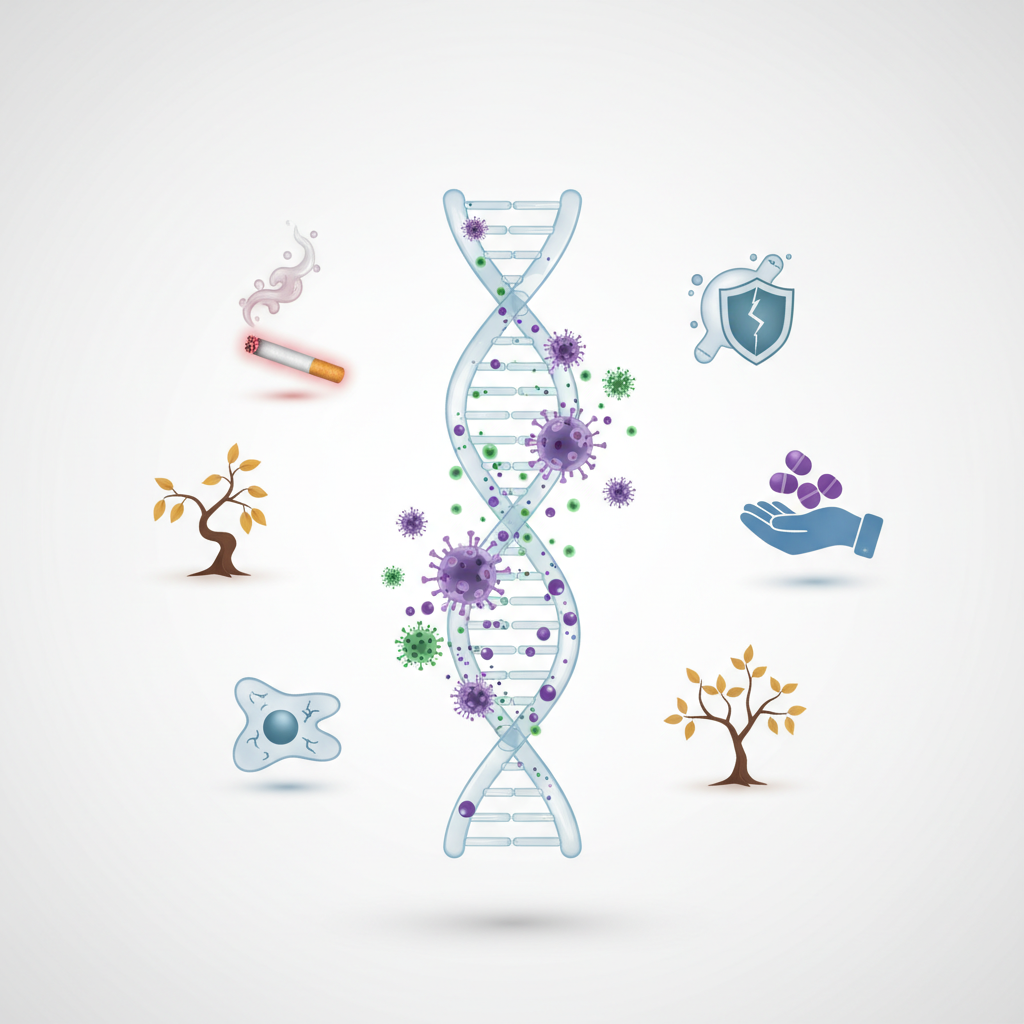
The Primary Factor: A Weakened Immune System
The human papillomavirus (HPV) is incredibly common, with most sexually active people contracting it at some point. For the majority, the infection is cleared or suppressed by the body without causing any issues. The virus enters a dormant or latent state, meaning it's still present in the body's cells but is not actively replicating or causing symptoms. The single most significant factor that allows this dormant virus to "wake up" and become active is a compromised or weakened immune system.
Think of your immune system as a vigilant security guard for your body. When it's strong and functioning optimally, it keeps latent viruses like HPV in check, preventing them from multiplying. However, if the immune system becomes distracted, suppressed, or weakened, it can no longer effectively control the virus. This provides HPV with the opportunity it needs to begin replicating, which can lead to the development of genital warts, abnormal cell changes on a Pap test, or other symptoms. Therefore, virtually all triggers for HPV activation are, in essence, factors that negatively impact your immune health.
Key Triggers That Can Weaken Your Immune Response
While a weakened immune system is the direct cause, several lifestyle factors, health conditions, and external influences can contribute to that state. Understanding these triggers is key to understanding HPV reactivation.
Chronic Stress and Cortisol
In today's fast-paced world, stress is a common experience. While short-term stress can temporarily boost the immune system, chronic, long-term stress has the opposite effect. When you are persistently stressed, your body produces high levels of the hormone cortisol. Elevated cortisol over long periods suppresses immune function, reducing the number of virus-fighting lymphocytes in your body. This state of immune suppression can be a major trigger for a latent HPV infection to become active and start causing cellular changes.
This connection is not just theoretical; studies have shown a link between high levels of psychological stress and the persistence of high-risk HPV infections. Managing stress through practices like mindfulness, exercise, therapy, or meditation is not just beneficial for mental health but can also play a role in supporting the immune system's ability to keep viruses like HPV under control.
Poor Nutrition and Vitamin Deficiencies
Your immune system requires a steady supply of essential vitamins and minerals to function properly. A diet high in processed foods, sugar, and unhealthy fats and low in fruits, vegetables, and whole grains can lead to deficiencies that weaken your body's defenses. Specific nutrients are particularly crucial for fighting viral infections.
Vitamins such as Vitamin C, Vitamin A, and B-complex vitamins (especially folate) are vital for the health and function of immune cells. Minerals like zinc and selenium also play a critical role. A deficiency in any of these can impair your body's ability to suppress HPV, potentially triggering its reactivation. Maintaining a balanced, nutrient-dense diet is a foundational step in supporting a robust immune response.
Smoking and Tobacco Use
Smoking is one of the most well-documented risk factors for persistent HPV infections and the development of HPV-related cancers, particularly cervical cancer. The chemicals in tobacco smoke have a direct immunosuppressive effect. They can damage the specialized immune cells (Langerhans cells) in the cervix that are responsible for detecting and fighting HPV.
By weakening the local immune response in the cervical tissue, smoking makes it significantly harder for the body to clear an HPV infection. This allows the virus to persist and become active, increasing the risk of it causing abnormal cellular changes that can eventually lead to cancer. Quitting smoking is one of the most impactful actions a person can take to reduce their risk of HPV-related complications.
Co-infections and Other Illnesses
Your immune system has a finite amount of resources. If it's busy fighting off another infection, whether it's the common flu, another sexually transmitted infection (STI) like herpes or chlamydia, or a more serious chronic condition, it can become over-taxed. This diversion of immune resources can mean there are fewer defenses available to keep HPV in its dormant state.
This is particularly true for infections that cause chronic inflammation or directly target the immune system, such as HIV. An individual with an uncontrolled HIV infection has a severely weakened immune system, making them much more susceptible to HPV reactivation and rapid progression of HPV-related diseases.
Immunosuppressive Medications
Certain medical treatments are specifically designed to suppress the immune system. These include corticosteroids used for inflammatory conditions, chemotherapy for cancer, and powerful anti-rejection drugs taken by organ transplant recipients. While these medications are essential for treating specific health issues, they intentionally weaken the body's defenses.
For individuals taking these drugs, the risk of a dormant HPV infection becoming active is significantly higher. The suppressed immune system is simply unable to keep the virus in check, leading to a higher likelihood of developing warts or precancerous lesions. Patients on these medications require more vigilant monitoring for HPV-related issues.