Understanding the Financial Impact: Retiring at 62 vs. 67 and Your Social Security Benefits
Deciding when to retire is crucial. Want to understand the difference in your Social Security benefits if you retire at 62 vs 67? This decision impacts your financial future. While retiring at 62 allows for earlier access, waiting until 67 may result in higher monthly payments.
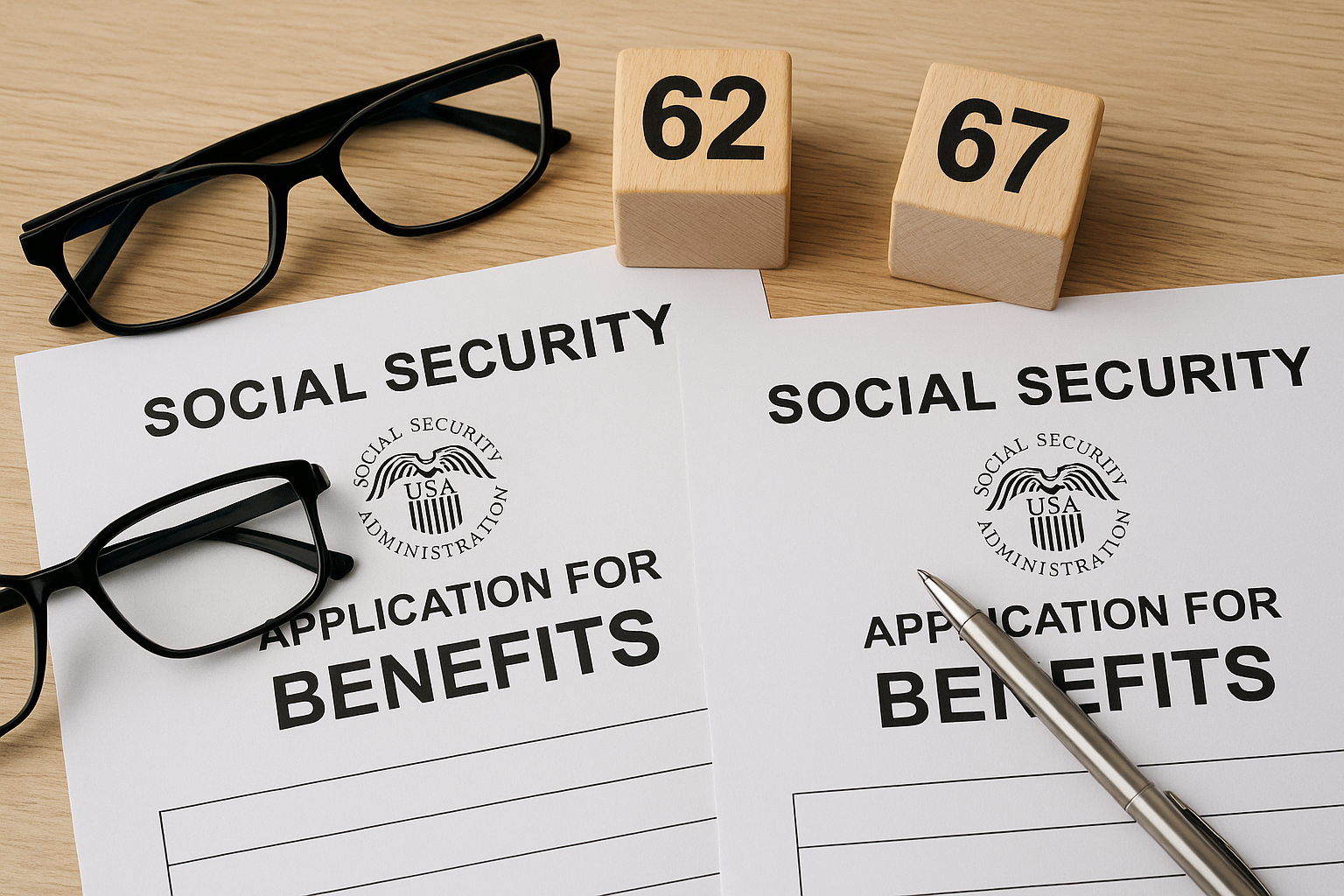
Understanding Social Security: Retiring at 62 vs 67
Deciding when to retire is a significant financial decision, especially considering its impact on your Social Security benefits. The choice between retiring at 62 or 67 can affect your benefit levels, retirement lifestyle, and long-term financial planning. In this guide, we'll explore what happens to your Social Security if you retire at these two different ages, providing insights and examples to help you understand the implications.
Basic Social Security Benefit Principles
Social Security benefits are primarily determined by your lifetime earnings and the age at which you begin taking those benefits. The funds are designed to provide a steady stream of income during retirement, based on your highest 35 years of earnings. Understanding two key concepts—Full Retirement Age (FRA) and Early vs. Delayed Retirement Credits—is essential for making an informed decision about when to start claiming benefits.
- Full Retirement Age (FRA): This is the age at which you can receive 100% of your Social Security benefits based on your earnings record. For most people born after 1960, the FRA is 67 years.
- Early Retirement: You can claim Social Security benefits as early as age 62, but your monthly payment will be permanently reduced. The reduction is approximately 6.7% per year or about 0.56% each month before reaching FRA.
- Delayed Retirement Credits: Postponing benefits beyond your FRA increases your monthly payment by 8% per year until age 70.
Retiring at 62: Pros and Cons
Retiring at 62 means you can start enjoying your retirement sooner, but it also means accepting a reduced monthly benefit. This decision largely depends on your financial situation, health, and life expectancy.
Benefits of Early Retirement
- Immediate Income: Access to funds as soon as you qualify, which could be beneficial if you need financial support or want to retire while still in good health.
- Longer Retirement Duration: More years to enjoy hobbies, travel, and family time, assuming good health.
Drawbacks of Early Retirement
- Reduced Benefits: A permanent decrease in benefits by up to 30% compared to waiting until FRA. For instance, if your FRA benefit is $2,000 per month, retiring at 62 could reduce it to roughly $1,400.
- Longevity Risk: If you live longer than average, reduced payments might lead to financial strain in later years.
Retiring at 67: Pros and Cons
On the other hand, retiring at 67 allows you to receive your full Social Security benefits. This option might be more suitable for those who can continue working or have other sources of income to sustain them until reaching FRA.
Benefits of Retiring at Full Retirement Age
- Full Benefits: There is no reduction, allowing you to maximize your monthly and lifetime Social Security income.
- Financial Stability: Higher benefits can provide greater long-term security, which is particularly important for those worried about outliving their savings.
Drawbacks of Retiring at Full Retirement Age
- Delayed Income: You forgo several years of Social Security income compared to early retirement.
- Health Considerations: There’s a risk that unforeseen health issues before 67 could affect your ability to enjoy retirement.
Real-World Examples and Considerations
To illustrate, consider two hypothetical individuals:
- John, aged 62, decides to retire early to spend more time with his grandchildren. He accepts a monthly benefit reduction but is content with his decision because it aligns with his lifestyle goals.
- Barbara, aged 67, waits until her FRA to retire. She receives full benefits, which provide her with a more substantial monthly income, giving her a sense of financial security as she ages.
These examples highlight the personal nature of the decision. Important factors to consider include current health, life expectancy, financial needs, and whether you plan to work part-time in retirement.
Additional Resources and Conclusion
For more detailed information and personalized advice, it's beneficial to consult resources like the Social Security Administration's online calculators and seek advice from financial advisors. Notable resources include:
- The Social Security Administration - A trusted source for official information, guides, and tools.
- AARP - Offers a variety of articles and calculators for retirement planning.
- Investopedia - Provides a broad spectrum of investment and financial education tools.
Ultimately, the decision to retire at 62 vs 67 boils down to personal circumstances and priorities. By weighing the benefits and drawbacks, and considering expected lifestyle and financial needs, you can make a choice that aligns with your retirement goals.
References