Understanding the Impact of Age on Cholesterol Levels After 40
Turning 40 is a major milestone, and it marks a significant shift in how your body handles cholesterol. It’s not just your imagination; your liver’s ability to clear out “bad” LDL cholesterol often becomes less efficient, while levels of protective “good” HDL cholesterol can begin to drop.
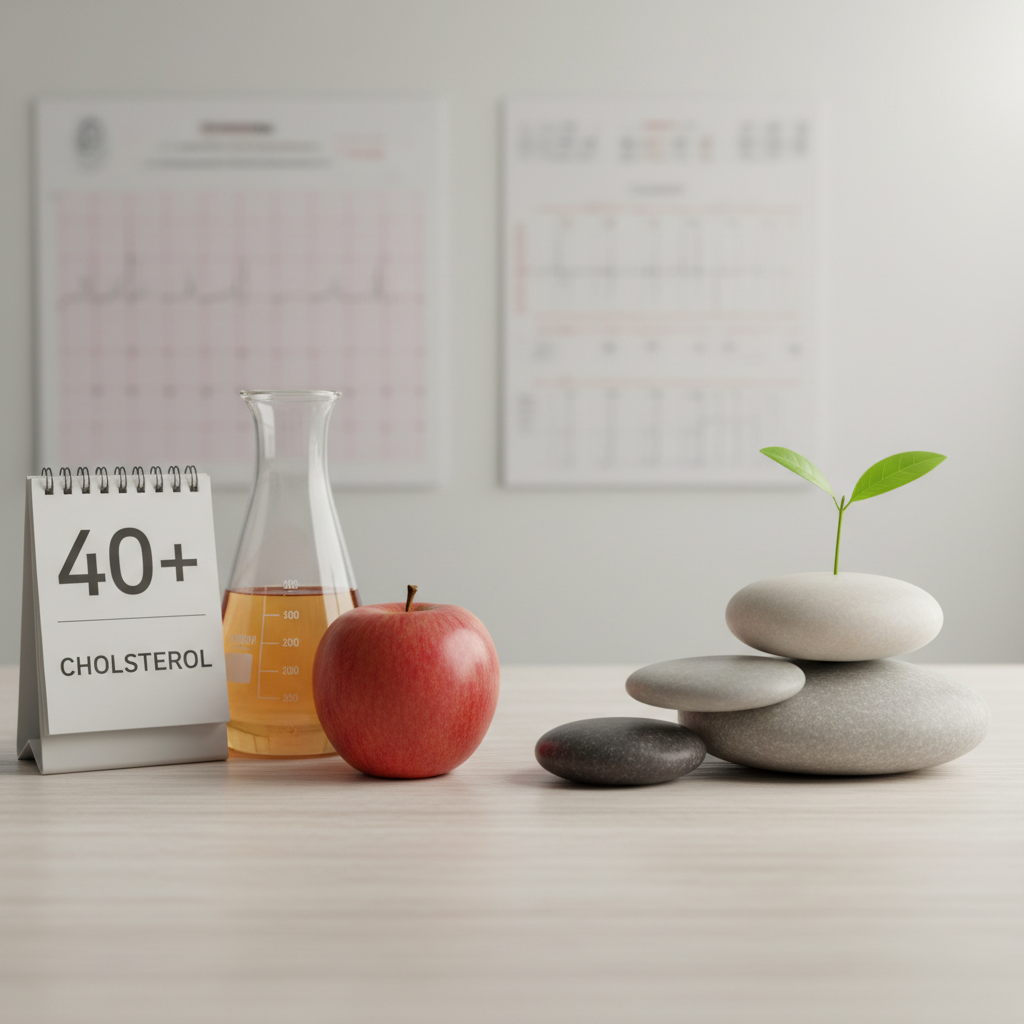
Key Cholesterol Changes You Might See After 40
Entering your 40s marks a significant milestone in life, often accompanied by shifts in career, family, and personal goals. It's also a time when your body's internal chemistry begins to change in subtle but important ways. One of the most critical of these changes involves cholesterol. While you may have paid little attention to it in your 20s and 30s, understanding how cholesterol levels evolve after 40 is crucial for maintaining long-term health and preventing cardiovascular issues down the road.
These changes aren't universal, and lifestyle plays a massive role, but certain patterns are common as our metabolism and hormonal systems adapt to aging. Here’s a detailed look at the typical cholesterol-related shifts you can expect after crossing this important age threshold.
1. LDL ("Bad") Cholesterol Tends to Rise
Perhaps the most well-known change is the tendency for Low-Density Lipoprotein (LDL) cholesterol to increase. Often dubbed the "bad" cholesterol, LDL is responsible for transporting cholesterol particles throughout your body. When you have too much LDL, it can build up on the walls of your arteries, forming hard deposits called plaque. This process, known as atherosclerosis, narrows the arteries and makes them less flexible, increasing the risk of heart attack and stroke.
After age 40, several factors contribute to rising LDL. The body's metabolism naturally begins to slow down, meaning you burn fewer calories at rest. This can lead to weight gain, which is a significant driver of higher LDL. Furthermore, the liver, which is responsible for clearing excess cholesterol from the blood, may become slightly less efficient with age. These combined factors mean that even if your diet remains the same as it was in your 30s, your body may struggle more to manage LDL levels effectively.
2. HDL ("Good") Cholesterol May Decline
While bad cholesterol is going up, its counterpart, High-Density Lipoprotein (HDL), may be headed in the opposite direction. HDL is considered "good" cholesterol because it acts like a scavenger, collecting excess cholesterol from your arteries and transporting it back to the liver for removal. Higher levels of HDL are protective against heart disease. Unfortunately, for many people, HDL levels can start to decline after 40.
A primary reason for this decline is often a shift toward a more sedentary lifestyle. As careers become more demanding and family obligations grow, physical activity can take a backseat. Regular aerobic exercise is one of the most effective ways to boost HDL levels. When activity levels drop, HDL production can decrease. Diet also plays a role; a diet low in healthy fats (like those found in olive oil, avocados, and nuts) and high in processed foods can contribute to lower HDL.
3. Triglycerides Often Increase
Triglycerides are another type of fat found in your blood that your body uses for energy. While not technically a type of cholesterol, they are measured as part of a standard lipid panel because high levels are also linked to an increased risk of heart disease. After 40, it's common to see triglyceride levels climb. This is often directly related to diet and metabolism.
Consuming more calories than you burn, particularly from sugary foods, refined carbohydrates (like white bread and pasta), and alcohol, causes your body to convert these excess calories into triglycerides, which are then stored in fat cells. As your metabolism slows with age, it becomes easier to fall into this caloric surplus, leading to elevated triglyceride levels. High triglycerides often go hand-in-hand with high LDL and low HDL, a combination that significantly raises cardiovascular risk.
4. Hormonal Influence Becomes More Pronounced, Especially for Women
Hormones play a powerful role in regulating cholesterol, and their influence becomes particularly noticeable after 40, especially for women. Estrogen is known to have a positive effect on cholesterol profiles, helping to keep LDL levels down and HDL levels up. As women enter perimenopause and menopause (which typically begins in the mid-to-late 40s), their estrogen levels decline significantly.
This drop in estrogen can lead to a rapid and dramatic shift in cholesterol levels. Many women see their LDL cholesterol rise and their HDL cholesterol fall, sometimes bringing their risk for heart disease to a level equal to or even greater than men of the same age. For men, the decline in testosterone is more gradual, but lower levels of this hormone can also be associated with unfavorable changes in cholesterol and an increased risk of metabolic syndrome.
5. The Body's Response to Diet Can Change
Your body's sensitivity to dietary fats and sugars can also change as you age. In your younger years, you might have been able to indulge in less-than-ideal foods with minimal impact on your blood work. After 40, however, the same dietary habits can have a much more pronounced effect. This is partly due to the metabolic slowdown and changes in how your body processes fats and sugars.
This heightened sensitivity means that a diet high in saturated and trans fats can cause a sharper spike in LDL cholesterol than it might have a decade earlier. Similarly, a high-sugar diet can lead to a more significant increase in triglycerides. This underscores the growing importance of a mindful, heart-healthy diet rich in fiber, lean proteins, and healthy fats as you get older.
Why Does Cholesterol Matter So Much, Anyway?
With so much talk about "good" and "bad" numbers, it's easy to view cholesterol as purely a villain. However, cholesterol itself is not inherently bad. In fact, it's a waxy, fat-like substance that is essential for life. Your body needs cholesterol to perform several vital functions, and your liver produces most of what you need. It is a fundamental building block for all your body's cells, helping to form cell membranes that protect the contents of each cell.
Beyond its structural role, cholesterol is also a precursor for producing critical hormones, including sex hormones like estrogen and testosterone, as well as cortisol, the stress hormone. It's also necessary for the production of vitamin D, which is crucial for bone health and immune function. Furthermore, your body uses cholesterol to make bile acids, which are essential for digesting fat in your diet. Without adequate cholesterol, these fundamental biological processes would grind to a halt.
The problem arises not from cholesterol itself, but from its imbalance and how it's transported in the bloodstream. When you have too much LDL cholesterol circulating, it can oxidize and accumulate in the artery walls, leading to the inflammation and plaque buildup of atherosclerosis. This is why balance is key. Having enough HDL cholesterol to clear out the excess LDL is what helps maintain a healthy cardiovascular system. Therefore, managing cholesterol isn't about eliminating it, but about keeping the different types in a healthy, harmonious balance to support your body's functions without causing harm.
Common Questions About Managing Cholesterol After 40
As you become more aware of these changes, it's natural to have questions about what to do next. Here are answers to some of the most common queries people have about managing their cholesterol in this new life stage.
What are the first steps to lower cholesterol naturally?
The good news is that lifestyle modifications can be incredibly effective in managing cholesterol levels. The first and most impactful step is often dietary change. Focus on incorporating more soluble fiber into your meals from sources like oats, barley, apples, and beans; soluble fiber can bind to cholesterol in the digestive system and help remove it from the body. Simultaneously, reduce your intake of saturated fats (found in red meat and full-fat dairy) and completely eliminate artificial trans fats (often found in baked goods and fried foods).
Regular physical activity is the second pillar of natural cholesterol management. Aim for at least 150 minutes of moderate-intensity aerobic exercise, like brisk walking, cycling, or swimming, each week. Exercise not only helps you maintain a healthy weight but has been shown to directly increase HDL ("good") cholesterol levels. Even small changes, like taking the stairs or going for a walk during your lunch break, can add up and make a difference.
How often should I get my cholesterol checked after 40?
General guidelines from health organizations like the American Heart Association recommend that all adults aged 20 and older should have their cholesterol checked every four to six years. However, once you reach age 40, your doctor may recommend more frequent screenings, especially if you have other risk factors for heart disease. These risk factors can include a family history of high cholesterol or heart disease, high blood pressure, diabetes, smoking, or being overweight.
For individuals in their 40s and beyond, an annual check-up that includes a lipid panel is a common and wise practice. This allows you and your doctor to track any changes over time and intervene early if your levels start to trend in the wrong direction. Regular monitoring is the key to proactive health management and preventing small issues from becoming major problems.
Can stress affect my cholesterol levels?
Absolutely. The connection between chronic stress and cholesterol is a growing area of research, and the evidence strongly suggests a link. When you are under long-term stress, your body produces higher levels of hormones like cortisol and adrenaline. High cortisol levels have been directly linked to increased total cholesterol, LDL, and triglycerides. This happens because stress hormones can signal the liver to produce more cholesterol and triglycerides as a source of energy for the body's "fight or flight" response.
Furthermore, the behavioral effects of stress can indirectly harm your cholesterol profile. People who are stressed are often more likely to engage in unhealthy coping mechanisms, such as eating high-fat, high-sugar "comfort foods," drinking more alcohol, smoking, or skipping exercise. These habits are all known to negatively impact cholesterol levels. Therefore, incorporating stress-management techniques like mindfulness, yoga, meditation, or even simple hobbies can be a powerful, though often overlooked, tool for supporting heart health.
Conclusion
Turning 40 is an invitation to become more proactive about your health, and understanding your cholesterol is a central part of that journey. The natural aging process brings changes to your metabolism and hormones that can lead to higher LDL, lower HDL, and increased triglycerides. However, these changes are not inevitable destiny. By being aware of these trends, you can take control through smart lifestyle choices, including a heart-healthy diet, regular exercise, and stress management. Regular check-ups with your doctor will empower you to monitor your levels and make informed decisions, ensuring your heart stays strong and healthy for many decades to come.