Understanding the Impact of Persistent High Blood Sugar on Your Body
Discover what happens inside your body when blood sugar stays high too long! High blood sugar can impact various systems in your body, potentially leading to multiple conditions. Learn about the subtle signs to watch for and tips on how to manage your health better.
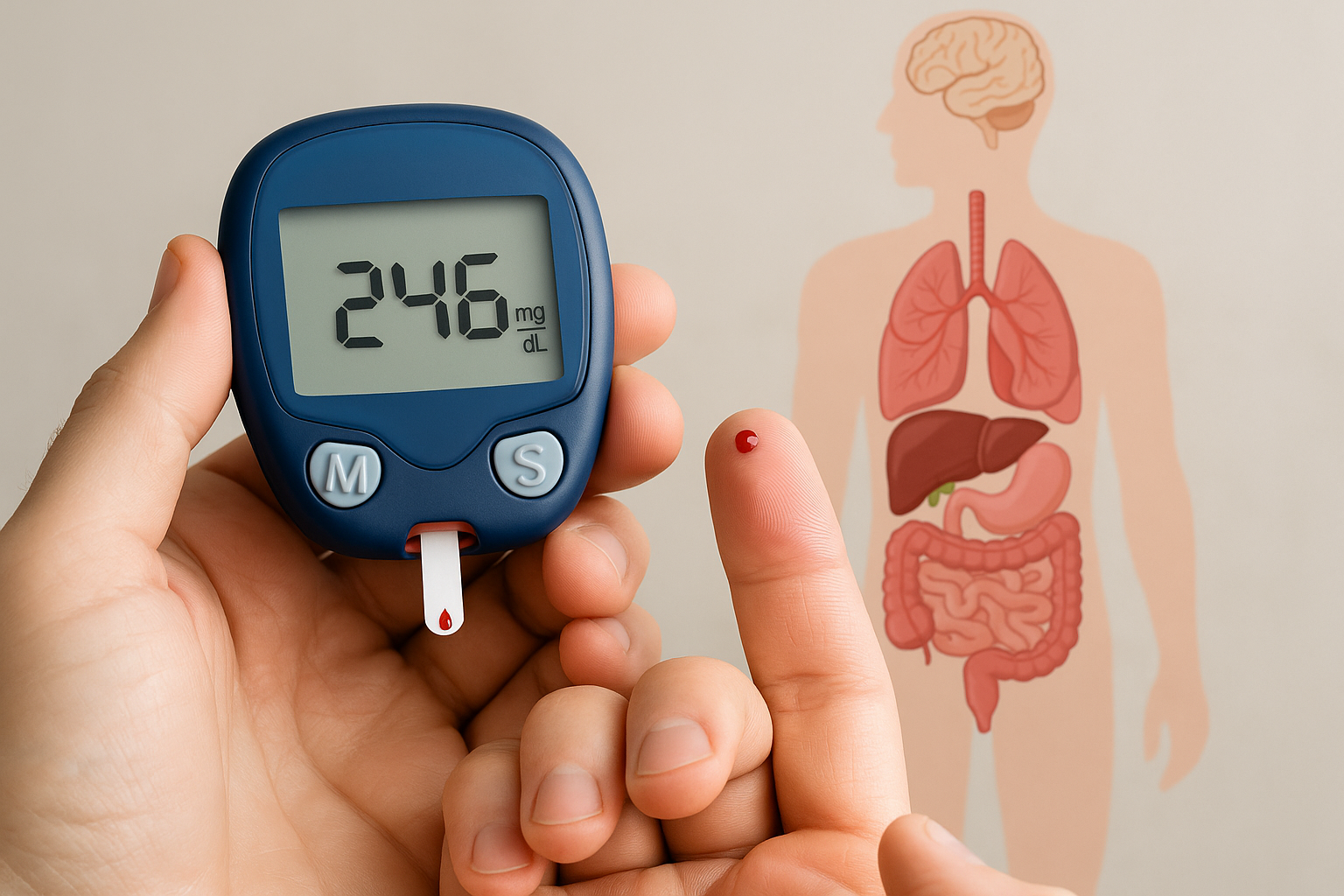
Understanding High Blood Sugar: What Happens When It Stays Elevated Too Long?
High blood sugar, medically known as hyperglycemia, is a condition where the levels of glucose in the blood are consistently above normal. Typically, normal blood sugar levels are less than 140 mg/dL after eating. However, when these levels remain high over an extended period, it can lead to significant health issues.
What Triggers High Blood Sugar?
High blood sugar can be caused by a variety of factors. Some common causes include:
- Consuming high amounts of carbohydrates and sugary foods.
- Insufficient insulin production or resistance to insulin.
- Stress, illnesses, or pain which can trigger the body's stress response, leading to increased glucose.
- Lack of physical activity.
Understanding these triggers can help in effectively managing and preventing persistent high blood sugar levels.
What Your Body Does When Blood Sugar Stays High
When blood sugar remains elevated, the body undergoes several changes. Here’s what happens internally:
1. Increased Urination and Thirst
The kidneys filter glucose from the blood but cannot handle excessively high levels. This results in glucose spilling over into the urine, creating a higher volume of urine production. Consequently, the body loses fluids, leading to frequent urination and increased thirst.
2. Fatigue and Low Energy Levels
With insufficient insulin or ineffective insulin usage, glucose does not enter cells efficiently. As a result, the body cannot convert food into energy, leading to persistent fatigue and sluggishness.
3. Risks of Cardiovascular Complications
Long-term high blood sugar can damage blood vessels and lead to heart disease and stroke. According to the CDC's 2026 report on diabetes, individuals with prolonged hyperglycemia are twice as likely to develop cardiovascular diseases compared to those with normal glucose levels (source).
4. Nerve Damage
Known as diabetic neuropathy, nerve damage is a common issue faced by those with prolonged hyperglycemia. This condition can cause numbness, pain, and weakness, especially in the hands and feet.
5. Kidney Damage
Excessive blood sugar strains the kidneys, potentially leading to kidney disease or renal failure. The National Institute of Diabetes and Digestive and Kidney Diseases reported elevated cases of kidney diseases linked to diabetes as of late 2025 (source).
6. Vision Problems
High blood sugar levels can damage delicate blood vessels in the retina, leading to retinopathy. Without management, this can progress to blindness. Regular eye examinations are crucial for those experiencing blood sugar irregularities.
Managing and Preventing High Blood Sugar
Prevention and management of high blood sugar involve lifestyle changes, medical interventions, and regular monitoring. Here are some effective strategies:
Dietary Adjustments
Paying attention to diet is crucial. Limit the intake of simple carbohydrates and sugars. Opt for whole grains, vegetables, and lean proteins. A healthful diet can help maintain stable glucose levels.
Regular Exercise
Physical activity helps improve insulin sensitivity and lowers blood sugar levels. Experts recommend at least 150 minutes of moderate aerobic exercise per week. Experiment with activities like walking, cycling, or swimming to find what best fits your lifestyle.
Consistent Monitoring
Regular monitoring using a blood glucose meter helps you track blood sugar levels accurately. This allows for timely adjustments in diet or medication, if necessary.
Medical Interventions
Medications such as insulin therapy or oral hypoglycemics may be required based on individual circumstances. Consulting with healthcare providers ensures appropriate treatment plans tailored to personal needs.
Stress Management
Managing stress is essential, as it can adversely impact blood sugar levels. Techniques such as mindfulness meditation, yoga, or even regular hobbies can provide relief and stability.
Conclusion
Remaining vigilant about blood sugar levels is essential for overall health and well-being. By understanding what occurs when blood sugar stays high too long and implementing effective management strategies, individuals can prevent significant health complications. Always consult healthcare professionals for personalized advice and treatment plans.
For further reading on managing blood sugar and its effects, consult reputable resources such as the American Diabetes Association (source).