Understanding the Importance and Process of Sperm Donation
Explore the fascinating world of sperm donation clinics, where science and altruism meet. Discover how these clinics operate, the vital role they play in family planning, and what aspiring donors should know before participating.
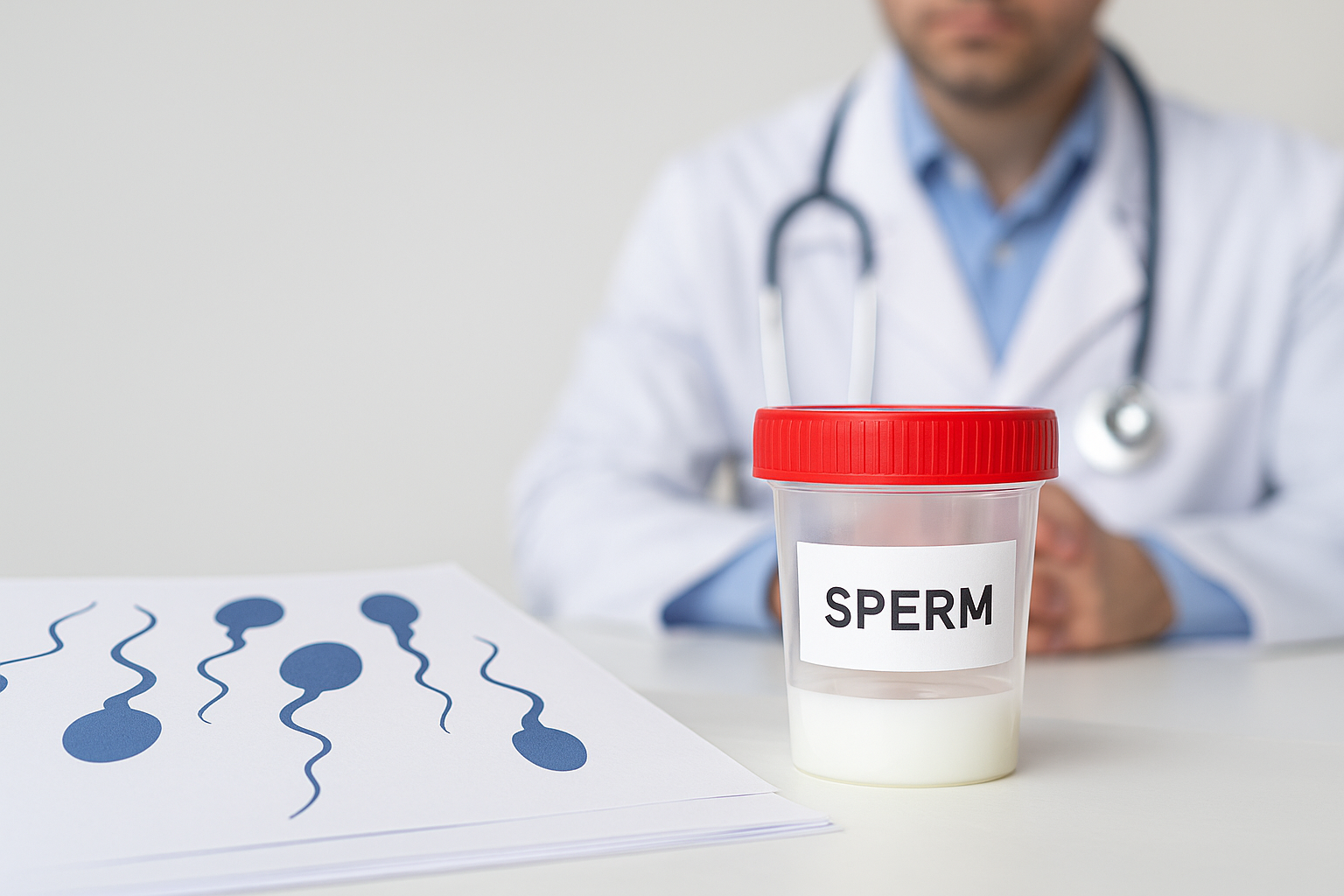
Understanding Sperm Donation Clinics
Sperm donation clinics play a crucial role in reproductive health and assist individuals and couples who face challenges with fertility. These clinics provide services to those in need, enabling them to realize their dreams of parenthood. This article dives deep into what sperm donation clinics are, the processes involved, and the considerations for donors and recipients alike.
What are Sperm Donation Clinics?
Sperm donation clinics are medical facilities that assist individuals and couples in achieving pregnancy through artificial means. These clinics collect, screen, and store sperm from donors for future use by recipients. They adhere to strict guidelines and operate under the aegis of national health policies to ensure safety and effectiveness.
Who Can Benefit from Sperm Donation?
A broad range of individuals and couples can benefit from sperm donation, including:
- Heterosexual couples experiencing male infertility issues.
- Same-sex female couples desiring to start a family.
- Single women wanting to conceive without a partner.
- Individuals with genetic risks wishing to avoid transmitting hereditary conditions.
The Sperm Donation Process
Donor Screening
The first step in sperm donation is donor screening. Potential donors undergo rigorous evaluations to ensure their sperm is healthy and free from genetic disorders or infectious diseases. This screening typically includes:
- Medical history review.
- Physical examination.
- Blood and urine tests for infectious diseases.
- Genetic testing for chromosomal abnormalities.
- Psychological assessment to ensure sound mental health.
Sperm Collection
Once a donor is approved, sperm collection occurs in a private setting at the clinic. Donors may be asked to abstain from ejaculation for several days before collecting sperm to ensure high sperm count and quality.
Sperm Storage and Handling
After collection, sperm is analyzed, frozen, and stored in liquid nitrogen tanks until selected for use. The freezing process, known as cryopreservation, maintains sperm viability for years, allowing future use when recipients are ready.
Recipient Considerations
Choosing a Sperm Donor
Recipients can select from a range of donor profiles provided by the clinic, which include information about the donor's background, physical characteristics, education, and sometimes personality traits. The choice may depend on personal preferences or the desire for specific traits.
Artificial Insemination
Once a suitable donor is chosen, the sperm is used for artificial insemination, commonly through intrauterine insemination (IUI) or in vitro fertilization (IVF). The method depends on the recipient’s health, age, and fertility considerations.
Legal and Ethical Considerations
Participation in sperm donation involves legal and ethical considerations, including:
- Ensuring anonymity or identifying the donor, as per mutual agreement.
- Understanding the rights of the donor, parents, and child regarding future contact.
- Legal agreements on parental rights and responsibilities.
Current Trends and Statistics in 2026
In recent years, there has been increased awareness and evolving technologies in reproductive medicine, leading to higher success rates in treatments involving sperm donation:
- According to a 2026 report by the Fertility Network [Source: Fertility Network Report 2026], success rates for IUI using donor sperm have increased by 15% over the past five years.
- Data from the Global Fertility Services Review [Source: Global Fertility Services Review 2026] indicates a 20% rise in single women opting for sperm donation to achieve motherhood independently.
Emotional Support and Counseling
Emotional support is a critical aspect during the reproductive assistance journey. Clinics often provide counseling services to address the emotional and psychological aspects of sperm donation for both donors and recipients. Engaging with support groups can provide community and shared experiences, aiding in coping and decision-making processes.
The Future of Sperm Donation Clinics
The future of sperm donation clinics looks promising with continuous enhancements in medical technologies and a growing societal recognition of diverse family structures. Innovation in genetic screening and fertility treatments is expected to further increase accessibility and success rates for prospective parents worldwide.
Reproductive health is an essential facet of individuals' well-being, and as society progresses, sperm donation continues to prove an invaluable component, offering hope and new beginnings to many. For both donors and recipients, understanding the intricacies involved and staying informed ensures a more rewarding and fulfilling experience.
https://www.cryobank.com/services/become-a-sperm-donor/
https://www.seattlespermdonor.com/
https://www.thespermbankofca.org/donors/