Understanding the Importance of Pneumonia Vaccines for Seniors
It’s a critical question many adults ask: is a pneumonia shot really necessary after a certain age? With pneumonia posing a significant health risk to seniors, understanding your options is more important than ever.
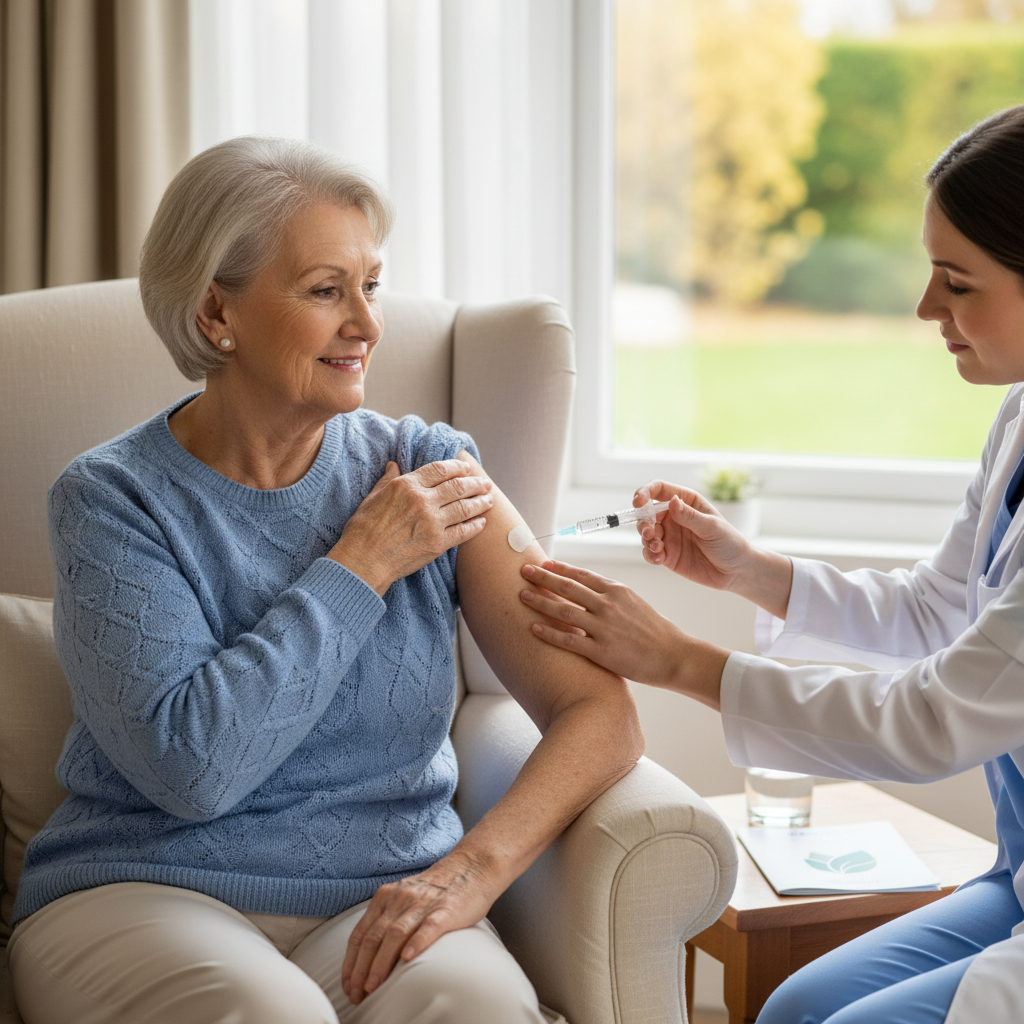
Do Seniors Really Need A Pneumonia Shot? A Comprehensive Guide
As we age, our bodies undergo numerous changes, and one of the most significant is the natural weakening of the immune system. This process, known as immunosenescence, makes older adults more vulnerable to infections that they might have easily fought off in their younger years. Among the most serious of these is pneumonia, a severe lung infection that can lead to hospitalization and life-threatening complications. This reality makes the question of vaccination not just a suggestion, but a critical health consideration for anyone over the age of 65.
For seniors, the risk isn't just about catching pneumonia; it's about the severity of the illness. An older adult with pneumonia is more likely to experience complications such as bacteremia (a bloodstream infection), respiratory failure requiring a ventilator, or sepsis, a body-wide inflammatory response that can cause organ failure. Furthermore, many seniors live with chronic health conditions like heart disease, chronic obstructive pulmonary disease (COPD), diabetes, or kidney disease. These conditions further compromise the body's ability to fight infection, turning a case of pneumonia into a much more dangerous event. The pneumonia shot is designed specifically to protect against the most common bacterial cause of this illness, providing a powerful layer of defense for a vulnerable population.
Why Pneumonia is a Serious Concern for Seniors
Pneumonia is an infection that inflames the air sacs (alveoli) in one or both lungs. When these sacs fill with fluid or pus, it can make breathing difficult and lead to coughing, fever, chills, and fatigue. While anyone can get pneumonia, it poses a particularly grave threat to seniors for several key reasons.
The primary factor is the age-related decline in immune function. A senior's immune system doesn't respond as quickly or as robustly to new threats. This means that when exposed to pneumonia-causing germs, their body has a harder time identifying and eliminating the invader before it can establish a serious infection in the lungs. This delayed response allows the infection to become more severe, increasing the likelihood of dangerous complications.
Another major concern is the presence of underlying health conditions. An estimated 85% of older adults have at least one chronic health condition, and 60% have at least two. Conditions like asthma, COPD, and heart disease weaken the respiratory and cardiovascular systems, making the body less resilient to the strain of a lung infection. For example, a person with congestive heart failure already has fluid buildup issues, and pneumonia can exacerbate this to a life-threatening degree. Similarly, diabetes can impair immune cell function, making it harder to clear the infection. Because of these overlapping risks, seniors are far more likely to require hospitalization for pneumonia, and their recovery period is often much longer and more complicated.
The Primary Pneumonia Vaccines for Older Adults
To combat this threat, healthcare providers rely on highly effective pneumococcal vaccines. These shots don't protect against all types of pneumonia (such as viral pneumonia) but are specifically designed to defend against infections caused by the bacterium Streptococcus pneumoniae, a leading cause of bacterial pneumonia, meningitis, and bloodstream infections. The Centers for Disease Control and Prevention (CDC) recommends two main types of vaccines for adults 65 and older.
Pneumococcal Conjugate Vaccines (PCV15 and PCV20)
Conjugate vaccines are considered highly advanced because they trigger a stronger, more robust, and longer-lasting immune response compared to older types of vaccines. They work by linking a piece of the bacteria's sugar coating (polysaccharide) to a protein carrier. This combination helps the immune system, particularly in older adults, to better recognize the threat and build a powerful memory defense against it.
The two main conjugate vaccines available are PCV15 (Vaxneuvance), which protects against 15 strains of pneumococcal bacteria, and PCV20 (Prevnar 20), which protects against 20 strains. For many seniors, especially those who have not previously received a pneumonia shot, the CDC often recommends a single dose of PCV20. This "one-and-done" approach is convenient and provides broad protection against the most common and invasive strains of the bacteria. If an individual receives PCV15 instead, a follow-up dose of a different type of vaccine (PPSV23) is typically recommended a year later to broaden the coverage.
Pneumococcal Polysaccharide Vaccine (PPSV23)
The pneumococcal polysaccharide vaccine, known as PPSV23 (Pneumovax 23), has been in use for decades and protects against 23 different strains of pneumococcal bacteria. Unlike conjugate vaccines, this one is made only from the sugar coating of the bacteria. While it provides good protection, the immune response it generates is not always as strong or as long-lasting, especially in those with weakened immune systems.
Today, PPSV23 is most often used as part of a two-step vaccination series for some adults. For instance, if a senior receives the PCV15 shot, their doctor will likely recommend they return in about a year for a dose of PPSV23 to ensure the widest possible protection. It is also sometimes recommended for younger adults with specific high-risk health conditions. Due to the superior immune response from conjugate vaccines, the CDC's latest recommendations prioritize PCV15 or PCV20 as the initial shot for seniors who have never been vaccinated against pneumonia.
Understanding Pneumococcal Disease
While we often refer to it as the "pneumonia shot," the vaccine actually protects against a range of illnesses caused by the Streptococcus pneumoniae bacterium, collectively known as pneumococcal disease. Understanding the scope of this threat helps clarify why vaccination is so crucial. Pneumonia is the most common serious form of pneumococcal disease, but the bacteria can cause invasive, and often more deadly, infections when it enters parts of the body that are normally sterile, like the blood or spinal fluid.
For example, bacteremia is an infection of the bloodstream. If pneumococcal bacteria enter the blood, they can spread rapidly throughout the body, leading to a dangerous condition called sepsis. Sepsis is a medical emergency that can cause a rapid drop in blood pressure, organ damage, and death. Another severe form is meningitis, an infection of the protective membranes covering the brain and spinal cord. Pneumococcal meningitis can result in permanent brain damage, hearing loss, or death. The pneumonia vaccine helps prevent the bacteria from taking hold in the first place, thereby protecting against these devastating invasive diseases, not just the lung infection.
The bacteria that cause these diseases spread through person-to-person contact via respiratory droplets from coughing, sneezing, or close conversation. This makes it easily transmissible, especially in community settings. By getting vaccinated, seniors not only protect themselves but also help reduce the spread of the bacteria to other vulnerable individuals around them.
Common Questions About the Pneumonia Shot
Deciding to get vaccinated often comes with practical questions. Understanding the side effects, schedule, and cost can help you make an informed decision with your healthcare provider.
What Are the Common Side Effects of the Pneumonia Vaccine?
Like most vaccines, the pneumonia shot can cause some mild and temporary side effects. These are actually positive signs that your immune system is learning to recognize and fight the bacteria. The most common reactions occur at the injection site and may include pain, redness, or swelling. Some people also experience systemic effects throughout their body for a day or two after the shot.
These can include mild muscle aches, fatigue, headache, or a low-grade fever. These side effects are almost always mild and resolve on their own without any treatment. It's helpful to plan for a day of rest after your vaccination if you are concerned. Serious side effects, such as a severe allergic reaction, are extremely rare. If you experience difficulty breathing, hives, swelling of the face or throat, or a very high fever after vaccination, you should seek medical attention immediately.
How Often Do Seniors Need to Get the Pneumonia Shot?
The vaccination schedule for pneumonia has been simplified in recent years, which is great news for seniors. For most adults aged 65 or older who have never received a pneumococcal vaccine, the current recommendation is straightforward: a single lifetime dose of PCV20 (Prevnar 20). This one shot provides comprehensive and long-lasting protection without the need for boosters.
Alternatively, an adult in this age group can opt for one dose of PCV15 (Vaxneuvance) followed by a dose of PPSV23 (Pneumovax 23) at least one year later. If you have already received a pneumonia shot in the past (such as only PPSV23), the recommendations may be different. Because individual health histories and previous vaccinations vary, it is essential to speak with your doctor. They can review your records and determine the best plan to ensure you are fully protected based on the latest CDC guidelines.
Does Medicare Cover the Pneumonia Shot?
Yes, absolutely. For seniors in the United States, cost should not be a barrier to getting this crucial protection. The pneumococcal vaccine is covered under Medicare Part B as a preventive service. This means that if you have Medicare Part B, you are entitled to the pneumonia shot at no cost to you.
Medicare covers 100% of the allowable charge for the vaccine and its administration, so there is no copayment or coinsurance, and you do not have to meet your annual deductible first. This coverage applies as long as you receive the shot from a doctor or other healthcare provider who accepts Medicare assignment. This makes the pneumonia shot one of the most accessible and important preventive health measures available to seniors.
The Final Takeaway
The evidence is overwhelmingly clear: the pneumonia shot is a vital tool for healthy aging. For seniors, the risk of developing severe, life-altering complications from pneumococcal disease is significant. The weakening of the immune system combined with the higher prevalence of chronic health conditions creates a perfect storm where a common bacterial infection can become a medical crisis.
The available vaccines—PCV20, PCV15, and PPSV23—are safe, effective, and specifically designed to trigger a strong protective response against the bacteria that cause the most harm. Given that the vaccination is readily available and fully covered by Medicare Part B, the decision to get vaccinated is one of the most powerful steps a senior can take to safeguard their health and maintain their independence. The best course of action is to have a conversation with a trusted healthcare provider to discuss your vaccination history and determine the right schedule for you.