Understanding the Journey of Myeloma Development: Insights from Medical Experts
Discover how myeloma typically develops with insights straight from medical experts. Learn the stages of progression that characterize this complex disease and explore the factors that may contribute to its onset.
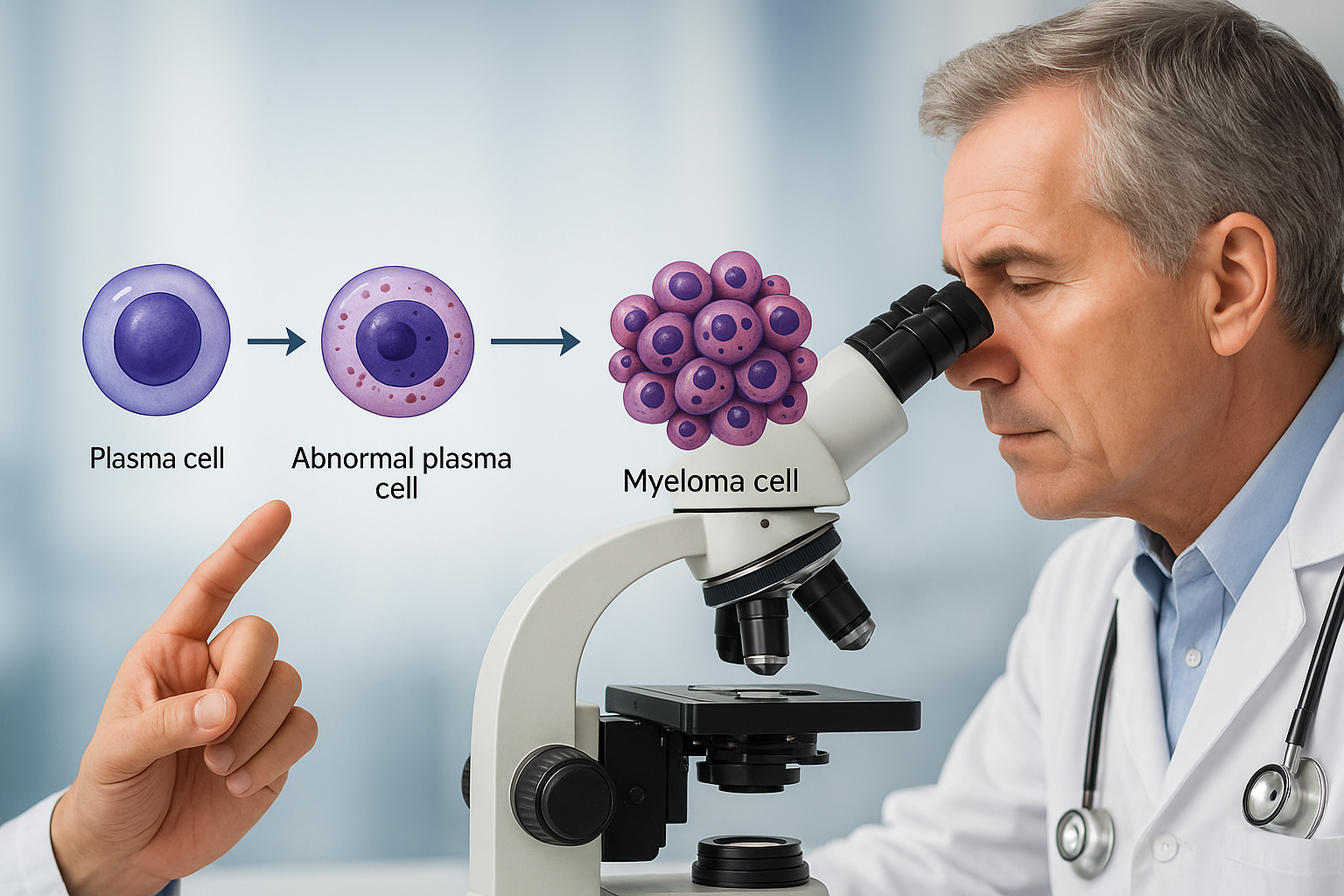
Understanding How Myeloma Typically Develops According to Experts
Multiple myeloma, often just referred to as myeloma, is a type of cancer that begins in the plasma cells, a type of white blood cell found in bone marrow. This article explores how myeloma develops, the risk factors involved, and the various symptoms and treatments available. By understanding these elements, we gain a better insight into this complex disease.
What Is Myeloma?
Myeloma is a cancer that affects plasma cells, a form of white blood cell responsible for producing antibodies to fight infections. In multiple myeloma, malignant plasma cells accumulate in the bone marrow, overpowering normal cells and leading to complications. The result is anemia, bone lesions, kidney dysfunction, and increased susceptibility to infections.
Development of Myeloma: Step-by-Step Process
To understand how myeloma typically develops, experts have identified a series of stages that mark the evolution from normal plasma cells to malignant myeloma cells:
- Monoclonal Gammopathy of Undetermined Significance (MGUS): Most patients with multiple myeloma start with MGUS, an asymptomatic condition characterized by abnormal levels of monoclonal protein in the blood.
- Smites and Early-Stage Myeloma: Some individuals with MGUS progress to smoldering myeloma, a precancerous stage with higher levels of abnormal antibodies but still without symptoms. Only around 1% of these patients progress to active myeloma annually.
- Active Myeloma: At this stage, patients exhibit symptomatic disease with signs like bone pain, anemia, kidney problems, or hypercalcemia. Regular monitoring is essential to detect transition and manage the condition promptly.
Risk Factors for Developing Myeloma
Several factors can increase the likelihood of developing multiple myeloma. These include:
- Age: Myeloma is more commonly diagnosed in individuals over 60, with the median age being 65.
- Gender: Males have a slightly higher risk than females.
- Race: African Americans are about twice as likely to develop myeloma compared to Caucasians.
- Family History: A hereditary link can influence susceptibility.
- Exposure to Radiation or Chemicals: Long-term exposure to certain chemicals or radiation may heighten risk.
Symptoms of Multiple Myeloma
Recognizing the symptoms of myeloma is crucial for early detection and treatment. Common symptoms include:
- Bone Pain: Frequently occurring in the back or ribs as the malignant cells proliferate in the bone marrow.
- Frequent Infections: Due to weakened immunity as a result of dysfunctional plasma cells.
- Anemia: Myeloma cells crowd out normal blood cells, leading to fatigue and paleness.
- Renal Impairment: Caused by excess protein deposition in renal tubules, requiring monitoring and intervention.
Treatment Options for Myeloma
While myeloma is currently incurable, several treatment options can help manage the disease and improve quality of life. Treatment regimens vary based on the stage and specific patient factors:
- Chemotherapy and Steroids: Often utilized to target and destroy myeloma cells, these treatments form the backbone of most therapeutic strategies.
- Immunotherapy: Newer agents, such as monoclonal antibodies, enhance the immune response against myeloma cells.
- Targeted Therapy: Drugs like Bortezomib and Carfilzomib interfere with the molecular pathways specific to myeloma cell growth.
- Stem Cell Transplantation: Suitable for those under 65 with good health statuses, autologous stem cell transplants offer potential for extended remission periods.
Research and Developments in Myeloma Treatment
Recent years have seen substantial advancements in myeloma research, contributing to better treatment outcomes. For instance, novel agents such as BCMA-targeted therapies are showing promise in clinical trials. The development of combination therapy approaches has also led to enhanced durability of responses, even in relapsed/refractory myeloma cases.
For updated guidelines and clinical trials, resources such as the National Cancer Institute and International Myeloma Foundation offer valuable information.
Conclusion
Navigating a diagnosis of myeloma can be challenging, but understanding how the disease develops, knowing the risk factors and symptoms, and being aware of treatment options can empower patients and their families. With continuous research and improving therapies, there is hope for better management and improved outcomes for those living with multiple myeloma.
Reference
https://my.clevelandclinic.org/health/articles/6178-multiple-myeloma