Understanding the Key Home and Auto Insurance Changes Coming in 2026
Discover the latest shifts in home and auto insurance starting in 2026! This exciting update reveals potential changes that could impact your coverage and premiums. Stay informed about the evolving landscape of insurance to make wiser decisions.
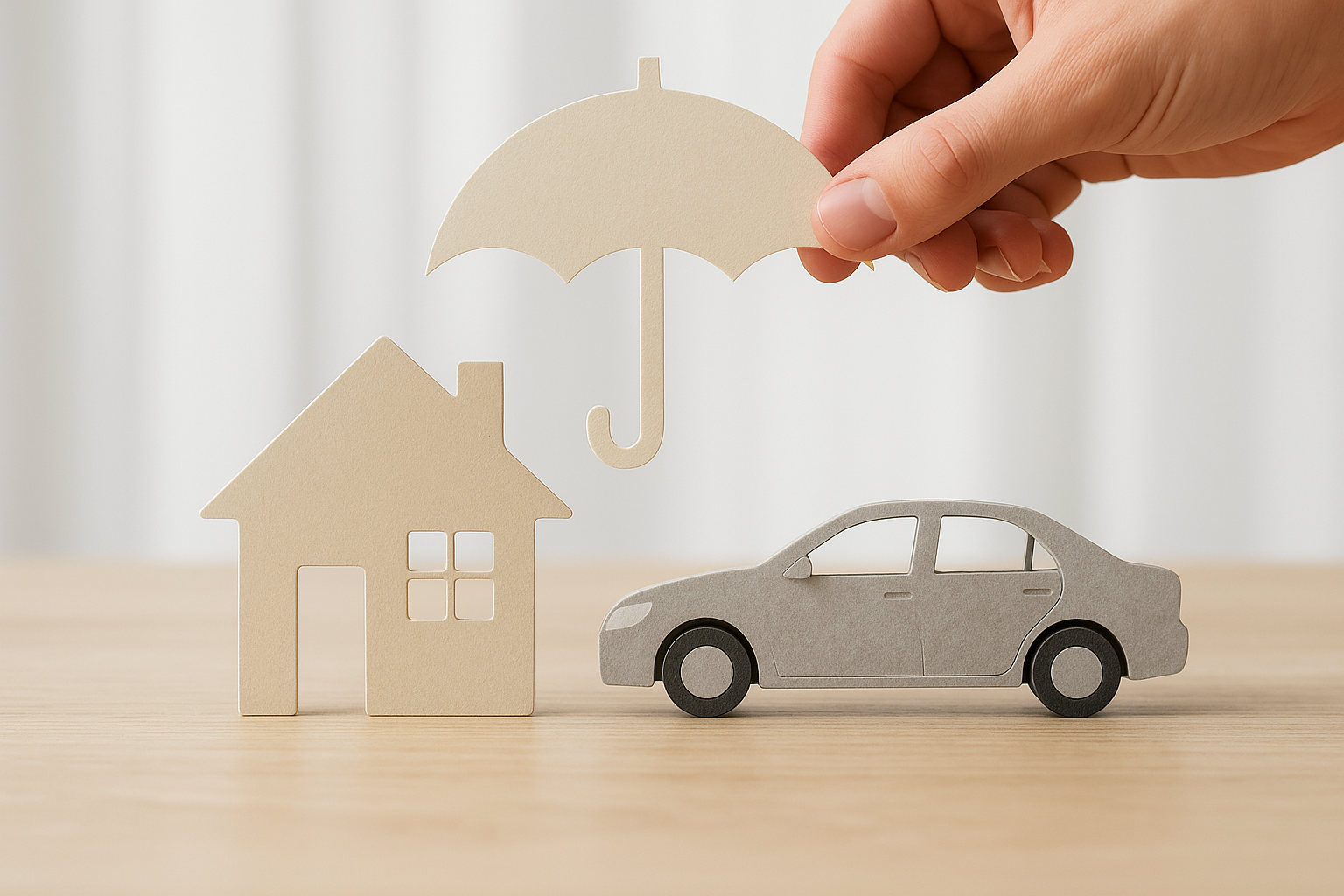
Understanding the New Home and Auto Insurance Changes in 2026
The landscape of home and auto insurance is ever-evolving, and 2026 has brought with it some significant changes that could impact policyholders across the United States. As a consumer, it's crucial to stay informed about these changes to make sure you are getting the best coverage for your needs. In this article, we'll delve into these new changes and what they mean for you.
What's New in Home Insurance?
With climate change increasingly impacting weather patterns, home insurers are adjusting their strategies to mitigate risk. Here are some of the key changes in home insurance this year:
- Increased Premiums for High-Risk Areas: In regions more susceptible to natural disasters like hurricanes, wildfires, or floods, homeowners can expect higher insurance premiums. New data-driven risk assessment models have been adopted, leading to these adjustments in pricing. According to Insurance Information Institute, premiums in high-risk areas have increased by an average of 15% in 2026.
- Parametric Insurance Options: Insurers are now offering parametric insurance, which pays a set amount to the policyholder after a triggering event, such as a hurricane of a certain magnitude. This model provides quicker payouts as it does not require the typical claims procedure.
- Green Home Discounts: To encourage environmentally friendly practices, insurers are offering discounts for homes with sustainable features, such as solar panels and energy-efficient appliances.
Auto Insurance Innovations in 2026
Changes in auto insurance are equally transformative, reflecting advancements in vehicle technology and consumer behavior. Here’s a look at the significant developments:
- Telematics-Based Policies: The use of telematics—devices that monitor driving behavior—is expanding. Insurers are increasingly offering usage-based insurance (UBI), which calculates premiums based on driving habits such as speed, braking patterns, and mileage. A 2026 study by McKinsey & Company suggests that UBI could save drivers up to 30% on premiums if they maintain good driving habits.
- Coverage for Autonomous Vehicles: With autonomous vehicles becoming more prevalent, insurance policies now include specialized coverage options for self-driving cars. Insurers are differentiating between the fault of the machine and the driver, adapting liability coverage accordingly.
- Climate Resilience Programs: Like home insurance, auto insurers are also considering weather-related risks. Policies now offer add-ons for climate resilience measures, such as flood protection for vehicles.
Why are These Changes Happening?
The changes in home and auto insurance are primarily driven by technological advancements, increased environmental risks, and consumer demand for more personalized insurance solutions. Here are some underlying reasons:
- Technological Advancements: With the rise of smart home technology and connected cars, insurers have access to more robust data, enabling them to offer more tailored and accurate pricing.
- Climate Change: As mentioned, the increasing frequency and severity of natural disasters force insurers to reassess their risk models to remain solvent and provide reliable coverage.
- Shifting Consumer Expectations: Consumers today are more informed and demand greater value and customization from their insurance policies, prompting insurers to innovate their offerings.
How to Navigate These Changes
As these transformations continue to shape the industry, there are steps you can take to navigate your insurance decisions effectively:
- Review Your Policy Annually: Regular reviews of your insurance policies help ensure that your coverage meets your current needs and that you are not overpaying.
- Take Advantage of Discounts: Ask your insurer about any available discounts, such as those for safety features in your home or vehicle, or for bundling multiple policies.
- Stay Informed: Keeping abreast of the latest industry trends and changes can empower you to make informed choices about your insurance needs.
- Consult an Insurance Broker: An insurance professional can provide valuable advice tailored to your individual circumstances and help you find the best policy at a competitive rate.
Conclusion: Embracing a Dynamic Insurance Landscape
While the changes to home and auto insurance in 2026 pose challenges, they also offer opportunities for consumers to benefit from more personalized, transparent, and efficient coverage. By understanding these developments and adapting accordingly, you can ensure that you are protected, no matter what the future holds.
For further reading, consider these resources:
- Insurance Information Institute - Offers insights into insurance industry trends.
- McKinsey & Company - Provides research on financial services and insurance.
- Climate Central - Analyzes climate change data relevant to the insurance sector.
- resources/car-insurance/insurance-law-changes/
auto-insurance-trends-and-emerging-risks