Understanding the Lending Requirements for HELOC Approval in the USA
Navigating the lending requirements for HELOC approval in the USA can be complex yet rewarding. Prospective borrowers must understand essential criteria such as credit scores, home equity, and income levels to enhance their approval chances.
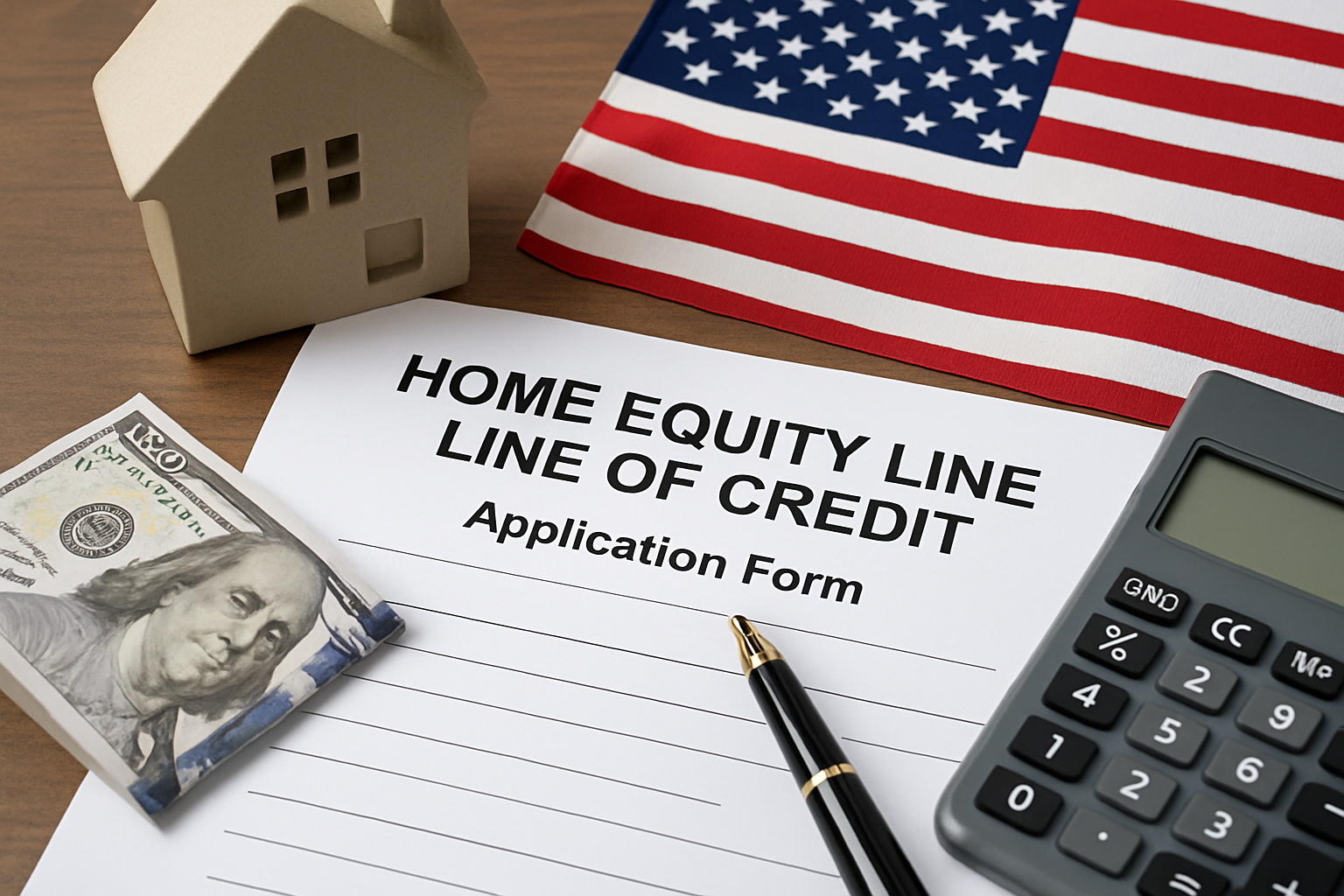
Understanding the Basics of HELOC
A Home Equity Line of Credit (HELOC) is a financial product that allows homeowners to borrow against the equity in their home. This type of loan provides flexibility in borrowing and repaying, much like a credit card but with a potentially lower interest rate and higher borrowing limit. Borrowers can draw from the HELOC as needed, up to the approved limit, and pay interest only on the amount borrowed. Given these benefits, understanding the lending requirements is crucial for potential borrowers in the USA.
Lending Requirements for HELOC Approval
The approval for a HELOC depends on several factors. Lenders assess these requirements thoroughly to gauge the borrower's ability to repay the borrowed amount. Understanding these requirements can help potential applicants better prepare their applications.
Credit Score
The credit score is a critical factor in HELOC approval. Generally, lenders look for a minimum credit score of 620 to 680. A higher credit score may result in better terms or quicker approval. According to Experian's 2026 report, borrowers with a score above 700 are more likely to secure a HELOC with favorable rates.
Income and Employment
Proof of consistent income and stable employment is another vital requirement. Lenders scrutinize this to ensure that borrowers can handle additional financial responsibilities. Pay stubs, tax returns, and letters from employers are commonly required documents. In 2026, many lenders have also adapted to include gig economy earnings, increased by 20% since 2024, expanding opportunities for freelancers and contractors.
Home Equity
The amount of equity in your home significantly affects the HELOC approval process. Most lenders require at least 15-20% equity in the home after accounting for the HELOC. For instance, if your home is valued at $400,000, you should ideally have $60,000 to $80,000 in equity after the loan amount is considered.
Debt-to-Income Ratio
This ratio is crucial in determining a borrower’s ability to manage payments. Generally, a debt-to-income (DTI) ratio below 43% is considered acceptable by most lenders. However, some lenders might allow flexibility for up to 50% DTI if the borrower has an excellent credit history. As of 2026, with more Americans facing increased living costs, some lenders are revisiting these thresholds to accommodate broader borrowing needs.
The HELOC Application Process
Applying for a HELOC involves several steps that require attention to detail. Here is a step-by-step guide to help prospective applicants understand the process better.
Step 1: Research and Comparison
Start by researching different lenders. Compare interest rates, terms, fees, and customer feedback. Websites like Bankrate provide updated information for this comparison. Tools available online can also show real-time interest rates reflecting market trends as of 2026.
Step 2: Documentation Preparation
Gather all necessary documents: identification, proof of income, mortgage documents, and property tax statements. Organized documentation can expedite the approval process.
Step 3: Application Submission
Submit your application online or in person at a bank or credit union branch. It might include a credit check, a formal evaluation of income, and an appraisal of your property.
Step 4: Underwriting and Approval
The underwriting team reviews all documents and assesses financial risks. Upon approval, you will receive a letter detailing terms like interest rate, credit limit, and repayment schedule.
Step 5: Draw Period and Repayment
Once approved, a draw period usually lasts 5-10 years. During this time, you can borrow funds, making minimum interest payments. After the draw period, the repayment phase begins, often spanning 10-20 years, where you repay both principal and interest.
Usage of a HELOC
HELOCs offer flexibility and can serve multiple financial needs:
- Home Improvements: Many use HELOCs for renovating or upgrading their homes, which can increase property value.
- Education Expenses: Paying for higher education costs, especially with rising tuition fees, can be managed using a HELOC.
- Debt Consolidation: Using a HELOC to pay off high-interest debts like credit card balances can save significant amounts on interest payments.
However, it's essential to use HELOCs responsibly, considering the property is used as collateral.
Conclusion
Understanding the lending requirements for HELOC approval is crucial for any homeowner looking to leverage their home equity. By preparing thoroughly and paying attention to market trends, potential borrowers can navigate the application process successfully. Always weigh the risks and benefits, ensuring that decisions align with your financial goals. For further information, you can refer to resources such as Investopedia for in-depth financial insights and guidance.