Understanding the Lifespan of Your Septic Tank: How Long Can You Expect It to Last?
Wondering how long your septic tank is supposed to last? While the typical range is 15 to 40 years, the exact lifespan of your system isn't a single number—it depends on a few key factors.
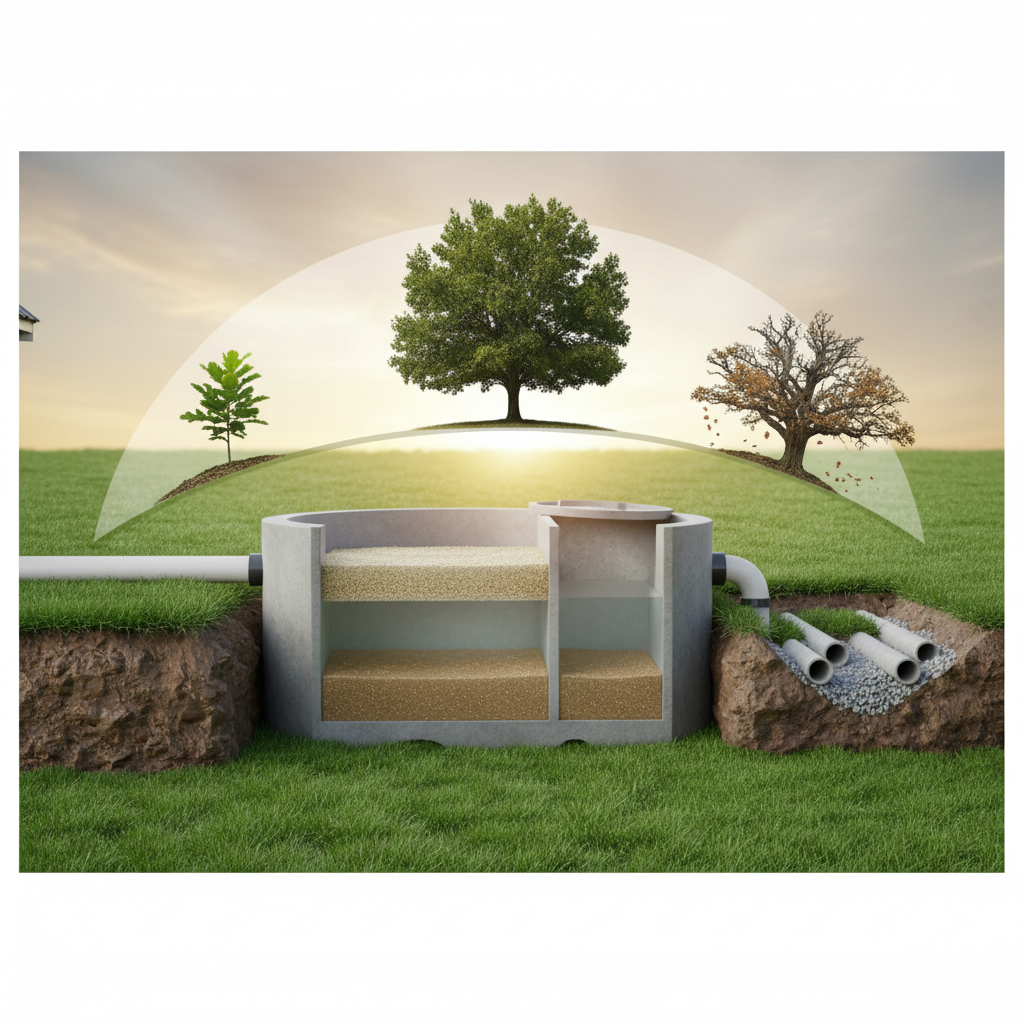
How Many Years Does A Septic Tank Last? A Comprehensive Guide
For homeowners living outside of municipal sewer service areas, the septic system is one of the most vital components of their property. It's a self-contained, underground wastewater treatment system that handles everything that goes down the drain. A common and crucial question for any current or prospective owner of a home with a septic system is: "How long will this thing last?" The answer isn't a single number; it depends heavily on the tank's material, how well it's maintained, soil conditions, and household usage patterns.
Understanding the potential lifespan of your septic tank is key to budgeting for future maintenance and eventual replacement. A well-cared-for system can provide decades of reliable service, while a neglected one can lead to premature failure, costly repairs, and significant environmental hazards. This guide will break down the expected lifespan of different types of septic tanks and explore the factors that can extend or shorten their service life.
Lifespan by Septic Tank Material
The material your septic tank is made from is the single biggest predictor of its longevity. Over the years, several different materials have been used, each with its own set of strengths and weaknesses that directly impact how long it can be expected to function properly.
Concrete Septic Tanks
Concrete is the most common and historically popular material for septic tanks, and for good reason. When properly constructed and installed in neutral, non-corrosive soil, a concrete septic tank can easily last for 40 years or more. Many have been known to function well beyond 50 years with diligent care. Their durability and sheer weight make them resistant to shifting in the soil or damage from pressure.
However, concrete tanks are not indestructible. Over time, the hydrogen sulfide gas produced by wastewater bacteria can corrode the concrete above the waterline, leading to a breakdown of the material. Cracks can develop due to soil shifting or improper installation, allowing groundwater to leak in or wastewater to leak out. The baffles, which direct the flow of wastewater within the tank, can also deteriorate and break off, compromising the system's effectiveness. Regular inspections are crucial to catch these issues before they cause a major failure.
Steel Septic Tanks
Steel septic tanks had a period of popularity several decades ago but are rarely installed today. Their primary drawback is their susceptibility to rust and corrosion. An average steel septic tank has a much shorter lifespan, typically lasting only 15 to 25 years. The acidic nature of the surrounding soil and the constant moisture inside the tank create a perfect environment for corrosion to take hold.
Once rust begins, it can quickly lead to structural weaknesses, holes, and collapses. The lid of a steel tank is often the first part to rust through, creating a significant safety hazard. If you own a home with a steel septic tank, it's essential to have it inspected regularly for signs of corrosion. Due to their limited lifespan and potential for sudden failure, many homeowners choose to proactively replace steel tanks rather than wait for a problem to arise.
Fiberglass (Plastic/Polyethylene) Septic Tanks
Modern septic systems often utilize tanks made from fiberglass or high-density polyethylene (plastic). These materials offer a significant advantage over steel and even concrete in some respects: they are completely resistant to rust and corrosion. This immunity to chemical breakdown gives them a very long expected lifespan, often around 30 to 40 years, and potentially longer.
The main vulnerability of plastic and fiberglass tanks is not chemical but physical. They are much lighter than concrete tanks, which makes them easier and cheaper to transport and install. However, this lack of weight can make them susceptible to damage during installation if not handled carefully. They can also be damaged by heavy vehicle traffic driving over them and may be at risk of "floating" or shifting in areas with a high water table if not installed correctly with proper anchoring.
Aerobic Treatment Units (ATUs)
Aerobic Treatment Units are more complex systems that introduce oxygen into the treatment process, essentially creating a small-scale wastewater treatment plant. The tank itself, often made of concrete or fiberglass, has a lifespan similar to its conventional counterparts (30+ years). However, the system's longevity is tied to its mechanical components.
ATUs rely on pumps, aerators, and electrical timers that have a much shorter lifespan than the tank itself. These components typically need repair or replacement every 5 to 10 years. Therefore, while the tank structure is durable, an ATU requires more frequent and costly maintenance to keep it functioning. The overall "lifespan" of the system is dependent on the ongoing replacement of these critical working parts.
Why Regular Maintenance is the Key to Longevity
Regardless of the material your septic tank is made from, its lifespan is directly tied to a consistent maintenance schedule. A septic system is a delicate biological ecosystem, and neglecting it is the surest way to cause premature failure. The core purpose of the tank is to separate solid waste from liquid effluent. Solids sink to the bottom (sludge) while lighter materials like grease float to the top (scum). The liquid effluent then flows out to the drain field for final treatment in the soil.
The most critical maintenance task is regular pumping. Over time, the sludge layer builds up. If it's not removed, it can accumulate to the point where it flows out of the tank and into the drain field pipes. This solid waste will clog the perforations in the pipes and seal off the surrounding soil, preventing the effluent from being absorbed. This is the leading cause of catastrophic drain field failure, which is far more expensive to repair than the tank itself. Most systems should be pumped every 3 to 5 years, depending on household size and water usage.
Equally important is being mindful of what goes down your drains. Harsh chemicals, bleach, antibacterial soaps, and drain cleaners can kill the beneficial bacteria in the tank that are responsible for breaking down solid waste. Non-biodegradable items like wet wipes, feminine hygiene products, and paper towels should never be flushed. Excessive grease and food waste from a garbage disposal can also overload the system and accelerate the buildup of the scum and sludge layers.
Common Questions About Septic Tank Lifespan and Failure
Even with proper care, homeowners often have follow-up questions about what to expect from their septic system as it ages. Understanding the warning signs and realities of your system can help you plan for the future.
What are the warning signs of a failing septic tank?
A septic system will almost always give you warning signs before it fails completely. Being able to recognize these signs is crucial for catching a problem early. One of the first indicators is often inside the house: slow drains in your sinks and showers, or toilets that gurgle when you flush them. This can indicate that the system is full or that a blockage is forming.
Outside, the signs are often more obvious. You may notice foul odors, similar to rotten eggs, near the septic tank or drain field. The ground over the drain field might become unusually green and lush, even during dry weather, because it's being "fertilized" by untreated wastewater. The most serious sign is standing water or soggy, marshy ground in the yard. This indicates that the effluent is no longer being absorbed by the soil and is instead pooling on the surface, which is a significant health hazard.
Can a septic tank last 100 years?
The idea of a "century-old" septic tank is an appealing one, but it is extremely rare and should be considered the absolute exception, not the rule. Theoretically, a very thick, high-quality precast concrete tank installed in perfect, non-acidic, stable soil, serving a household that is meticulously careful about water usage and what goes down the drain, could potentially last for a very long time. In these ideal circumstances, a lifespan of 50 to 70 years is achievable.
However, reaching the 100-year mark is highly improbable. Over such a long period, countless factors work against the system. The concrete will inevitably degrade from gas corrosion, soil conditions can change, and tree roots can cause unseen damage. Even if the tank itself remains intact, the original baffles are likely to have disintegrated, and the drain field would almost certainly have failed and been replaced long before. It's safer to plan for a realistic lifespan based on your tank's material rather than hoping for a century of service.
Does the drain field last as long as the tank?
This is a critical point that many homeowners overlook. In most cases, the drain field (also known as a leach field) has a shorter lifespan than the septic tank itself. The drain field is the part of the system that does the heavy lifting of wastewater treatment, and its lifespan is typically 15 to 30 years. While a concrete tank can last 40 years or more, it is very common for the drain field to require a complete replacement during that time.
The drain field's longevity is impacted by several factors. Overloading the system with too much water can saturate the soil and prevent it from treating the effluent effectively. Solids escaping from an unpumped tank can clog the soil pores, creating a "biomat" that seals it off permanently. Soil compaction from vehicles driving over the area or changes in local water tables can also lead to premature failure. Protecting your drain field is just as important as maintaining your tank.
Final Thoughts on Your Septic System's Lifespan
A septic tank's lifespan is not a fixed number but a range that is heavily influenced by three key factors: the material it's made from, the quality of its installation, and, most importantly, the consistency of its maintenance. A concrete or fiberglass tank can realistically provide 30 to 40 years or more of service, while an older steel tank may be nearing the end of its life at 20 years. By understanding your specific system and committing to a regular schedule of pumping and mindful usage, you can maximize its lifespan and prevent the costly and unpleasant experience of a premature system failure.