Understanding the Long-Term Dangers of Untreated Aortic Stenosis
Aortic stenosis, if left untreated, can pose significant health risks over time. This article delves into the progressive nature of untreated aortic stenosis, explaining potential complications such as heart failure.
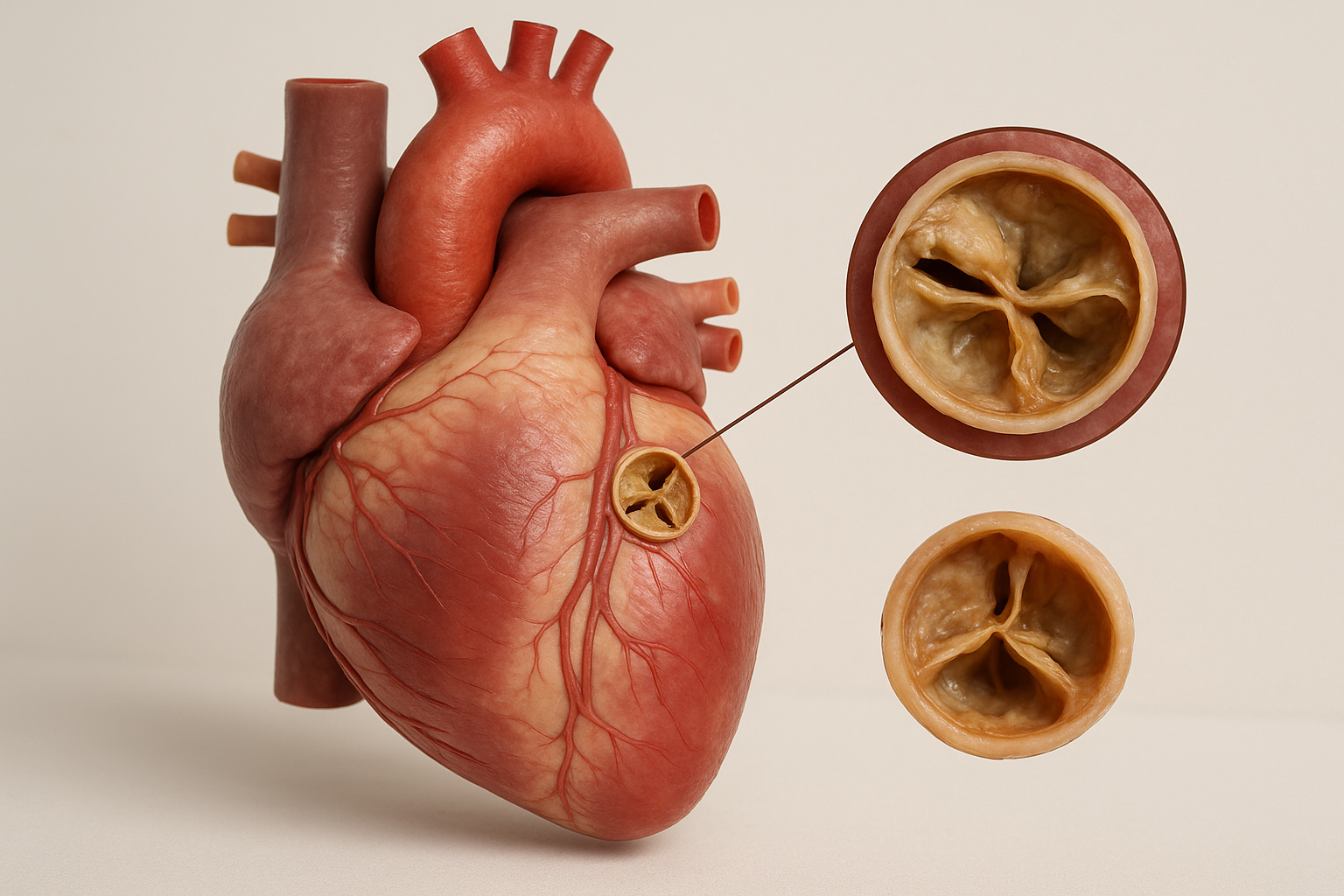
Understanding Aortic Stenosis
Aortic stenosis is a condition characterized by the narrowing of the aortic valve in the heart. This narrowing prevents the valve from opening fully, which can obstruct blood flow from the heart to the rest of the body. As a progressive and potentially life-threatening condition, it's crucial to understand the implications of leaving aortic stenosis untreated over time.
What Causes Aortic Stenosis?
Aortic stenosis is primarily caused by age-related calcification of the valve, congenital heart defects, or rheumatic fever. These factors result in the stiffening or scarring of the aortic valve, making it difficult for the heart to pump blood effectively. Understanding these causes helps in recognizing the risk factors and symptoms associated with the condition.
The Risks of Untreated Aortic Stenosis
When left untreated, aortic stenosis can lead to severe health complications that significantly affect a person's quality of life and longevity. Here are some major risks associated with untreated aortic stenosis:
Progressive Heart Failure
As the aortic valve's stenosis worsens, the heart must work harder to pump blood through the narrowed opening, which over time, can lead to heart failure. Symptoms of heart failure include fatigue, shortness of breath, and swelling in the limbs, significantly impairing daily activities and overall health.
Increased Risk of Sudden Cardiac Death
According to recent data from the American Heart Association, untreated severe aortic stenosis is linked to a heightened risk of sudden cardiac death, especially in symptomatic individuals. The strain on the heart can lead to dangerous arrhythmias or a total heart stoppage.
Potential for Stroke
The turbulent blood flow through a stenotic aortic valve can cause small blood clots to form, which may travel to the brain and cause a stroke. This risk is significant in people who also have atrial fibrillation, a common heart rhythm disorder associated with aortic stenosis.
Reduced Quality of Life
The physical limitations imposed by aortic stenosis symptoms often lead to a reduced quality of life. Patients may experience severe chest pain, breathlessness, dizziness, or fainting spells, which can limit their ability to engage in regular physical activities, impacting mental health and increasing dependency on others.
Identifying the Symptoms of Aortic Stenosis
Recognizing symptoms early can enable timely intervention, thus preventing the complications associated with untreated aortic stenosis. Here are commonly reported symptoms:
- Exertional breathlessness
- Chest pain or tightness, especially during physical activity
- Syncope (fainting or lightheadedness)
- Palpitations or an irregular heart rate
- Rapid fatigue
Who is At Risk?
Aortic stenosis predominantly affects older adults due to calcific valve changes. Other risk factors include:
- A congenital heart defect like a bicuspid aortic valve
- Histories of rheumatic fever
- High blood pressure or cholesterol levels
- Smoking or a family history of heart disease
Diagnosis and Treatment Options
The timely diagnosis and management of aortic stenosis are crucial to mitigating its risks. Regular physical examinations and echocardiograms form the cornerstone of diagnosing aortic stenosis. Once diagnosed, treatment options include:
Watchful Waiting
For patients with mild or asymptomatic aortic stenosis, regular monitoring by a healthcare professional is recommended to track disease progression.
Medications
While medications do not cure aortic stenosis, they can help manage symptoms and prevent complications associated with heart failure.
Surgical & Minimally Invasive Procedures
In advanced cases, individuals may require aortic valve replacement surgery. Options include open-heart surgery or transcatheter aortic valve replacement (TAVR), which is less invasive and often preferable for high-risk surgical patients.
Preventing Complications
Early Detection and Regular Check-ups: Regular check-ups and echocardiograms play a vital role in early detection and timely intervention, reducing the risk of severe outcomes.
Lifestyle Modifications: Embracing a heart-healthy lifestyle can potentially slow the progression of aortic stenosis. Recommendations include a balanced diet, regular exercise adapted to your health status, smoking cessation, and controlling hypertension and cholesterol levels.
In conclusion, untreated aortic stenosis poses significant health risks, which underscores the importance of awareness, regular screening, and timely medical intervention. By understanding the severity and management approaches, individuals can mitigate these risks for a healthier life.
For further information, consider consulting reputable sources such as the American Heart Association, and the U.S. National Library of Medicine.