Understanding the Longevity of a GMC 1500 Diesel Engine
So, you're wondering just how many miles you can really expect from a GMC 1500 diesel engine. While these powerhouses are known for their durability, their true lifespan isn't one simple number—it's a result of several key factors.
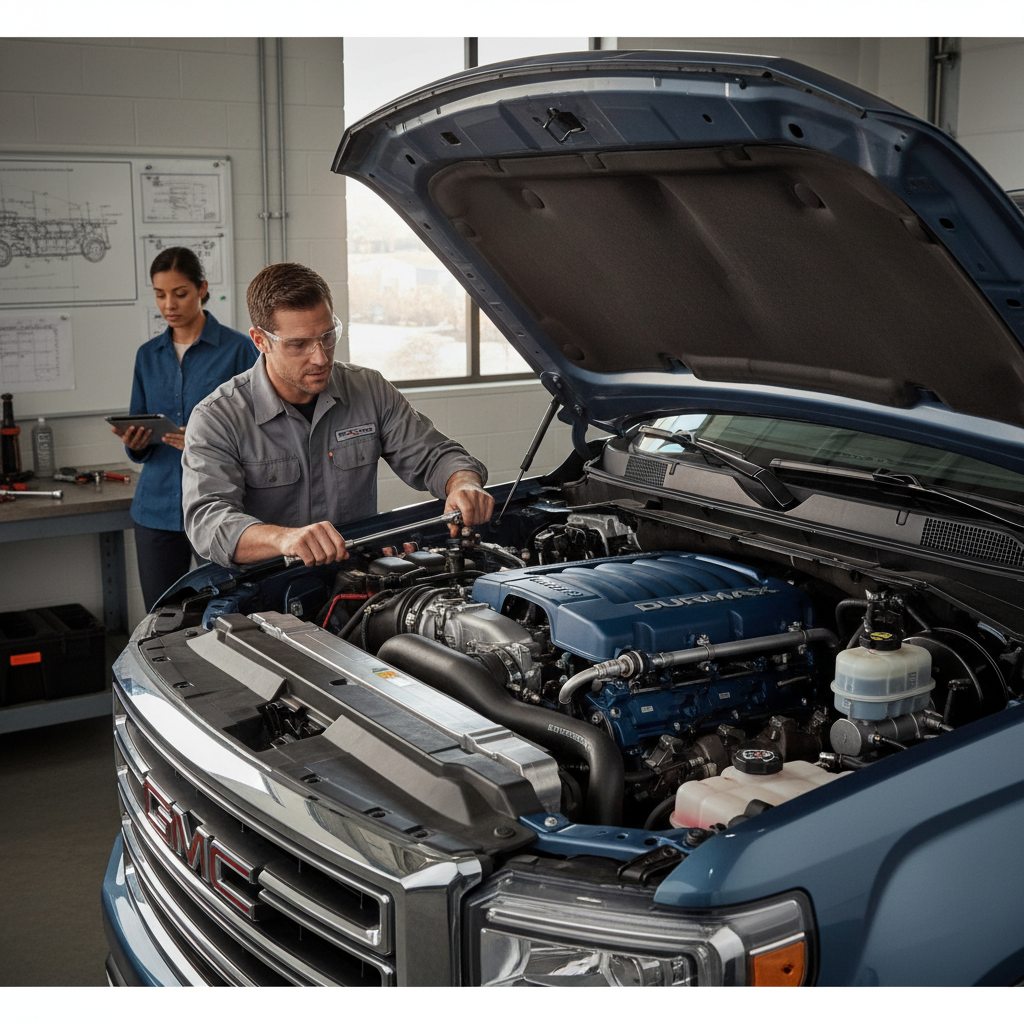
When considering a light-duty truck, the engine's longevity is a paramount concern for potential buyers. The GMC Sierra 1500, particularly with its diesel engine option, is often praised for its blend of power, fuel efficiency, and durability. But just how long can you expect the diesel engine in a GMC 1500 to last? The answer isn't a single number, but a range influenced by numerous factors.
Generally, the 3.0L Duramax inline-six turbo-diesel engine, found in modern GMC 1500 trucks, is engineered for a long service life. With proper care and maintenance, many owners can realistically expect this engine to last well over 200,000 to 300,000 miles. Some meticulously maintained engines have even been known to surpass this range, pushing towards the half-million-mile mark, though this is less common for a light-duty application compared to their heavy-duty counterparts.
The inherent design of a diesel engine contributes significantly to its potential for longevity. Diesels operate at higher compression ratios and are built with more robust components (like the block, pistons, and crankshaft) to withstand these greater forces. This over-engineered nature means that under normal operating conditions, the core components experience less relative stress than those in a comparable gasoline engine.
Key Factors That Influence the Lifespan of a GMC 1500 Diesel
While the engine is built to be durable, its ultimate lifespan is in the hands of the owner. Several critical factors will determine whether your diesel engine reaches its full potential or experiences a premature failure.
1. Maintenance and Service Intervals
This is arguably the most critical factor. Adhering to the manufacturer's recommended service schedule is non-negotiable for engine longevity. For the 3.0L Duramax, this means using the correct specification of engine oil (DexosD-approved) and changing it at the proper intervals. Diesel engines are harder on oil due to soot and higher pressures, making clean oil essential for lubricating the turbocharger and other critical components.
Beyond oil changes, other maintenance tasks are just as vital. Regularly replacing the fuel filter is crucial to protect the high-pressure fuel system from contaminants. Air filters, coolant flushes, and keeping the Diesel Exhaust Fluid (DEF) tank filled with quality fluid are all part of a comprehensive maintenance routine that directly impacts the engine's health and lifespan.
2. Driving Habits and Conditions
How you drive your truck plays a significant role. An engine that spends most of its life cruising at steady speeds on the highway will generally last longer than one subjected to constant short trips in city traffic. Short trips don't allow the engine to reach its optimal operating temperature, which can lead to moisture buildup in the oil and incomplete combustion. This can accelerate wear and tear over time.
Furthermore, aggressive driving habits—such as rapid acceleration, hard braking, and not allowing the engine a moment to warm up or cool down (especially the turbo)—will put additional stress on all components. Smooth, consistent driving is a key ingredient for a long-lasting diesel engine.
3. Towing and Hauling Loads
The GMC 1500 diesel is built to work, but the frequency and intensity of that work matter. An engine that is consistently towing heavy loads near its maximum capacity will experience more stress and wear than one used primarily for commuting. While the engine is designed for this, heavy use simply accelerates the aging process of components.
If you frequently tow, it becomes even more important to be diligent with maintenance. This includes more frequent fluid checks, ensuring the cooling system is in top condition, and allowing the turbocharger adequate time to cool down after a long, hard pull before shutting the engine off.
4. Fuel and Fluid Quality
The quality of the diesel fuel you use can have a direct impact on the health of your fuel system and engine. Using high-quality diesel from reputable, high-volume stations helps ensure the fuel is clean and has the proper cetane rating. Low-quality fuel can contain water or other contaminants that can damage sensitive and expensive fuel injectors and the high-pressure fuel pump.
The same principle applies to all other fluids. Using the manufacturer-specified engine oil, coolant, and DEF is essential. Substituting with cheaper, non-spec fluids can lead to lubrication failure, cooling issues, or problems with the emissions system, all of which can result in catastrophic engine damage.
5. Environmental and Climate Conditions
Where you operate the truck also plays a part. Extreme climates, whether hot or cold, can put extra strain on an engine. In very cold climates, using the block heater before starting is crucial to reduce wear during cold starts, which is when most engine wear occurs. In extremely hot climates, ensuring the cooling system is in perfect working order is vital to prevent overheating, especially when towing or hauling.
Regions with high humidity, salty air (near the coast), or dusty conditions (like rural or desert areas) can also accelerate corrosion and require more frequent air filter changes to prevent abrasive particles from entering the engine.