Understanding the Longevity of Your Jayco Trailer: What to Expect
So, what is the expected life of a Jayco trailer? While a well-maintained Jayco can often last well over 10 years, that number really depends on a few key factors.
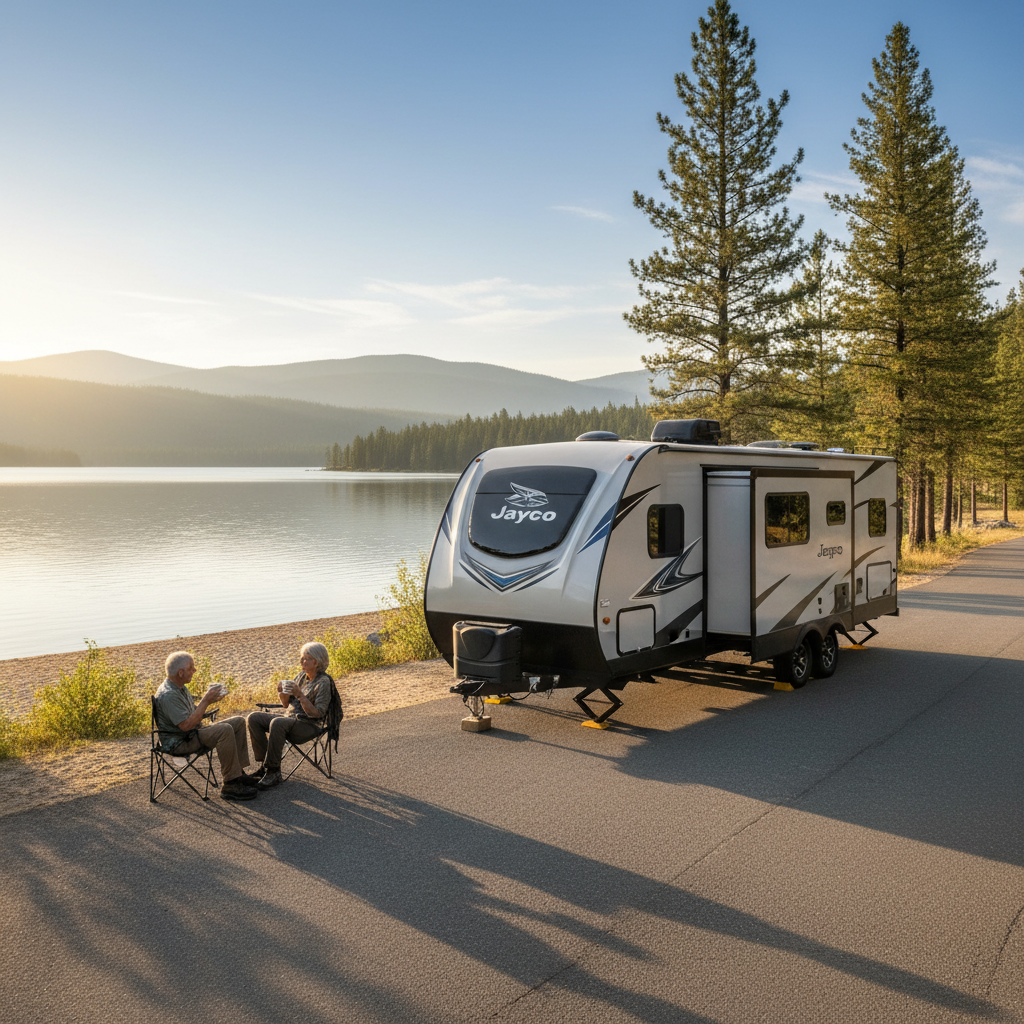
Expected Life Of A Jayco Trailer
When investing in a recreational vehicle, one of the most pressing questions for any potential buyer is, "How long will it last?" For those considering a Jayco, a brand known for its long-standing presence in the RV industry, understanding the expected lifespan is crucial. While there isn't a single, definitive answer, a well-maintained Jayco trailer can realistically be expected to last between 15 to 25 years, with many lasting much longer. However, this range is heavily influenced by a combination of factors, from initial build quality to the owner's diligence in care and maintenance.
The longevity of any RV is a testament to both its construction and its upkeep. A Jayco that is used seasonally and stored properly during the off-season will naturally endure less wear and tear than one used for full-time living and exposed to harsh elements year-round. Ultimately, the owner plays a pivotal role in determining whether their trailer reaches or exceeds its potential lifespan. In the following sections, we'll break down the key factors that contribute to how long you can expect your Jayco trailer to serve you on your adventures.
Key Factors That Determine a Jayco Trailer's Lifespan
The lifespan of a Jayco trailer is not a fixed number but a variable outcome based on several critical elements. Understanding these factors can help owners take proactive steps to ensure their investment provides years of reliable service and enjoyment.
1. Regular and Proactive Maintenance
This is arguably the single most important factor in extending the life of any RV. A Jayco trailer is a complex machine with numerous systems, all of which require regular attention. This includes checking and sealing all roof seams, windows, and exterior joints at least twice a year to prevent water intrusion, which is the number one enemy of any trailer. Water damage can lead to delamination, wood rot, and mold, causing catastrophic and expensive structural issues.
Beyond sealing, routine maintenance involves inspecting the tires for proper inflation and wear, checking and lubricating the axles and suspension components, testing the brakes, and servicing the appliances like the water heater, furnace, and air conditioner. Consistently following the manufacturer's recommended service schedule for all components will prevent small, manageable issues from escalating into major, life-shortening problems. An owner who is diligent with their maintenance checklist can easily add a decade or more to their trailer's life compared to one who neglects it.
2. Quality of Construction and Materials
Jayco has built a reputation on specific construction methods designed for durability. For instance, their Magnum Truss Roof System is engineered to be one of the strongest in the industry, capable of withstanding more weight than many competitors. This reduces the likelihood of sagging and leaks over time. They also often use integrated A-frames and custom-manufactured frames, which provide a more robust and stable foundation for the trailer.
The quality of the materials used in the walls, flooring, and cabinetry also plays a significant role. While entry-level models may use more basic materials to keep costs down, higher-end Jayco lines often feature superior components that can better withstand the rigors of travel and time. When evaluating a Jayco, it's important to consider the specific model line, as a Jayco Eagle will have different construction standards and materials than a Jay Feather Micro, which will impact its long-term durability.
3. Usage Patterns and Intensity
How a trailer is used directly impacts its lifespan. A Jayco used for a few weekend trips each summer will experience far less wear than one used for full-time living or extensive cross-country travel. The more miles you put on the trailer, the more stress is placed on the chassis, suspension, tires, and axles. Constant vibration from road travel can loosen fittings, cabinetry, and plumbing connections over time.
Furthermore, the intensity of use within the trailer matters. Full-time living means the plumbing, electrical systems, and appliances are in constant operation, accelerating their wear cycle. A weekend camper might use their water heater for a few hours a month, while a full-timer uses it daily. This increased demand requires more frequent service and eventual replacement of components, contributing to the overall aging process of the trailer.
4. Storage and Environmental Conditions
Where and how you store your Jayco trailer during periods of non-use is critical to its longevity. The ideal storage solution is a covered or indoor facility that protects the trailer from the elements. Prolonged exposure to direct sunlight can cause significant damage to the exterior. UV rays degrade the roof membrane, crack plastic components, fade decals and paint, and damage tires.
Similarly, exposure to rain, snow, and ice can be detrimental. Moisture can find its way into the smallest unsealed cracks, and freeze-thaw cycles can widen these gaps, leading to leaks. Storing the trailer in a humid climate can promote mold and mildew growth, while storage in extremely dry, hot climates can cause seals and plastics to become brittle. Using a quality, breathable RV cover can offer a good layer of protection if indoor storage is not an option.
5. Climate and Geographic Location
The primary climate where the trailer is used and stored has a significant impact. Trailers in mild, temperate climates like the Pacific Northwest (with proper moisture control) tend to fare better than those in the extreme heat of the desert Southwest or the salty, humid air of coastal Florida. Salt air accelerates rust and corrosion on the frame and metal components.
Extreme heat can warp exterior panels and place a heavy strain on the air conditioning system, while harsh winters with heavy snowfall put immense weight on the roof. Road conditions also matter; a Jayco that frequently travels on poorly maintained or unpaved roads will experience much more structural stress than one that sticks to smooth highways.
What Sets Jayco's Construction Apart?
Jayco has been manufacturing RVs since 1968, and over the decades, they have developed several signature construction features that contribute to the overall durability and potential lifespan of their trailers. One of their most well-known features is the Magnum Truss Roof System. Jayco claims it's the strongest roof in the industry, able to withstand up to 4,500 pounds. This is achieved by using oversized nail plates, vertical studs, and larger-than-standard wood trusses, which create a more rigid and durable structure less prone to sagging and leaking over its lifetime.
Another key aspect is their integrated A-frame and chassis design. Instead of simply welding the A-frame (the front part of the trailer that connects to the hitch) to the main frame, Jayco often runs the A-frame rails through the main frame rails and welds them on both sides. This creates a stronger, more unified foundation that better resists the twisting and flexing forces encountered during travel. This structural integrity is fundamental to the trailer's ability to hold together over many years and thousands of miles.
Common Questions About Jayco Trailer Longevity
After understanding the factors that influence lifespan, many potential and current owners have more specific questions about maximizing their investment and comparing it to other options on the market.
How Can I Maximize My Jayco's Lifespan?
Maximizing your trailer's life comes down to a proactive and consistent care regimen. The number one priority should be water prevention. Create a semi-annual schedule to get on the roof and inspect every inch of sealant. Check around vents, skylights, the AC unit, and along the front and rear caps. Apply self-leveling lap sealant to any cracks or areas that look worn. Do the same for all windows, doors, and storage compartments with a different type of RV sealant.
Beyond sealing, regularly exercise all the systems. Don't let the trailer sit for a year without running the generator, testing the water pump, or firing up the appliances. This keeps components lubricated and in working order. Also, manage your tire health by keeping them properly inflated and covered when stored to prevent UV damage. Finally, address any issue, no matter how small, as soon as it appears. A loose piece of trim, a flickering light, or a slow drain can be symptoms of larger underlying problems that are easier and cheaper to fix when caught early.
Are Jayco Trailers a Good Long-Term Investment?
It's important to clarify that most RVs, including Jayco trailers, are depreciating assets, not financial investments that grow in value. However, in the context of an "investment in lifestyle," they can be excellent. Jayco holds its resale value relatively well compared to many other brands, partly due to its strong brand recognition and reputation for family-friendly layouts and durable construction.
The value of the investment is realized through years of use and memories created. Because they are built with durable components like the Magnum Truss Roof and often come with a strong warranty from the factory, they provide a solid foundation for a long-term RVing experience. A well-cared-for Jayco can still command a respectable price on the used market even after 10-15 years, making it a sounder purchase than many lesser-known or budget-focused brands whose value may plummet more quickly.
What are the First Components to Fail on an RV?
Regardless of the brand, certain components are simply more prone to wear and failure due to their mechanical nature or exposure to the elements. Tires are a prime example; most manufacturers recommend replacing them every 5-7 years, regardless of tread depth, due to rubber degradation. Exterior sealant, as mentioned, is a maintenance item, not a permanent component, and requires constant vigilance.
Appliances like the water heater, furnace, and refrigerator have their own lifespans, often in the 10-15 year range, depending on usage. Water pumps and plumbing fixtures can also fail over time. On the exterior, decals are notorious for cracking and peeling from sun exposure within the first 5-10 years. Understanding that these "consumable" parts will need eventual replacement is part of RV ownership and is crucial for keeping the core structure of the trailer in good health for the long haul.
Conclusion
The expected life of a Jayco trailer is not set in stone. While the manufacturer builds them with durable foundations designed to last, the ultimate lifespan rests heavily in the hands of the owner. With a strong commitment to regular maintenance, proper storage, and mindful usage, it's entirely reasonable to expect a Jayco trailer to provide 15 to 25 years, or even more, of reliable service. By focusing on preventing water damage, caring for the mechanical systems, and protecting the trailer from the elements, you can ensure your Jayco remains a trusted companion for countless adventures for many years to come.