Understanding the Most Severe Side Effects of Radiotherapy
Radiotherapy is a powerful, life-saving treatment, but understanding its potential impact is crucial. While many side effects are manageable, some can be severe and develop long after treatment has ended.
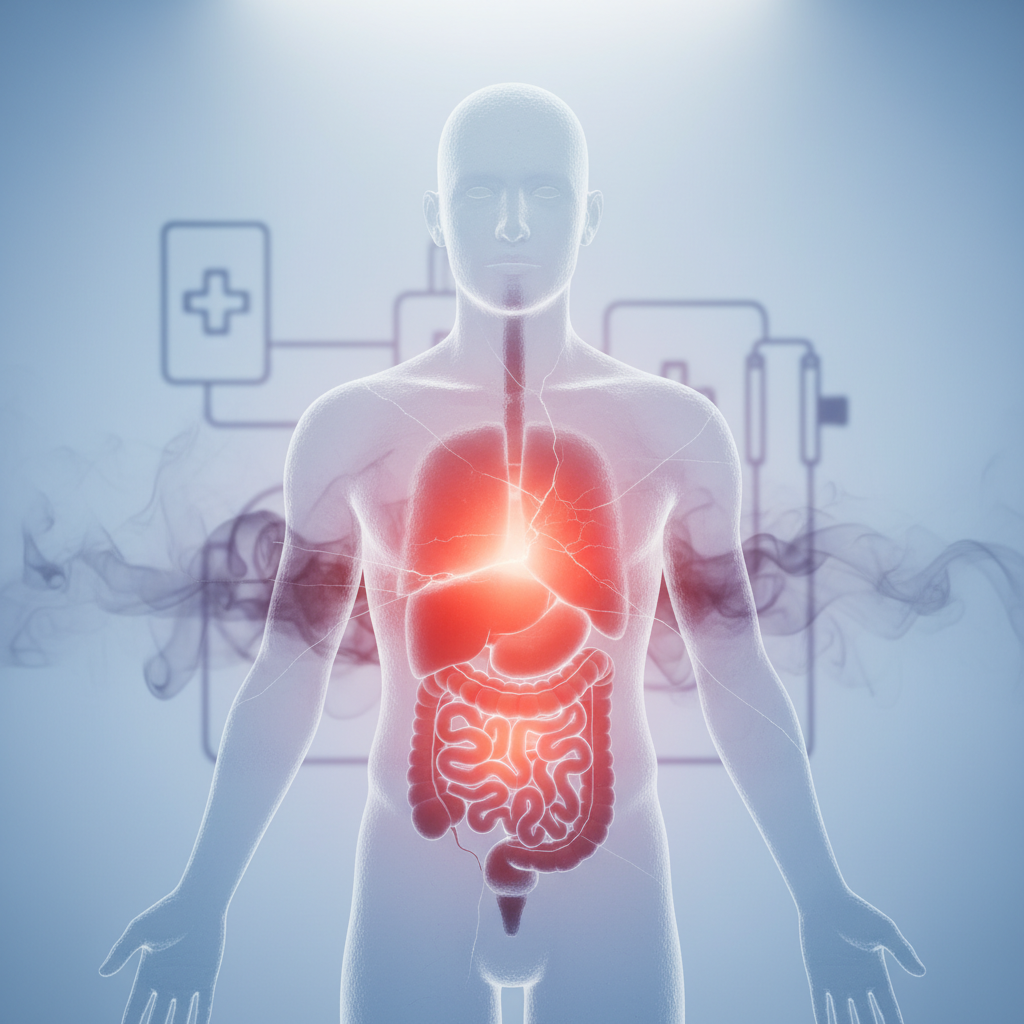
The Most Severe Side Effects Of Radiotherapy
Radiotherapy, or radiation therapy, is a cornerstone of modern cancer treatment, using high-energy rays to destroy cancer cells and shrink tumors. While it is a highly effective and often life-saving procedure, it is not without its risks. The radiation can also damage healthy cells and tissues near the treatment area, leading to side effects. While many side effects are mild and temporary, some can be severe, long-lasting, or even permanent. Understanding these potential severe outcomes is crucial for patients and their families as they navigate the cancer treatment journey.
Major Late and Severe Side Effects of Radiation Therapy
Severe side effects are often categorized as "late effects," meaning they can appear months or even years after treatment has concluded. Their development depends on various factors, including the total dose of radiation, the area of the body treated, and individual patient health. Here are some of the most significant and severe side effects associated with radiotherapy.
Radiation Fibrosis
Radiation fibrosis is a serious late effect characterized by the formation of excess fibrous connective tissue, essentially scar tissue, in the area that was treated with radiation. This process can begin months or years after therapy and is progressive. The buildup of this dense, hard tissue can cause organs and surrounding structures to become stiff and less flexible, leading to a significant loss of function. For example, radiation fibrosis in the lungs (pulmonary fibrosis) can cause chronic shortness of breath and respiratory issues.
In other parts of the body, fibrosis can lead to different problems. If it occurs in the neck area, it can cause difficulty swallowing or a restricted range of motion. In the pelvic region, it might lead to bowel or bladder complications. The severity of fibrosis is often dose-dependent, and its management focuses on physical therapy and medications to alleviate symptoms, as the process is generally irreversible.
Radiation Necrosis
One of the most severe potential side effects, radiation necrosis, is the death of healthy tissue due to radiation exposure. It most commonly affects the brain when radiation is used to treat brain tumors or head and neck cancers. The high doses of radiation required to kill cancer cells can damage the blood vessels that supply oxygen and nutrients to healthy brain tissue. Over time, this lack of blood supply causes the tissue to die.
The symptoms of radiation necrosis can mimic those of a recurring tumor, including headaches, seizures, and cognitive changes, making diagnosis challenging. It can be a debilitating condition that may require treatment with steroids to reduce swelling or, in some cases, surgical removal of the necrotic tissue. While relatively rare with modern techniques, it remains a significant risk, particularly with high-dose treatments.
Secondary Cancers
A deeply concerning long-term risk of radiotherapy is the development of a secondary cancer. The very radiation used to destroy one cancer can, over a long period, cause genetic mutations in healthy cells that may lead to a new, different type of cancer. The risk is generally low but is influenced by the radiation dose, the area treated, and the patient's age at the time of treatment (younger patients have a higher lifetime risk).
These secondary malignancies can appear anywhere from 5 to 30 years or more after the initial treatment. Common examples include sarcomas (cancers of the soft tissue or bone) developing within the radiation field, or an increased risk of lung cancer in patients who received radiation to the chest. This risk underscores the importance of long-term follow-up care for cancer survivors.
Severe Organ-Specific Damage
The location of the radiotherapy treatment directly correlates with the type of severe organ damage that can occur. The heart, lungs, spinal cord, and other vital organs are all susceptible if they are within or near the radiation field.
- Radiation-Induced Heart Disease: When the chest is irradiated (for cancers like lung, breast, or lymphoma), the heart can be exposed. This can lead to a range of long-term cardiac problems, including hardening of the arteries (atherosclerosis), damage to heart valves, inflammation of the heart muscle (myocarditis), and an increased risk of heart attack years down the line.
- Radiation Pneumonitis and Fibrosis (Lungs): Radiation to the chest can cause an acute inflammation of the lungs called pneumonitis, which can cause coughing, fever, and shortness of breath. If this inflammation becomes chronic, it can lead to permanent scarring (fibrosis) of the lung tissue, resulting in long-term breathing difficulties.
- Radiation Myelopathy (Spinal Cord): Though very rare with modern precision techniques, damage to the spinal cord from radiation is a devastating complication. It can result in progressive neurological symptoms, including numbness, weakness, and eventually paralysis. The spinal cord has a low tolerance for radiation, and treatment plans are meticulously designed to avoid it.
Severe Lymphedema
Lymphedema is chronic swelling caused by a buildup of lymph fluid. It occurs when the lymphatic system is damaged or blocked. Radiotherapy, especially when directed at lymph node regions such as the armpit (for breast cancer) or the pelvis (for gynecological or prostate cancers), can damage these delicate channels. This damage prevents lymph fluid from draining properly, causing it to accumulate in the affected limb or area.
The swelling can range from mild to extremely severe, causing pain, tightness, a reduced range of motion, and an increased risk of skin infections (cellulitis). Severe lymphedema is a chronic condition that requires lifelong management through compression garments, specialized massage, and careful skin care. It can significantly impact a person's quality of life and body image.
Infertility and Permanent Sexual Dysfunction
When radiation is delivered to the pelvic region to treat cancers of the prostate, cervix, uterus, or rectum, it can cause severe and often permanent damage to the reproductive organs. In women, radiation can destroy eggs in the ovaries, leading to premature menopause and infertility. It can also cause vaginal stenosis (narrowing and scarring), making intercourse painful or impossible. In men, radiation can halt sperm production in the testes, causing permanent infertility.
Beyond infertility, radiation to the pelvis can damage nerves and blood vessels crucial for sexual function, leading to erectile dysfunction in men. These side effects can have profound psychological and emotional impacts, affecting relationships and self-esteem. Fertility preservation options are often discussed with patients of childbearing age before treatment begins.
Understanding How Radiotherapy Works and Why Side Effects Occur
To appreciate why these side effects happen, it helps to understand the basic mechanism of radiotherapy. The primary goal is to use targeted beams of high-energy particles or waves, such as X-rays or protons, to damage the DNA of cancer cells. When a cell's DNA is damaged beyond repair, it can no longer divide and grow, and it eventually dies. Because cancer cells typically divide much more rapidly than most healthy cells, they are more susceptible to this damage.
However, the radiation doesn't exclusively target cancer cells. It also affects the healthy cells in its path. While healthy cells have better mechanisms to repair DNA damage, they are not immune. When the radiation dose is high or the treatment area is large, the damage to healthy tissue can overwhelm its ability to repair itself. This collateral damage is what causes side effects. Acute side effects, like skin redness or fatigue, occur when rapidly dividing healthy cells (like skin or mucosal lining) are damaged. Severe, late effects like fibrosis or necrosis occur due to slow, progressive changes in tissues that have a slower cell turnover rate, such as connective tissue or nerves.
Frequently Asked Questions About Radiotherapy Side Effects
Navigating the potential risks of treatment naturally leads to many questions. Here are answers to some common concerns about the severe side effects of radiotherapy.
Can Severe Side Effects Be Prevented or Managed?
Significant advancements in medical technology have been made to minimize damage to healthy tissue and reduce the risk of severe side effects. Modern radiation oncology relies on highly sophisticated planning and delivery techniques. Methods like Intensity-Modulated Radiation Therapy (IMRT) and Volumetric Modulated Arc Therapy (VMAT) use computer-controlled linear accelerators to deliver precise radiation doses that conform to the three-dimensional shape of the tumor, sparing much of the surrounding healthy tissue.
Furthermore, proton therapy offers another level of precision by depositing the bulk of its energy directly in the tumor with minimal "exit dose" beyond it. Beyond technology, management is key. Supportive care, including medications to protect certain organs (radioprotectants), physical therapy to combat fibrosis and lymphedema, and nutritional support, plays a vital role in managing and mitigating the impact of side effects if they do occur.
How Long Do Severe Side Effects Last?
It's important to distinguish between acute and late side effects. Acute effects typically appear during or shortly after the course of treatment and usually resolve within a few weeks to months after therapy ends. Examples include fatigue, skin irritation, and nausea. In contrast, the severe side effects discussed in this article are almost always late effects. They can take months, years, or even decades to develop.
Unfortunately, because late effects like radiation fibrosis, necrosis, and organ damage often involve permanent changes to tissue structure and function, they are generally chronic and irreversible. While their symptoms can be managed to improve quality of life, the underlying damage is typically permanent. This is why long-term follow-up with a healthcare team is essential for all cancer survivors who have undergone radiotherapy.
What Factors Influence the Severity of Radiotherapy Side Effects?
The risk and severity of side effects are not the same for every patient. Several key factors determine an individual's likelihood of experiencing complications. The total dose of radiation is a primary factor—higher doses carry a greater risk. The location is also critical; radiating a sensitive area like the brain or spinal cord carries different risks than radiating a limb.
The size of the treatment field and the specific technology used also play a role. A patient's overall health, age, genetic predispositions, and lifestyle choices (like smoking) can influence how well their body tolerates treatment and repairs damage. Finally, concurrent treatments, particularly certain types of chemotherapy, can act as "radiosensitizers," making both cancer cells and healthy tissues more vulnerable to radiation damage, thereby increasing the potential for severe side effects.
Conclusion
Radiotherapy is an indispensable tool in the fight against cancer, responsible for saving and extending countless lives. However, its power comes with the potential for significant and severe side effects that can impact a patient's long-term health and quality of life. Understanding risks like radiation fibrosis, necrosis, secondary cancers, and permanent organ damage is essential for patients to have informed discussions with their oncology team.
Fortunately, continuous innovation in radiation technology and supportive care is helping to reduce these risks, allowing for more effective cancer treatment with fewer long-term consequences. Open communication between patients and healthcare providers is the best way to navigate these complexities, ensuring that treatment decisions are made with a full understanding of both the benefits and the potential challenges ahead.
For more detailed information, please consult authoritative sources: