Understanding the Most Vulnerable Entry Points for Home Security
When you think of a home break-in, you might picture a smashed window in the dead of night. The reality, however, is that most intruders exploit far simpler and more obvious weak points.
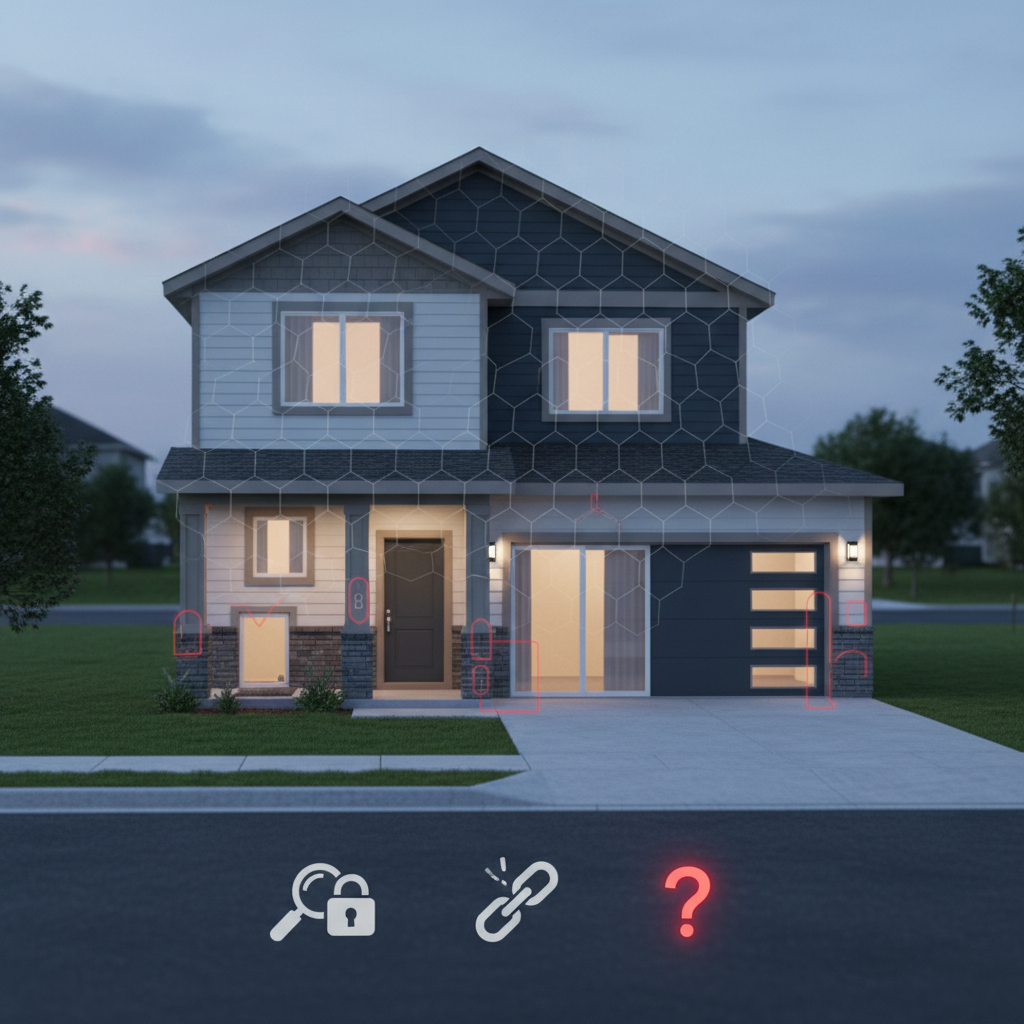
Common Entry Points Used By Home Intruders
Understanding how intruders gain access to a home is the first step in developing an effective security plan. While every home is unique, burglars often rely on predictable patterns and vulnerabilities. They look for the path of least resistance—a weak spot that allows for quick, quiet, and concealed entry. By familiarizing yourself with these common points of failure, you can better assess your own home's security. Here are the most frequently exploited entry points used by home intruders.
1. The Front Door
It may seem counterintuitive, but the front door is statistically the most common entry point for burglars. Many homeowners assume it's too conspicuous, but intruders know that many front doors are surprisingly vulnerable. An unlocked door is the easiest target of all, often a result of simple forgetfulness. However, even locked doors can be compromised. A forceful kick to a weak door frame or near the lock can splinter the wood and allow entry. This method is fast, effective, and surprisingly common.
Beyond brute force, burglars may exploit weaknesses in the lock itself through methods like lock bumping or picking, although these require more skill. Mail slots can also be a vulnerability, as a burglar might use a tool to reach in and unlock the door from the inside. A front door that is obscured from street view by large decorative pillars, overgrown landscaping, or a deep-set porch provides the perfect cover for an intruder to work on bypassing the lock undetected.
2. First-Floor Windows
Windows on the ground floor are the second most common point of entry. Their accessibility makes them an obvious target. An unlocked or slightly ajar window is an open invitation for an intruder. Many people forget to lock their windows after opening them for ventilation, creating an easy opportunity. Even when locked, standard window latches are often flimsy and can be easily pried open with a simple tool like a screwdriver or crowbar.
If prying the lock fails, breaking the glass is another option, though it's typically a last resort due to the noise it creates. An intruder might break a small corner of the pane to reach in and undo the latch. Windows hidden from sight by bushes, fences, or the position of the house are particularly at risk, as they give a burglar ample time and cover to work without being seen by neighbors or passersby.
3. Back and Side Doors
Doors that are not facing the street, such as back doors, patio doors, and side entrances, are prime targets for intruders. These doors are often less visible and offer more privacy for a break-in attempt. Homeowners sometimes invest in a heavy-duty lock for the front door but may use a less secure, standard lock on a back or side door. Sliding glass doors are notoriously vulnerable; their factory-installed locks are often weak and can be forced or even lifted off their tracks.
The seclusion of a backyard provides an ideal environment for a burglar. They can take their time to pry a door open or even break the glass with less fear of being noticed. These doors often lead into kitchens or dining rooms, providing immediate access to common areas where valuables might be kept.
4. The Garage
The garage is a multi-faceted entry point that presents several vulnerabilities. The main garage door itself can be a weak point if it's older or if a burglar manages to use a device to hack the remote's code. However, a more common scenario is a homeowner simply forgetting to close the garage door, giving an intruder free access not only to the contents of the garage but also to the interior service door leading into the home.
This service door is often a major security oversight. Many builders install a basic, low-security interior-grade door between the garage and the house. Homeowners frequently forget to lock this door, assuming the main garage door provides enough protection. An intruder who gains access to the garage can work on this interior door completely hidden from view.
5. Second-Floor Windows and Balconies
While less common than first-floor entries, second-story windows and balconies should not be overlooked. Burglars often exploit a false sense of security that homeowners have about their upper floors. Many people leave second-story windows unlocked or even open for ventilation, assuming they are out of reach. However, an intruder can easily gain access using nearby objects.
A sturdy tree with branches close to the house, a trellis, a drainage pipe, or even a ladder left in the yard can serve as a makeshift staircase to an upper level. Balconies can also provide a platform for entry, especially in apartment buildings or homes where balconies are close to one another.
6. Basement Entrances
Basements offer another secluded and often forgotten entry point. Small basement windows, also known as hopper windows, are frequent targets. They are often out of sight, and their small size might lead a homeowner to believe they are not a risk. However, an intruder can easily break the glass or pry the frame to squeeze through. The window wells that surround these windows also provide excellent cover from view.
In addition to windows, homes with bulkhead or cellar doors that provide direct outdoor access to the basement have another significant vulnerability. These doors are often secured with a simple hasp or a basic padlock that can be easily cut or broken with bolt cutters or a crowbar.