How to Find a HUD Foreclosure
Explore the potential of purchasing HUD Foreclosed Homes for investment or personal use. Learn how these properties offer unique opportunities for savvy buyers to find affordable options.
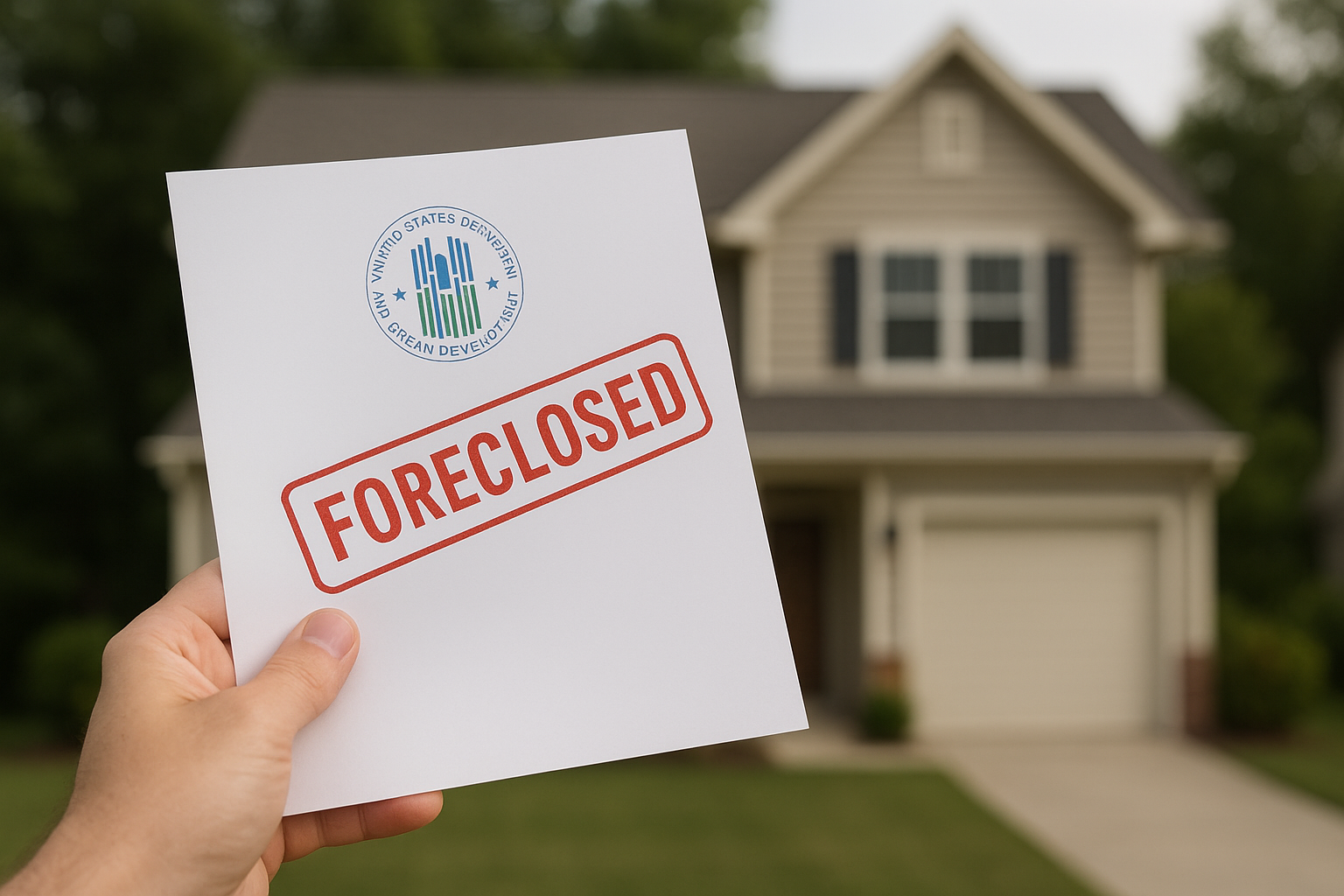
Understanding HUD Foreclosed Homes
HUD foreclosed homes can be a valuable opportunity for homebuyers and investors looking to purchase real estate at potentially lower prices. If you've seen advertisements about HUD foreclosed homes and are wondering what this entails, you're in the right place. In this article, we'll explore everything you need to know about HUD foreclosures, including how they work, their benefits and drawbacks, and how to navigate the process successfully.
What Are HUD Foreclosed Homes?
HUD foreclosed homes, often referred to as HUD homes, are properties that have been repossessed by the U.S. Department of Housing and Urban Development (HUD) following a foreclosure on a Federal Housing Administration (FHA) insured mortgage. When a borrower defaults on an FHA loan, the lender forecloses on the property, and HUD compensates the lender for the loss and takes ownership of the home.
Why Consider Buying a HUD Home?
Purchasing a HUD home can offer several advantages:
- Lower Prices: HUD homes are typically sold at market value minus any discounts that may apply. This can result in significant savings.
- Good Investment Opportunities: For investors, HUD properties can be a lucrative opportunity to acquire real estate to either flip or rent out.
- Variety of Properties: HUD homes are available in various conditions and across different locations, providing a range of options for different types of buyers.
How to Buy a HUD Home
Purchasing a HUD home involves several steps:
- Find a HUD-Registered Agent: Only real estate agents who are registered with HUD can place offers on these homes. You can find one through the HUD website or local real estate listings.
- Search for Properties: Listings for HUD homes are available on the HUD Home Store website, where you can search by state, city, or zip code.
- Submit a Bid: HUD properties are sold through a bidding process. Your agent will submit a bid on your behalf. If the bid is accepted, you'll proceed with the closing process.
For more information on purchasing HUD homes, the HUD Home Store provides a comprehensive guide on the process and listings.
Pros and Cons of Buying HUD Homes
It's important to weigh the benefits against potential drawbacks when considering a HUD home:
Pros
- Immediate Equity: You may gain immediate equity if you purchase the home below market value.
- Available Assistance Programs: HUD sometimes offers incentive programs to support purchases, such as the Good Neighbor Next Door program.
Cons
- Property Condition: Many HUD homes are sold “as-is,” meaning they may need repairs or renovations, which can be costly.
- Complex Bidding Process: The process can be competitive, and offers may be rejected if they do not meet HUD's requirements.
Market Trends and Recent Data
According to recent Realtor data, the housing market continues to show volatility, with foreclosures accounting for an increasing segment. As of 2026, more buyers are looking into foreclosed properties as an entry point into homeownership. The economic shifts have also influenced an uptick in FHA-insured mortgage defaults, leading to a steady pipeline of new HUD homes.
Conclusion
While purchasing a HUD foreclosed home can be an opportunity to own property below market rates, potential buyers need to make informed decisions by understanding the process and market dynamics. With due diligence, including a thorough property inspection and working with knowledgeable agents, HUD homes can indeed be a worthwhile investment. Whether you're a first-time homebuyer or a seasoned investor, there's value in exploring HUD properties as a distinctive real estate avenue.