Understanding the Payback Period for Residential Solar Panel Investments
Wondering how long it takes for residential solar panels to completely pay for themselves? The answer varies depending on several factors such as location, energy usage, and solar panel efficiency. On average, homeowners may see a payback period range from 6 to 12 years.
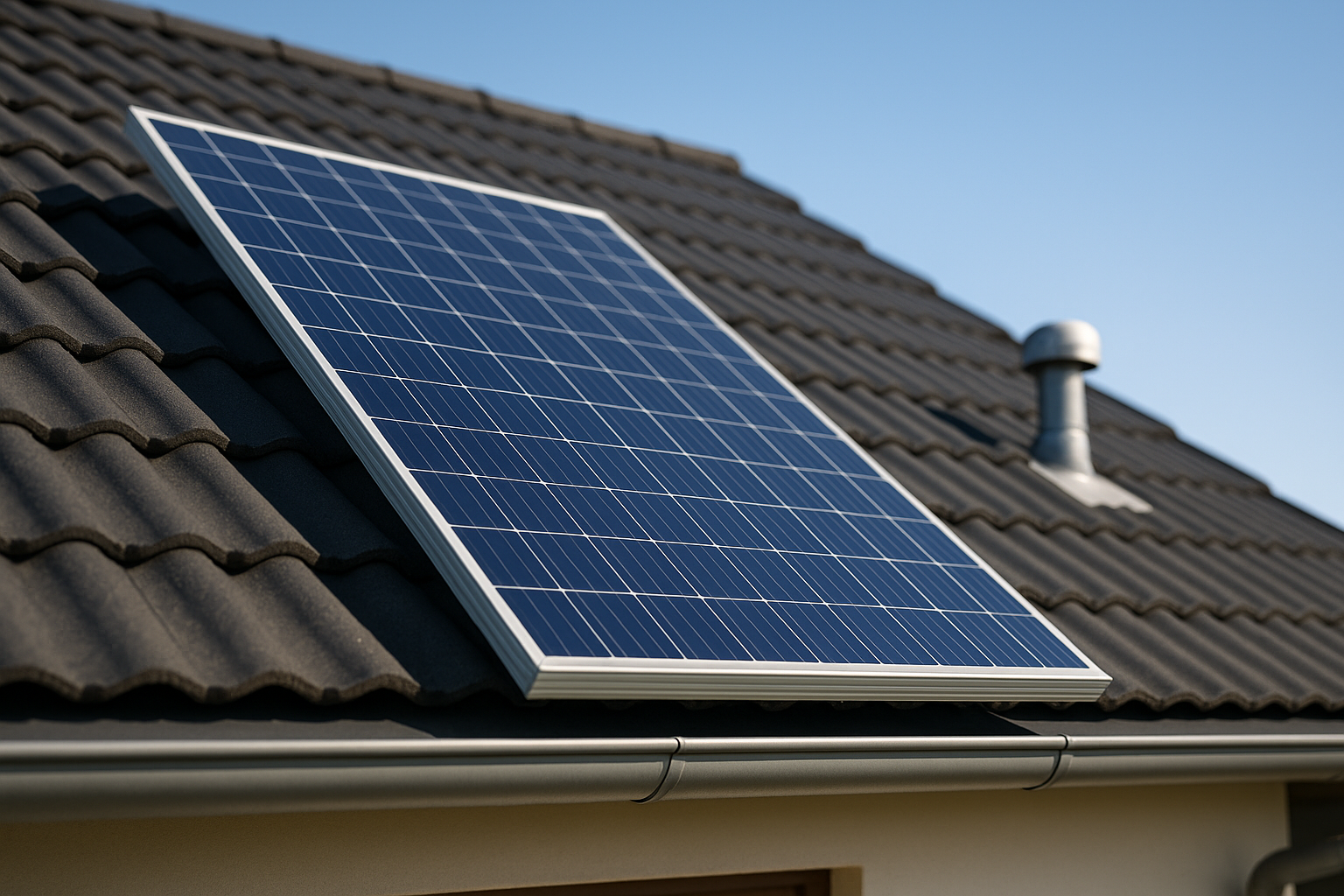
Understanding the Payback Period for Residential Solar Panels
When considering the installation of solar panels at home, one of the most common questions is, "How long does it take for residential solar panels to completely pay for themselves?" The timeframe to recoup the initial investment, known as the payback period, can vary widely due to several influencing factors.
Factors Influencing the Payback Period
The payback period for solar panels depends on various elements, including installation costs, energy savings, local utilities, and available incentives. Let's delve into these factors in more detail:
- Installation Costs: The cost of purchasing and installing solar panels has a direct impact on how quickly they pay for themselves. In 2026, the average cost of solar panels has decreased significantly due to technological advancements and increased competition, ranging between $15,000 and $25,000 for a standard 6 kW system.
- Energy Savings: The amount of money saved on energy bills is another key factor. Areas with higher electricity rates will typically see quicker payback periods. On average, a household can save around $1,000 to $1,500 annually on electricity bills by switching to solar energy.
- Local Utility Rates: These rates can vary greatly depending on your location. If your utility company offers favorable rates for feeding surplus solar energy back to the grid, known as net metering, your savings can increase substantially.
- Incentives and Rebates: Federal, state, and local incentives can reduce upfront costs. In 2026, the federal Investment Tax Credit (ITC) still offers a 26% tax credit for residential solar systems. Various states also offer rebates or additional tax incentives that can significantly shorten the payback period.
Each of these factors contributes to how quickly solar panels will “pay for themselves,” but on average, homeowners can expect a payback period of 6 to 10 years in 2026, based on current data from the U.S. Department of Energy.
Calculating Your Potential Savings
To estimate how long it will take for your residential solar panels to pay for themselves, you'll need to calculate potential savings. Here's a simple method to determine that:
- Calculate your average monthly energy consumption and costs by reviewing your past year’s utility bills.
- Find out the expected energy output of your proposed solar panel system, often provided by the installer.
- Determine your expected annual savings from reduced energy bills by multiplying your current monthly costs by 12 and adjusting it according to the percentage of cost your system will offset.
- Factor in any applicable tax credits and incentives to reduce the initial cost.
- Finally, divide the net installation cost by your annual savings to estimate your payback period.
For a detailed breakdown, you may consider consulting online resources like Solar-Estimate.org which offers calculators to help you with personalized estimates.
The Financial Benefits Beyond the Payback Period
Once you've recouped your initial investment, your solar panels will provide free electricity for the remainder of their lifespan, typically 25-30 years. This period can yield significant financial benefits.
Long-Term Savings
Most users enjoy a substantial reduction in their electricity bills long after the payback period. Following the example of a 6 kW system that saves $1,200 annually, a fully paid-off system could equate to over $18,000 in savings over 15 post-payback years.
Increased Home Value
In many areas, having a solar energy system can increase the value of your home. Some estimates suggest that each kilowatt of solar adds roughly $5,911 to a home's value, although this figure can vary based on local market conditions.
Environmental Impact
Beyond financial considerations, solar panels contribute to a reduced carbon footprint, alleviating reliance on fossil fuels. According to EPA’s Green Power Equivalency Calculator, a typical residential solar panel system can significantly lower annual CO2 emissions, equivalent to planting approximately 100 trees per year.
Real-World Example: Evaluating the Payback Period
Consider a household in California, where higher-than-average sunshine is paired with elevated energy costs. An initial investment of $18,000 with a robust annual saving of $1,500, and federal tax incentives of $4,680 could bring the payback period down to approximately 8.9 years. After this period, the family enjoys free sustainable energy for at least another dozen years, reaping further savings and environmental benefits.
Conclusion
While the question "How long does it take for residential solar panels to completely pay for themselves?" has no one-size-fits-all answer, understanding these factors and utilizing available resources can empower homeowners to make informed decisions. As technology advances and the market evolves, the prospects for residential solar only become more attractive.