Understanding the Potential Severity of Lichen Planus: What to Expect
Lichen planus presents on a wide spectrum, ranging from a mild, temporary skin rash to more severe and persistent forms that can impact the mouth, nails, and scalp. Understanding where a particular case falls on that spectrum is crucial for managing the condition effectively.
How Severe Can Lichen Planus Get?
Lichen planus is an inflammatory condition that can affect the skin, hair, nails, and mucous membranes. While many people experience a relatively mild, self-limiting form of the disease, its severity can vary dramatically from person to person. For some, lichen planus can become a chronic, debilitating condition that significantly impacts their quality of life. Understanding the full spectrum of its potential severity is crucial for recognizing symptoms and seeking appropriate medical care.
The severity is not just measured by the size or number of lesions, but also by their location, the symptoms they cause (like pain and itching), and their potential for long-term complications such as scarring, hair loss, or, in rare cases, an increased risk of certain cancers.
Mild to Moderate Lichen Planus
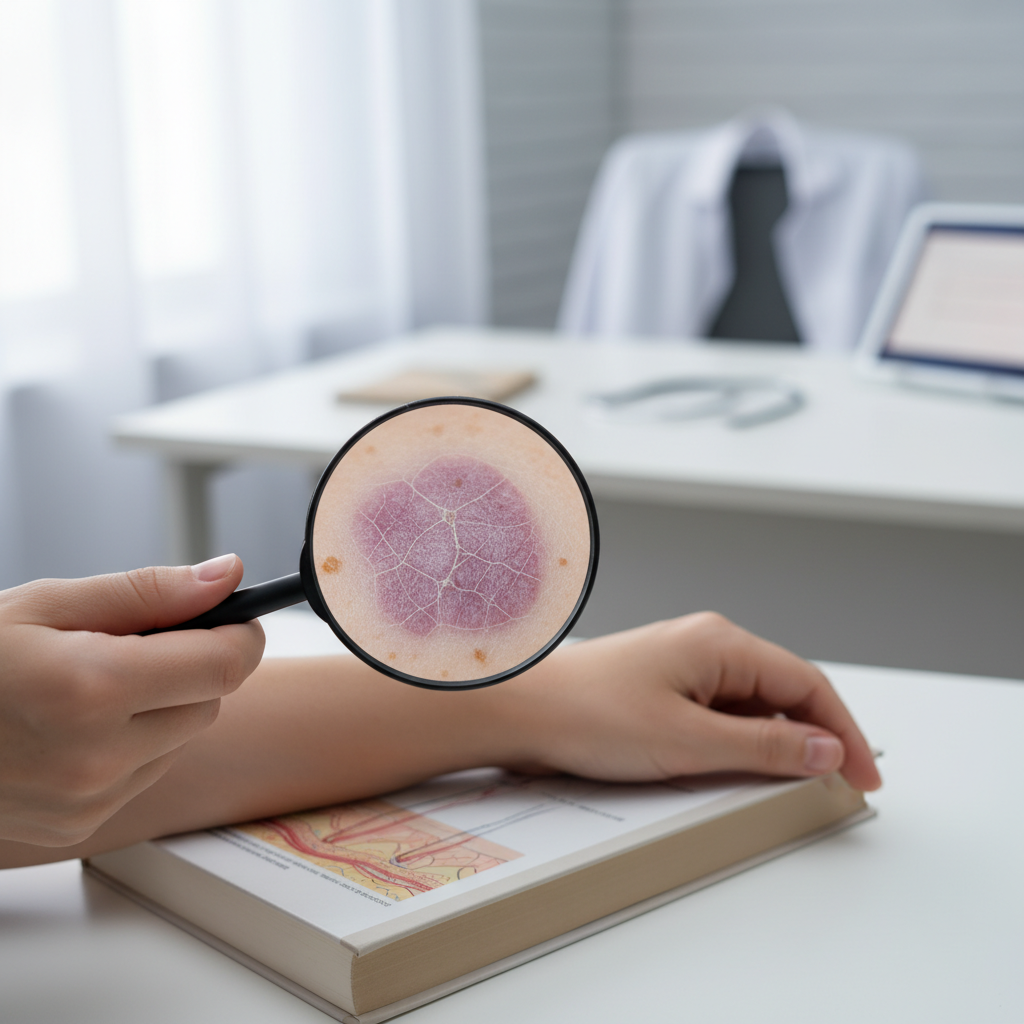
In its most common and mildest form, lichen planus appears on the skin as small, purplish, flat-topped bumps (papules). These bumps often have a slight sheen and may be marked with fine white lines known as Wickham's striae. They are typically very itchy and most commonly appear on the inner wrists, lower back, and ankles. While the itching can be intense and disruptive, this form of the condition is often limited to a few areas of the body.
In many cases of mild to moderate cutaneous (skin) lichen planus, the condition resolves on its own within 6 to 18 months. Treatment usually focuses on managing the itch with topical corticosteroids or antihistamines. Although it can be uncomfortable, this presentation is generally not considered severe and typically does not lead to permanent damage once the lesions clear, though some temporary skin discoloration (post-inflammatory hyperpigmentation) may remain.
Severe Cutaneous (Skin) Lichen Planus
The condition can become more severe when it covers a large portion of the body (generalized lichen planus) or when the lesions take on different characteristics. One more severe variant is hypertrophic lichen planus. In this form, the lesions become very thick, scaly, and raised plaques, often appearing on the shins. They are extremely itchy and can be very persistent, sometimes lasting for many years and leading to significant scarring and skin discoloration even after they heal.
Another severe skin presentation is bullous lichen planus, where fluid-filled blisters develop on top of or near the typical lichen planus lesions. These blisters can be painful and may break, leaving raw, uncomfortable areas that are susceptible to secondary infection. Managing widespread or hypertrophic lichen planus often requires more aggressive treatments, such as oral corticosteroids or other systemic medications that suppress the immune system.
Erosive Lichen Planus: A More Severe Form
Perhaps one of the most severe and painful forms is erosive lichen planus, which primarily affects mucous membranes. This is most common inside the mouth (oral lichen planus) but can also affect the genitals, esophagus, or other mucosal surfaces. Instead of distinct bumps, this form presents as raw, painful, open sores or erosions. The delicate lining of the mouth or other affected areas is stripped away, exposing the sensitive tissue underneath.
Patients with severe erosive oral lichen planus experience significant pain, especially when eating, drinking, or speaking. Acidic, spicy, or crunchy foods can become impossible to tolerate. This can lead to nutritional deficiencies and weight loss. On the genitals, erosive lichen planus can cause extreme pain, interfere with sexual function, and lead to scarring that can alter the anatomy of the area. This form is often chronic, difficult to treat, and requires long-term management by a specialist.
Lichen Planopilaris: Severity Involving Hair Loss
When lichen planus affects the hair follicles, it is called lichen planopilaris. This is considered a severe manifestation because its primary consequence is permanent, scarring hair loss (cicatricial alopecia). The body's immune system attacks the hair follicles, causing inflammation, redness, and scaling around the base of the hair shafts. As the follicles are destroyed, they are replaced by scar tissue, and hair can no longer grow from that spot.
The hair loss often starts as small, scattered patches but can merge into larger areas of baldness. It can be accompanied by itching, burning, and tenderness of the scalp. Early and aggressive treatment is critical to halt the inflammation and prevent further permanent hair loss. Once the follicle is scarred over, the hair loss is irreversible, making this a psychologically distressing and severe form of the condition.
Nail Lichen Planus: From Ridges to Permanent Loss
Lichen planus can also target the nails, and its severity here can range from minor cosmetic changes to complete and permanent nail destruction. In milder cases, it may cause thinning of the nail plate, longitudinal ridging, or slight discoloration. However, in more severe instances, the inflammation can damage the nail matrix, which is responsible for nail growth.
This can lead to splitting, crumbling, and the formation of a pterygium, where the cuticle grows forward and fuses to the nail bed, creating a winged scar. In the most severe cases, the nail plate can be completely and permanently lost (anonychia). When multiple nails are affected, it can interfere with daily functions and cause significant emotional distress.
The Underlying Cause: An Autoimmune Response
Lichen planus is fundamentally an autoimmune disorder, though the exact reason it starts is not fully understood. In simple terms, the body's immune system, which is supposed to fight off infections, makes a mistake. It incorrectly identifies cells in the skin or mucous membranes as foreign threats and launches an attack against them. This attack is led by immune cells called T-lymphocytes, which cause inflammation and lead to the characteristic bumps, sores, and other symptoms of the condition.
While the root cause is this misdirected immune response, certain triggers are thought to activate the condition in susceptible individuals. These can include viral infections like hepatitis C, exposure to certain chemicals or metals (such as in dental fillings), certain medications (like some blood pressure drugs or NSAIDs), and even high levels of physical or emotional stress. Understanding that lichen planus is an internal immune system issue helps explain why it can become chronic and why treatments often focus on calming or suppressing this overactive immune response rather than just treating the surface symptoms.
Answering Common Questions About Lichen Planus Severity
Can Lichen Planus Turn into Cancer?
This is a valid and important concern, particularly for those with long-standing lichen planus of the mucous membranes. For most forms of skin-only lichen planus, the risk of developing skin cancer is not considered to be significantly increased. However, the situation is different for chronic erosive oral lichen planus. This specific, severe form is associated with a small but recognized increased risk of developing squamous cell carcinoma, a type of oral cancer.
The chronic inflammation and cell turnover in the affected areas are believed to contribute to this risk. Because of this, individuals with oral lichen planus, especially the erosive type, are strongly advised to have regular check-ups with a dermatologist or an oral pathologist. These check-ups allow for careful monitoring of the lesions. Any changes, such as new sores that don't heal, hardened areas, or red or white patches, should be evaluated immediately, often with a biopsy to rule out cancerous changes.
How is Severe Lichen Planus Diagnosed and Treated?
Diagnosing lichen planus usually involves a physical examination by a dermatologist. To confirm the diagnosis and rule out other conditions, especially in severe or unusual cases, a skin biopsy is often performed. This involves taking a small sample of the affected tissue and examining it under a microscope, which will show characteristic changes of lichen planus.
Treatment for severe lichen planus is aimed at reducing inflammation, relieving symptoms like pain and itching, and preventing permanent damage like scarring or hair loss. The approach is often stepped. First-line treatments usually involve potent topical or injected corticosteroids. If these are not effective or the disease is too widespread, systemic treatments are used. These can include oral corticosteroids (like prednisone), oral retinoids, or other immunosuppressive drugs such as methotrexate, azathioprine, or mycophenolate mofetil. For severe oral lichen planus, special steroid mouthwashes or gels are often prescribed.
Does Lichen Planus Ever Go Away Completely?
The course of lichen planus varies significantly. For many people with the common cutaneous (skin) form, the condition is self-limiting and will resolve on its own, typically within one to two years. After it clears, it may not return, although some people can experience recurrences later in life. The primary lingering effect may be dark spots on the skin where the lesions were, which usually fade over time.
However, for more severe forms, the outlook can be different. Oral lichen planus, lichen planopilaris (scalp), and nail lichen planus are often chronic conditions that can persist for many years, sometimes indefinitely. While treatments can control the symptoms and put the disease into remission for periods, flare-ups can occur. The goal of management in these chronic cases is to minimize symptoms, prevent irreversible damage, and maintain the best possible quality of life.
Conclusion
Lichen planus is a complex condition with a vast range of potential severity. While many will only experience manageable itching and a temporary rash, others face a much more challenging journey. Severe forms like erosive oral lichen planus can cause chronic pain and difficulty eating, while lichen planopilaris can lead to the permanent loss of hair. The severity extends beyond the physical, often taking a significant emotional toll. Recognizing the potential for these more severe outcomes is the first step toward seeking timely and appropriate medical intervention to manage symptoms and prevent long-term complications.
For more information, you can visit these trusted resources: