Understanding the Potential Skin Risks of Wearing Crocs
Those iconic, comfy clogs are a go-to for many, but it's fair to question if they come with a hidden downside for your skin.
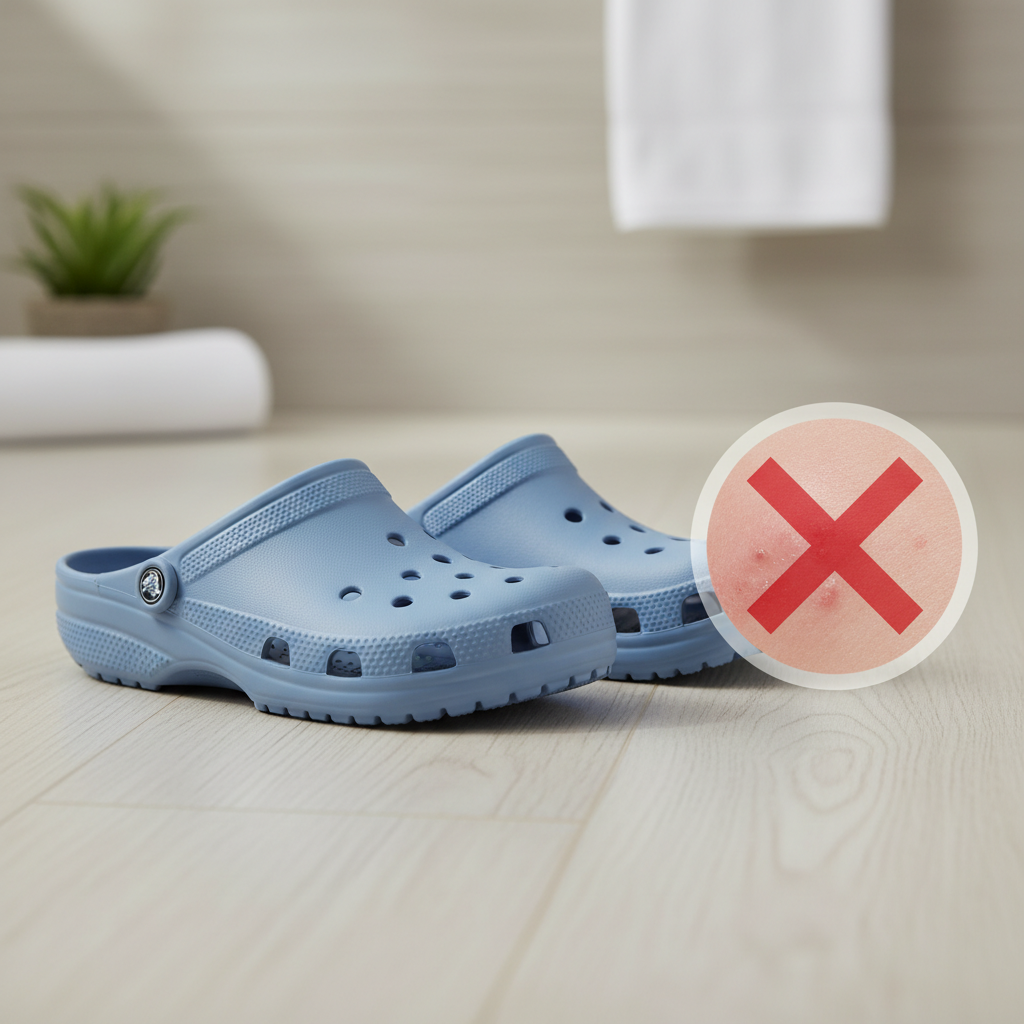
Can Crocs Cause Skin Problems? A Detailed Look
Crocs have become a global footwear phenomenon, known for their unparalleled comfort, vibrant colors, and distinctive hole-punched design. Made from a proprietary closed-cell resin called Croslite, they are lightweight, easy to clean, and water-resistant. However, as with any type of footwear worn for extended periods, questions often arise about their impact on foot and skin health. While millions wear them without issue, some individuals may experience skin problems. This guide explores the potential skin-related concerns associated with wearing Crocs and the factors that contribute to them.
Potential Skin Issues Linked to Crocs
The unique design and material of Crocs can, in certain circumstances, contribute to several types of skin irritation. Understanding these potential issues is the first step in preventing them.
Friction and Blisters
One of the most common footwear-related skin problems is blistering caused by friction. This happens when a part of the shoe consistently rubs against the skin, causing the outer layers to separate and fill with fluid. With Crocs, friction can occur if the fit is not quite right. If they are too loose, the foot may slide around, causing rubbing against the heel or the sides. The little nubs on the footbed, designed to stimulate circulation, can also become a source of irritation for some people with sensitive skin, especially during long periods of walking.
Conversely, if the Crocs are too tight, they can create pressure points on the tops of the toes, the sides of the foot, or the back of the heel. The Croslite material, while soft, is not as pliable as leather or fabric, so it won't stretch to accommodate pressure spots in the same way. This constant pressure and rubbing, particularly in warm or humid conditions, can easily lead to painful blisters and raw skin.
Sweat and Moisture-Related Issues
While the ventilation holes are a signature feature of classic Crocs, they don't always provide enough airflow to keep the entire foot dry, especially in hot weather or during physical activity. The Croslite material itself is non-porous and does not absorb moisture. This means any sweat produced by your feet will pool inside the shoe, creating a warm, damp environment. This excess moisture can lead to skin maceration, where the skin becomes soft, white, and wrinkly, making it more fragile and susceptible to breakdown and infection.
This trapped moisture is a primary concern for skin health. When skin remains damp for prolonged periods, its natural barrier function is compromised. This can exacerbate existing skin conditions like eczema or atopic dermatitis and create an ideal breeding ground for bacteria and fungi, leading to other complications discussed below.
Allergic Reactions and Material Sensitivities
While rare, some individuals may experience an allergic reaction to the materials used in Crocs or the colorants and chemicals involved in their manufacturing. This type of reaction is known as contact dermatitis. Symptoms can include redness, itching, a rash, or even small blisters in the areas where the skin is in direct contact with the shoe material. The Croslite material is generally considered hypoallergenic, but sensitivities can be highly individual.
If you notice a rash that specifically outlines the shape of the shoe or the straps, it could be a sign of contact dermatitis. It's also worth noting that sometimes the reaction isn't to the shoe itself but to cleaning agents used on the shoe that haven't been properly rinsed off. If you suspect an allergy, it's best to stop wearing the shoes and consult with a dermatologist for proper diagnosis and patch testing if necessary.
Bacterial and Fungal Infections
The warm, moist environment created by trapped sweat inside Crocs is a perfect breeding ground for microorganisms. This can increase the risk of developing fungal infections like Athlete's Foot (tinea pedis) or bacterial infections. Athlete's Foot is characterized by an itchy, scaly rash, often starting between the toes. Similarly, bacteria can thrive in the dampness, potentially leading to infections if there are any small cuts, blisters, or breaks in the skin.
While the Croslite material is marketed as having antimicrobial properties, which can help inhibit the growth of odor-causing bacteria, this doesn't make the shoe impervious to all microbial growth. Regular and thorough cleaning is essential to minimize this risk. If you wear Crocs in public wet areas like pools, gym showers, or locker rooms, it’s crucial to wash and dry both your feet and the shoes afterward to prevent picking up and cultivating fungi.
Understanding the Material: What is Croslite?
To fully grasp why Crocs might affect the skin in specific ways, it’s important to understand their core material. Crocs are not made of plastic or rubber, as many people assume. They are constructed from a proprietary material called Croslite™, a closed-cell resin developed by Foam Creations. This unique material is what gives Crocs their signature lightweight, comfortable, and odor-resistant qualities.
The "closed-cell" nature of the resin is key. Unlike open-cell foams (like a sponge), which absorb moisture, closed-cell resin does not. This is why Crocs are water-resistant and easy to clean—dirt and liquids can't penetrate the material. This non-porous quality is also a double-edged sword. While it resists absorbing external moisture and bacteria, it also doesn’t absorb the sweat produced by your feet. Instead, the moisture sits on the surface of the footbed, directly against your skin. This is the primary reason why, despite the ventilation holes, moisture-related skin problems can occur.
Furthermore, the material is known for its shock-absorbing properties, which contributes to the comfort factor. It also molds slightly to the shape of the wearer's foot with body heat, which can enhance the fit over time. However, this molding is limited, and an initially poor fit is unlikely to correct itself enough to prevent friction-related issues.
Common Questions About Crocs and Foot Health
Beyond specific skin problems, users often have broader questions about how these popular shoes impact overall foot health. Here are answers to some common queries.
How can you prevent skin problems when wearing Crocs?
Preventing skin issues while enjoying the comfort of Crocs is achievable with a few simple habits. First and foremost is ensuring a proper fit. Your heel should not be pressed against the back, and there should be a small amount of space around the entire foot. Your toes should not touch the front of the shoe. This minimizes the risk of friction and blisters. Second, practice good hygiene. Wash your Crocs regularly with soap and water and allow them to air dry completely. This removes sweat residue, bacteria, and fungi.
Managing moisture is also critical. If you have particularly sweaty feet or live in a hot climate, consider wearing thin, moisture-wicking socks with your Crocs. While it might be a controversial fashion statement for some, it’s highly effective at protecting your skin. It’s also wise to not wear them for excessively long periods of continuous walking, especially if you're not used to them. Giving your feet breaks and allowing them to air out can prevent the buildup of sweat and reduce irritation.
Are Crocs bad for your feet in general?
This is a topic of debate among podiatrists. On one hand, Crocs offer some benefits. They have a wide toe box, which prevents crowding of the toes, and the Croslite material provides excellent cushioning and shock absorption. For casual wear, short walks, or as house slippers, they are generally considered acceptable and comfortable for many people. The American Podiatric Medical Association (APMA) has even given some models its Seal of Acceptance for promoting good foot health.
However, many podiatrists caution against using them as your primary, all-day walking shoe. The main criticism revolves around the lack of heel security. The open back and loose-fitting design mean your toes may tend to grip downward to keep the shoe on, which can lead to issues like tendonitis or toe deformities over time. Furthermore, they offer minimal arch support, which can be problematic for individuals with flat feet or those who require more structured footwear to prevent foot fatigue and pain.
Conclusion
Crocs can be a comfortable and practical footwear choice for many situations. However, like any shoe, they are not without potential downsides. Skin problems such as blisters, rashes, and infections can occur, primarily due to factors like improper fit, moisture buildup, and in rare cases, material sensitivity. The unique properties of the non-absorbent Croslite material play a significant role in these potential issues.
By prioritizing a proper fit, maintaining good foot and shoe hygiene, and being mindful of how long you wear them, you can significantly reduce the risk of developing skin problems. Listening to your body is key; if you notice redness, irritation, or pain, it’s best to give your feet a break and assess the cause. For most people, when worn appropriately, Crocs can remain a comfortable part of their footwear collection without causing harm to their skin.