Understanding the Process and Benefits of Egg Donation
Explore the evolving landscape of egg donation centers, where potential donors can provide an invaluable gift to those seeking familybuilding solutions. Learn about how egg donation centers work, what to expect during the process, and the potential impacts on both donors and recipients.
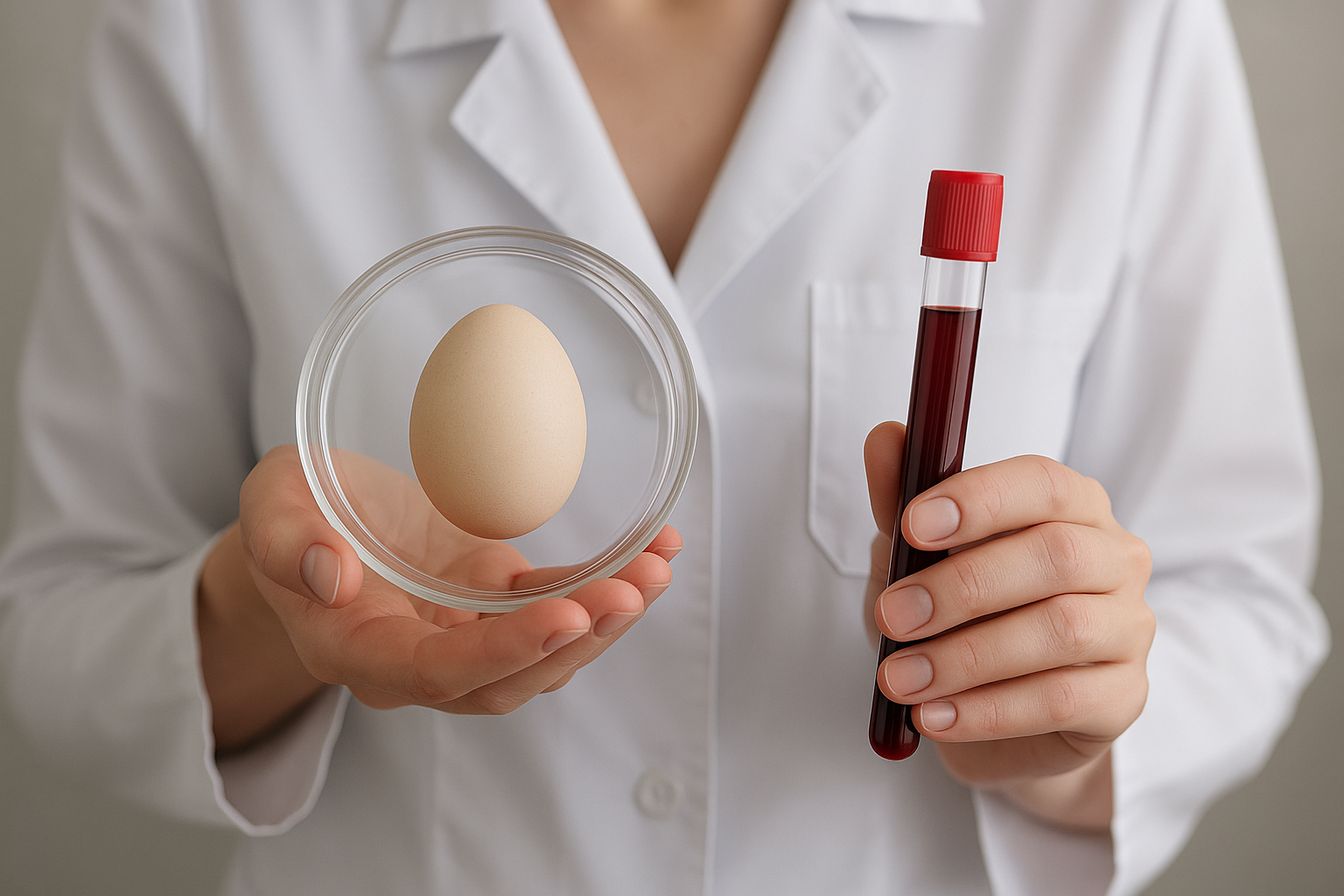
Understanding Egg Donation: An In-Depth Exploration
Egg donation is a medical procedure and fertility option that allows individuals or couples to have children when they might not be able to conceive naturally. Recent advancements in reproductive technology, coupled with an increasing acceptance of diverse family structures, have led to a rise in the number of people considering egg donation as a viable path to parenthood.
What is Egg Donation?
Egg donation involves a process where a woman, known as the egg donor, provides one or several eggs to assist another individual or couple in conceiving a child. This is generally facilitated by fertility clinics or egg donation centers, which offer medical, legal, and psychological support throughout the process.
Who Needs Egg Donation?
There are several reasons why an individual or couple might consider egg donation:
- Infertility Treatment: Women who struggle with infertility due to poor egg quality or genetic concerns often seek egg donors to increase the chances of becoming pregnant.
- Same-Sex Male Couples: Gay couples may also use egg donation in conjunction with surrogacy to have biological children.
- Medical Conditions: Conditions such as premature ovarian failure or having undergone treatments like chemotherapy can make egg donation a necessary option.
The Egg Donation Process
The egg donation process is comprehensive, ensuring both the health and well-being of the donor and the success of the recipient's pregnancy. Here's a step-by-step breakdown:
Screening and Selection
First, potential donors are carefully screened. This involves physical and psychological evaluations, medical history reviews, and thorough genetic testing. Programs are selective, typically accepting only a small percentage of applicants.
Ovarian Stimulation
Once selected, donors undergo a regimen of fertility drugs to stimulate the ovaries to produce multiple eggs. This typically lasts between 10 to 14 days and involves regular visits to the clinic for monitoring.
Egg Retrieval
The eggs are surgically retrieved in a procedure known as transvaginal ultrasound aspiration. This outpatient procedure takes around 20 to 30 minutes, and donors generally recover quickly.
Legal and Ethical Considerations
Egg donation involves significant medical, legal, and ethical considerations. Here's what you need to know:
- Legal Agreements: Legal contracts are crucial to outline the rights and responsibilities of both parties, including confidentiality and future contact.
- Compensation: Donors typically receive compensation for their time and effort, though the amounts and regulations vary by locale and clinic.
- Ethical Concerns: Concerns include the commodification of human eggs and the potential exploitation of donors. Rigorous ethical guidelines help mitigate these issues.
Success Rates and Considerations
The success of egg donation can vary. In 2026, studies show that the live birth rate per transfer using egg donation stands at approximately 55%.[1] These numbers are encouraging but should be considered alongside other individual variables such as age, health, and clinic expertise.
Choosing the Right Egg Donation Center
Deciding where to go for egg donation is crucial. Prospective parents should consider:
- Reputation: Look for centers with a strong success record and favorable reviews.
- Accreditation: Accredited clinics adhere to high standards in patient care and clinic operations.
- Personalized Care: Centers offering personalized support and counseling typically provide better outcomes and experiences.
The Donor's Perspective
Many donors find the experience rewarding, knowing they are helping families bring a new life into the world. However, it's also a commitment. Potential donors should be aware of the time investment and any physical side effects they may experience.
Conclusion
Egg donation is a remarkable opportunity for many individuals and families seeking to overcome infertility barriers. As the procedure and associated ethical considerations are continuously refined, it remains a pivotal option in the realm of assisted reproductive technology.
Whether one is considering donating eggs or receiving them, a balanced understanding of the medical, ethical, and emotional facets of this journey can help ensure a well-informed and enriching experience.
For more detailed guidelines and statistics, FertilityIQ[2] and the Society for Assisted Reproductive Technology (SART)[3] provide comprehensive resources.