Understanding the Role of Vaseline in Managing Ichthyosis Vulgaris
When managing ichthyosis vulgaris, you've likely looked at that simple jar of Vaseline and wondered if it could actually help. The short answer is yes, it can be a powerful tool, but its effectiveness depends heavily on *how* you use it.
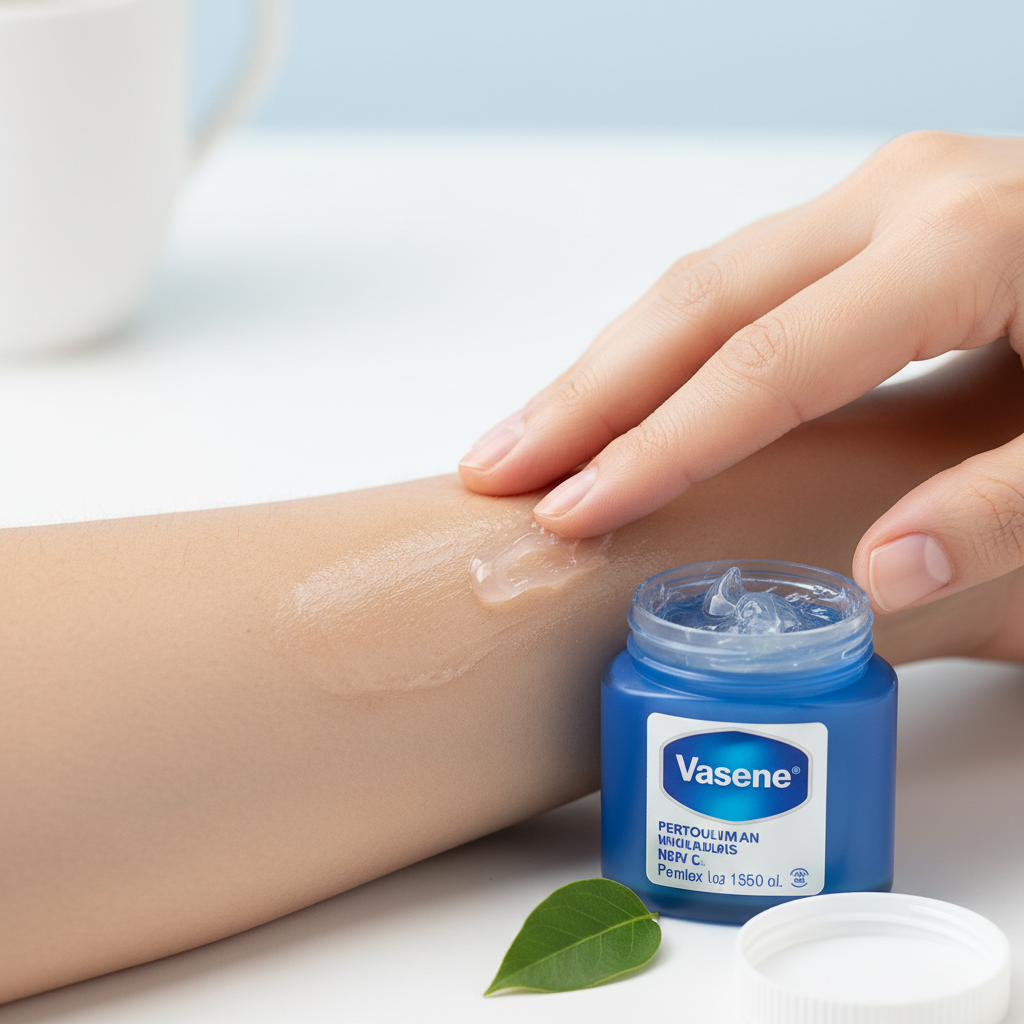
Is Vaseline Good For Ichthyosis Vulgaris?
Living with ichthyosis vulgaris means constantly searching for effective ways to manage dry, scaly, and thickened skin. It's a condition that requires diligent, daily moisturizing to maintain the skin's barrier and provide comfort. Among the myriad of products available, one of the most common, accessible, and time-tested options is Vaseline, or petroleum jelly. The question many people ask is whether this simple, one-ingredient product is truly effective for a complex genetic skin condition like ichthyosis vulgaris.
The short answer is yes, Vaseline can be an excellent and highly beneficial tool in the management of ichthyosis vulgaris for many individuals. Its effectiveness lies in its unique properties and how they address the core issues of the condition. However, understanding how it works, its specific benefits, potential considerations, and the best way to use it is key to getting the most out of this simple yet powerful emollient.
How Vaseline (Petroleum Jelly) Works on the Skin
To understand why Vaseline is often recommended for ichthyosis, it's important to grasp its fundamental mechanism of action. Vaseline is the brand name for 100% pure petroleum jelly, which is classified as an occlusive agent. The term "occlusive" means that it forms a protective, water-repellent barrier over the surface of the skin.
Unlike moisturizers that contain humectants (which draw water into the skin) or emollients (which smooth the skin), occlusives like Vaseline work by physically blocking transepidermal water loss (TEWL). TEWL is the process by which water evaporates from the skin's surface into the atmosphere. In individuals with ichthyosis vulgaris, the skin barrier is impaired, leading to a much higher rate of TEWL. This results in the chronic dryness, cracking, and scaling characteristic of the condition. By applying Vaseline, you create a seal that traps existing moisture in the skin, keeping it hydrated for longer.
The Key Benefits of Using Vaseline for Ichthyosis Vulgaris
For those managing ichthyosis, Vaseline offers several distinct advantages that make it a go-to product recommended by many dermatologists.
Superior Moisture Sealing
As mentioned, Vaseline's primary strength is its occlusive power. It is one of the most effective occlusive agents available, capable of reducing transepidermal water loss by over 98%. This is incredibly valuable for ichthyosis, where the skin's natural ability to retain moisture is severely compromised. By locking in water, especially after a bath or shower, it helps to soften the skin's scales and reduce the tight, uncomfortable feeling associated with extreme dryness.
Protects the Skin Barrier
The skin of someone with ichthyosis vulgaris has a weakened barrier, making it more susceptible to irritants, allergens, and environmental damage. The thick barrier created by Vaseline not only locks in moisture but also shields the skin from external factors. It can help prevent cracking and fissures, which are not only painful but can also become entry points for infection. This protective layer gives the underlying skin a better environment in which to heal.
Minimal and Gentle Ingredients
One of the biggest challenges with ichthyosis is skin sensitivity. Many lotions and creams contain fragrances, preservatives, and other chemicals that can cause irritation, stinging, or allergic reactions. Vaseline contains only one ingredient: 100% pure petroleum jelly. This hypoallergenic and non-comedogenic (meaning it won't clog pores for most people) formula makes it one of the safest and least irritating options available, suitable for even the most sensitive skin types.
Cost-Effective and Accessible
Managing a chronic skin condition can be expensive, with specialized creams and lotions costing a significant amount. Vaseline is widely available in nearly every pharmacy and supermarket at a very low cost. Its affordability makes it possible to use it liberally and consistently, which is crucial for the effective management of ichthyosis vulgaris.
Potential Downsides and Considerations
While Vaseline is highly beneficial, there are a few considerations to keep in mind.
- Greasy Texture: The most common complaint about Vaseline is its thick, greasy feel. It can feel heavy on the skin and may stain clothing and bedding. For this reason, many people prefer to apply it generously at night.
- It Doesn't Add Moisture: It's critical to remember that Vaseline is an occlusive, not a humectant. It doesn't draw moisture into the skin; it only traps the moisture that is already there. This is why it is most effective when applied to damp skin.
- Not Ideal for All Areas: While generally non-comedogenic, individuals prone to acne on the face or back may want to use it cautiously in those areas or opt for a lighter formulation.
How to Use Vaseline Effectively for Ichthyosis Vulgaris
To maximize the benefits of Vaseline for managing ichthyosis, follow these simple but effective steps:
- Soak First: The best time to apply any moisturizer, especially an occlusive, is after a bath or shower. Soak in lukewarm water for 10-15 minutes to allow the skin to absorb as much water as possible. Avoid hot water, as it can strip the skin of its natural oils.
- Pat, Don't Rub: After bathing, gently pat your skin with a soft towel, leaving it slightly damp. Do not rub the skin dry completely.
- Apply Liberally: While the skin is still damp, apply a generous layer of Vaseline. This will seal in the water that your skin just absorbed from the bath. Massage it gently into the skin, paying extra attention to the driest and most scaly areas.
- Consider "Soak and Smear": For severe cases, many dermatologists recommend a technique known as "soak and smear." This involves soaking in the bath and immediately applying a thick layer of Vaseline to the damp skin without any toweling. You can then put on old pajamas or cotton clothing to protect your sheets and allow the product to work overnight.
Understanding Ichthyosis Vulgaris: More Than Just Dry Skin
To truly appreciate why a simple product like Vaseline can be so effective, it's helpful to understand the underlying cause of ichthyosis vulgaris. It is not just "dry skin"; it's a genetic condition that affects the skin's life cycle. The name itself comes from the ancient Greek word "ichthys," meaning fish, which alludes to the fish-like scales that are a hallmark of the condition.
Ichthyosis vulgaris is primarily caused by a mutation in the gene that codes for a protein called filaggrin. Filaggrin plays a vital role in forming and hydrating the stratum corneum, the outermost layer of the skin. This protein helps bind keratin fibers into tight bundles, creating a strong and cohesive skin barrier. When filaggrin is deficient or absent, this process is disrupted. As a result, the skin cells do not shed properly (a process called desquamation), and they build up on the surface. This buildup, combined with the skin's inability to retain water, leads to the characteristic thick, dry scales. The condition typically appears in early childhood and often improves with age, though it usually requires lifelong management.
Related Topics and Common Questions
What Other Over-the-Counter Products Help with Ichthyosis Vulgaris?
While Vaseline is an excellent occlusive, a comprehensive skincare routine for ichthyosis often involves other types of products. Combining different moisturizers can provide more complete care. Products containing humectants are beneficial because they actively draw moisture from the deeper layers of the skin and the air into the epidermis. Look for ingredients like glycerin, hyaluronic acid, and urea.
Additionally, keratolytics are agents that help break down the outer layer of the skin and encourage the shedding of scales. Over-the-counter lotions containing alpha-hydroxy acids (AHAs) like lactic acid and glycolic acid, or urea in higher concentrations (10-20%), can be very effective. Many people find success by alternating products—for example, using a lotion with lactic acid or urea in the morning to help with exfoliation and then applying a thick layer of Vaseline at night to seal in moisture and protect the skin.
Are There Natural Alternatives to Vaseline for Ichthyosis?
For those who prefer to avoid petroleum-based products, there are several natural occlusive and emollient alternatives that can help manage ichthyosis. While they may not be as potently occlusive as petroleum jelly, they can still provide significant relief. Shea butter is a popular choice; it is rich in fatty acids and vitamins and has both emollient and occlusive properties, helping to soften and seal the skin.
Coconut oil is another option known for its moisturizing capabilities, though some find it less effective for severe dryness than shea butter or Vaseline. Lanolin, derived from sheep's wool, is an extremely effective occlusive and emollient, very similar in function to the skin's natural oils. However, it is a more common allergen than petroleum jelly, so it should be patch-tested first. These natural options can be used in the same way as Vaseline—applied to damp skin after bathing to lock in moisture.
When Should You See a Doctor for Ichthyosis Vulgaris?
While ichthyosis vulgaris can often be managed with a diligent over-the-counter skincare routine, there are times when consulting a dermatologist is essential. You should make an appointment if your symptoms are severe and not responding to your current regimen, or if the skin becomes extremely painful, develops deep, bleeding cracks (fissures), or shows signs of infection (such as redness, swelling, warmth, or pus).
A dermatologist can confirm the diagnosis and rule out other skin conditions. They can also prescribe more potent topical treatments, such as prescription-strength retinoids (like tazarotene or tretinoin) which help control skin cell turnover, or higher concentrations of keratolytics like lactic acid or salicylic acid. In very severe cases, oral retinoids may be considered. A medical professional can help you develop a safe and effective long-term management plan tailored to your specific needs.
Conclusion
For individuals managing the daily challenges of ichthyosis vulgaris, Vaseline (petroleum jelly) stands out as a simple, safe, and highly effective tool. Its powerful occlusive properties create a protective barrier that locks in essential moisture, soothes dryness, and helps protect the compromised skin barrier from external irritants. While its greasy texture can be a drawback for some, its benefits—especially when applied correctly to damp skin—are undeniable. By incorporating this affordable and accessible product into a consistent skincare routine, many people with ichthyosis vulgaris can achieve significant improvements in their skin's hydration, comfort, and overall health.