Understanding the Safety of Reverse Mortgages for Senior Veterans
Are you a senior veteran considering financial options? Reverse mortgages might be worth exploring, but it's crucial to understand their implications. While they offer unique benefits, it's important to weigh potential risks.
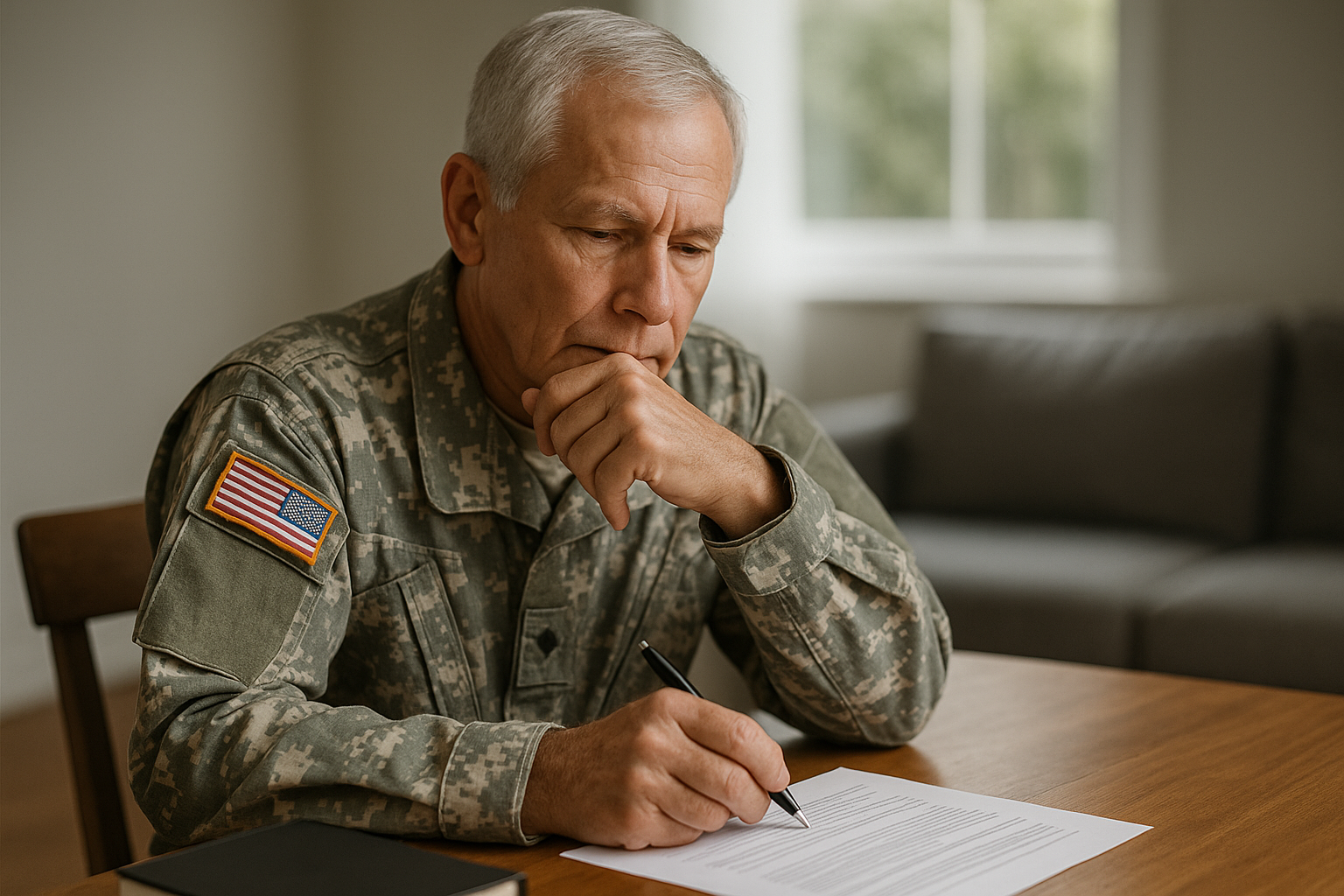
Understanding Reverse Mortgages
Reverse mortgages are a financial product available to senior homeowners who want to access the equity they have built up in their homes. Unlike traditional mortgages, where homeowners make monthly payments, reverse mortgages allow senior homeowners to receive payments. These payments can be lump sum, monthly, or in the form of a line of credit.
How Do Reverse Mortgages Work?
Reverse mortgages work by allowing homeowners aged 62 or older to borrow against the equity in their homes. The loan doesn't need to be repaid until the homeowner sells the house, moves out permanently, or passes away. It is designed to provide seniors with additional income in retirement.
- The homeowner must get the appraised value of their home determined.
- The lender then calculates the loan amount based on a percentage of the home's equity.
- The borrower receives the funds, and the loan interest is added to the mortgage balance.
The Different Types of Reverse Mortgages
There are three main types of reverse mortgages:
- Home Equity Conversion Mortgages (HECMs): Insured by the Federal Housing Administration, these are the most common type of reverse mortgage.
- Proprietary Reverse Mortgages: Private loans offered by individual firms, often for homes with higher appraised values.
- Single-purpose Reverse Mortgages: Offered by some state and local government agencies, used for specific needs like home repairs or property taxes.
Are Reverse Mortgages Safe for Senior Veterans?
This is a crucial question for veterans considering using a reverse mortgage. While these loans have the potential to provide financial relief, they come with both benefits and drawbacks that need careful consideration.
Benefits for Senior Veterans
- Income Supplement: Helps provide financial relief by supplementing retirement income.
- No Monthly Mortgage Payments: Offers the financial flexibility of living without a mortgage payment.
- Access to Funds: Grants access to home equity without having to move out.
- VA Benefits Compatibility: Typically doesn't affect most veterans' benefits like pensions.
Potential Risks and Drawbacks
- Accumulating Interest: The loan balance increases over time as interest accrues.
- Impact on Inheritance: Could diminish the value of an estate intended for heirs.
- Fees and Costs: Closing costs and fees can be high, diminishing the net benefit.
- Risk of Foreclosure: While borrowers don't make monthly payments, failure to pay property taxes or insurance can lead to foreclosure.
It's essential for senior veterans to thoroughly understand the implications of reverse mortgages and consider consulting with a financial advisor who specializes in veteran affairs before proceeding.
Recent Trends and Statistics
Recent studies show a growing number of seniors, including veterans, are considering reverse mortgages as part of their retirement planning. According to the National Reverse Mortgage Lenders Association, as of 2026, the reverse mortgage market has seen a steady growth rate due to the aging population and rising home values (source: NRMLA).
Additionally, a report by the American Housing Survey noted an increase in the awareness and understanding of reverse mortgages among seniors, which has led to increased uptake (source: US Census Bureau).
Real-Life Example
John Doe, a retired Navy veteran living in Florida, had built substantial equity in his home over 30 years. Struggling with monthly expenses, he chose a reverse mortgage for financial relief. The additional income allowed him to cover medical expenses and indulge in leisure activities he couldn’t afford otherwise. John regularly recommends fellow veterans consider it but advises seeking consultations to ensure it's the right fit (source: U.S. Department of Veterans Affairs).
Conclusion: Making an Informed Decision
Whether a reverse mortgage is a safe option for senior veterans depends on individual circumstances, financial goals, and needs. It is crucial that veterans evaluate all aspects, consult with knowledgeable advisors, and consider the impact on their estate and family. A reverse mortgage can be a strategic tool for financial security in retirement if managed wisely.