Understanding the Schedule for 2026 Retirement Benefits Payouts
Curious about when retirement benefits will be paid in 2026? Discover key insights and projections to help you plan. While specific dates aren't set in stone, understanding the general timeline can ease your retirement journey.
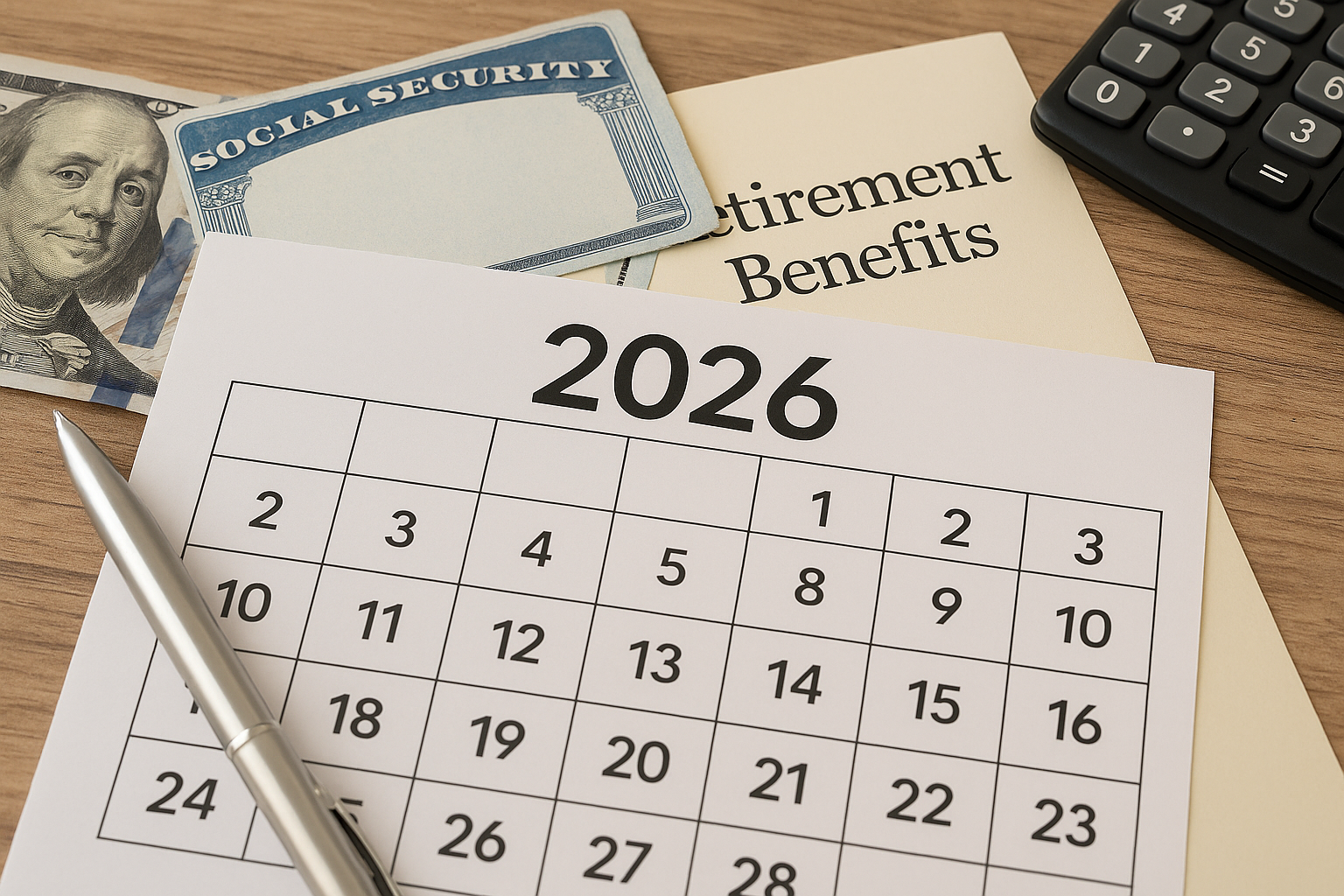
Understanding Retirement Benefits in 2026
Many Americans eagerly anticipate retirement, looking forward to the leisure and freedom it promises. However, understanding when and how you will receive your retirement benefits is an integral part of planning for this chapter of life. With the year 2026 upon us, it's crucial to have up-to-date information on retirement benefits, especially given recent policy changes and economic trends.
When Will Retirement Benefits Be Paid in 2026?
For those who are reaching retirement or already retired, knowing the schedule for benefit payments in 2026 is essential. Generally, Social Security retirement benefits are paid on a monthly basis. The specific date within each month depends on the birth date of the recipient:
- If your birthday falls on the 1st-10th of the month, benefits are paid on the second Wednesday.
- If your birthday falls on the 11th-20th, benefits are paid on the third Wednesday.
- If your birthday falls on the 21st-31st, benefits are paid on the fourth Wednesday.
This schedule ensures that payments are distributed evenly across the month and helps the Social Security Administration (SSA) manage the distribution process efficiently. In the event that your payment date falls on a national holiday, benefits are typically paid the day before.
Factors Influencing Your Retirement Benefits
Several factors influence the amount and timing of your retirement benefits, including your age, income history, and the age at which you choose to start receiving benefits. Here are key considerations:
- Full Retirement Age (FRA): Most retirees begin receiving full Social Security benefits at the age of 67 if they were born after 1960. The amount received is affected by the age at which you start claiming benefits. Opting for early retirement at 62 reduces your benefits, whereas delaying until age 70 can increase them.
- Work History: Your benefits are calculated based on the average of your highest 35 years of earnings. Greater earnings result in higher benefits.
- Cost of Living Adjustments (COLA): Adjustments for inflation occur annually, impacting the amount you receive. The COLA increase for 2026 is projected to be around 3.2%, ensuring that benefits keep pace with inflation.
Changes and Considerations in 2026
In 2026, there are some vital updates and considerations to be aware of regarding retirement benefits:
- Medicare Costs: Medicare premiums have seen slight increases in 2026. Those retiring will need to account for these costs when planning their retirement budget.
- Legislative Changes: Recently passed legislation has provided enhancements in retirement savings options, including increased catch-up contribution limits to IRAs and 401(k) plans.
- Online Tools and Resources: The SSA has enhanced its online tools, allowing beneficiaries easier access to their benefits information and planning resources. It's crucial to create an account on the SSA's My Social Security platform to manage your benefits effectively.
Preparing for a Secure Retirement
Preparing for a successful retirement requires proactive planning and informed decision-making. Here are some strategies to help ensure a secure financial future:
- Understand Your Benefits: Utilize tools like the Social Security Retirement Estimator to get an approximation of your benefits based on real earnings records.
- Diversify Retirement Savings: Consider various retirement accounts and investments. Besides Social Security, accounts like IRAs, 401(k)s, and health savings accounts (HSAs) can provide additional security.
- Review Estate Plans Regularly: Ensure wills, trusts, and beneficiaries are up-to-date to avoid potential legal issues that could affect your family's financial wellbeing after retirement.
Real-World Examples
Consider the case of Jane, who retired at age 67, her full retirement age, after having worked for 40 years. Jane receives Social Security benefits, a pension, and has savings in her IRA. Thanks to a strategic mix of these income sources, she comfortably manages her monthly expenses, which include Medicare premiums and living costs. On the other hand, her friend Tom, who pursued early retirement at age 62, receives reduced benefits and needs to supplement his income by working part-time. Real-world scenarios underscore the importance of careful planning and understanding the long-term impacts of your retirement decisions.
Conclusion: Staying Informed
In 2026, staying informed about retirement benefits is more crucial than ever. With ongoing economic shifts and legislative changes, understanding the timing, factors, and strategies for optimizing your benefits can make a significant difference in your retirement planning. Make a practice of reviewing updates from trusted sources like the Social Security Administration to ensure you are making the most informed decisions for your future.
SSA Schedule of Social Security Payments
Official 2026 Social Security Benefit Payment Calendar (PDF)