Understanding the Serious Side of Lichen Planus: How Severe Can It Become?
Lichen planus is an unpredictable condition, with severity ranging from a mild skin rash that resolves on its own to much more persistent and challenging forms.
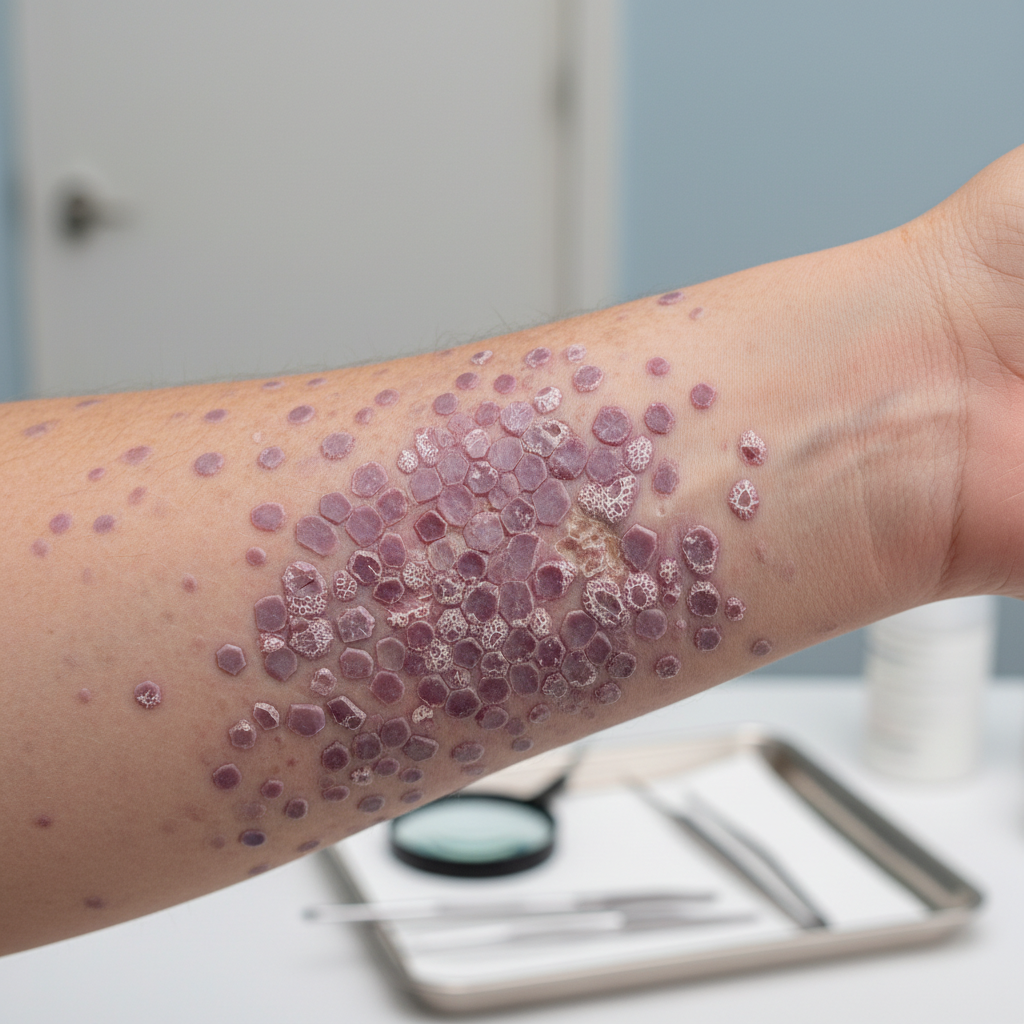
How Severe Can Lichen Planus Get? A Detailed Look
Lichen planus is an inflammatory condition that can affect the skin, hair, nails, and mucous membranes. While many people experience a relatively mild and self-limiting form of the disease, its severity can vary dramatically from person to person. Understanding the full spectrum of its potential impact is crucial for recognizing symptoms and understanding the condition's progression. The severity is often categorized based on the extent of the lesions, the symptoms they cause, and their impact on an individual's quality of life.
Understanding the Spectrum of Lichen Planus Severity
Lichen planus isn't a one-size-fits-all condition. It exists on a continuum from a minor, temporary nuisance to a chronic, debilitating problem. Here’s a breakdown of how its severity is generally classified.
Mild Lichen Planus
For many individuals, lichen planus presents in a mild form. This typically involves a small number of lesions in a localized area, most commonly on the wrists, ankles, or lower back. The classic skin lesions are small, purplish, flat-topped bumps (papules) that can be quite itchy. In mild cases, the itchiness might be manageable and intermittent. The lesions may appear over a few weeks, persist for several months, and then slowly resolve on their own, sometimes leaving behind dark brown or gray spots on the skin (post-inflammatory hyperpigmentation) that can take months or even years to fade completely.
In its mildest form, lichen planus might not significantly interfere with daily activities. Oral lichen planus, when mild, can present as fine, white, lacy lines inside the cheeks (known as Wickham's striae) and may not cause any pain or discomfort. Similarly, mild nail involvement could manifest as slight ridging or thinning of one or two nails. At this level, the condition is often more of a cosmetic concern than a painful or physically limiting one.
Moderate Lichen Planus
As the condition progresses to a moderate level, the symptoms become more pronounced and widespread. An individual might have numerous lesions covering larger areas of the body. The itching (pruritus) associated with moderate skin lichen planus can be intense and persistent, often disrupting sleep and causing significant distress. The sheer number of papules can make the skin feel rough and uncomfortable, and constant scratching can lead to skin damage and potential secondary infections.
In moderate oral lichen planus, the white lacy patterns may be accompanied by red, inflamed areas and mild soreness. This can make eating spicy, salty, or acidic foods uncomfortable. Nail involvement can become more noticeable, affecting multiple nails with deeper grooves, thinning, or splitting. At this stage, the condition starts to have a more tangible impact on a person's daily life, affecting comfort, sleep, and dietary choices. The cosmetic impact is also greater due to the wider distribution of lesions.
Severe Lichen Planus
Severe lichen planus is characterized by widespread, persistent, and highly symptomatic lesions that can significantly impair quality of life. This level of severity often involves more aggressive and challenging forms of the disease. For instance, hypertrophic lichen planus, which typically appears on the shins, involves very thick, scaly, and extremely itchy plaques that can be difficult to treat and may lead to scarring.
The most severe presentations often involve the mucous membranes. Erosive oral lichen planus is a particularly painful form where the lining of the mouth develops raw, open sores (erosions or ulcers). These sores can make eating, drinking, speaking, and even oral hygiene excruciatingly painful, sometimes leading to weight loss and nutritional deficiencies. Similarly, lichen planus affecting the genital or esophageal areas can cause severe pain, scarring, and functional problems, such as pain during intercourse or difficulty swallowing (dysphagia).
In its most severe and rarest forms, lichen planopilaris (affecting the scalp) can lead to permanent, scarring hair loss. Severe nail lichen planus can result in the complete and permanent destruction of the nail plate. These severe manifestations are not just physically painful but can also have a profound psychological impact, leading to anxiety, depression, and social withdrawal due to the chronic pain and visible nature of the condition.
What Triggers Lichen Planus and Why Does It Vary?
Understanding the severity of lichen planus also involves looking at its underlying cause and triggers. Lichen planus is considered an autoimmune disorder, where the body's immune system mistakenly attacks its own skin or mucosal cells. The exact reason why this happens is not fully understood, but it's believed that a combination of genetic predisposition and environmental triggers plays a role. The severity and manifestation of the disease can be influenced by these factors.
Certain triggers have been identified that can either initiate or exacerbate a flare-up of lichen planus in susceptible individuals. These can include certain medications, such as some blood pressure drugs, NSAIDs, and beta-blockers. Systemic illnesses, like the hepatitis C virus, have a well-documented association with lichen planus. Physical and emotional stress are also thought to be significant triggers, potentially explaining why some people experience flare-ups during difficult periods in their lives. The specific trigger, if one can be identified, and an individual's unique immune response are what ultimately dictate whether the condition presents as a mild, localized rash or a severe, systemic problem.
Related Questions and Topics
Can Lichen Planus Affect Internal Organs?
This is a common and understandable concern, especially for those experiencing severe symptoms. The overwhelming majority of lichen planus cases are limited to the skin, hair, nails, and mucous membranes (like the mouth and genitals). Direct involvement of internal organs is considered extremely rare. However, there are some important indirect associations and very uncommon manifestations to be aware of.
The most significant concern is related to erosive lichen planus of the mucous membranes. Chronic, long-standing erosive lesions, particularly in the mouth or on the genitals, carry a small but increased risk of developing into a type of skin cancer called squamous cell carcinoma over time. This is not an internal organ effect but rather a malignant transformation of the affected surface tissue. For this reason, regular monitoring by a dermatologist or specialist is crucial for anyone with the erosive form of the disease.
Another area of focus is the esophagus. Lichen planus can affect the lining of the esophagus, leading to inflammation, narrowing (strictures), and difficulty swallowing. While the esophagus is part of the digestive tract, this is still considered a mucosal manifestation rather than an "internal organ" disease in the way one might think of the liver or kidneys. True involvement of organs like the liver is typically linked to an associated condition, such as hepatitis C, rather than being a direct consequence of lichen planus itself.
Is Lichen Planus a Lifelong Condition?
The duration of lichen planus is highly variable and depends on the type and severity. For many people, especially those with the classic skin-only form, the condition is not lifelong. A typical case of cutaneous (skin) lichen planus often resolves on its own within 6 to 18 months. While the lesions go away, the post-inflammatory hyperpigmentation may linger for much longer, but the active disease process stops.
However, when lichen planus affects the mucous membranes, it tends to be more chronic and persistent. Oral, genital, or esophageal lichen planus can last for many years, sometimes decades. These forms of the disease often follow a pattern of remissions and relapses, where symptoms improve for a period and then flare up again, often in response to triggers like stress or illness. Similarly, lichen planopilaris (scalp) and nail lichen planus are often chronic and can lead to permanent changes like scarring hair loss or nail destruction.
Therefore, while some individuals may have a single, self-resolving episode, others may need to manage lichen planus as a long-term, chronic condition. The goal of management in these chronic cases is to control symptoms, reduce inflammation, prevent scarring, and monitor for any long-term complications.
Conclusion
Lichen planus is a complex condition with a wide range of severity. While many cases are mild and resolve on their own, the condition has the potential to become severe, chronic, and debilitating. The severity depends on the areas of the body affected, the type of lesions present, and the intensity of symptoms like pain and itching. Severe forms, such as erosive oral lichen planus or lichen planopilaris, can cause significant physical discomfort, functional impairment, and permanent scarring, deeply affecting an individual's quality of life. Understanding this spectrum is the first step in recognizing the potential impact of the disease.