Understanding the True Out-of-Pocket Costs: Leasing Vs. Financing a 2026 Audi RS 6 Avant Performance
Curious about the costs of leasing versus financing a 2026 Audi RS 6 Avant Performance? Understanding the outofpocket expenses can help you make an informed decision. Explore the potential differences in initial payments, monthly installments, and potential benefits of each option.
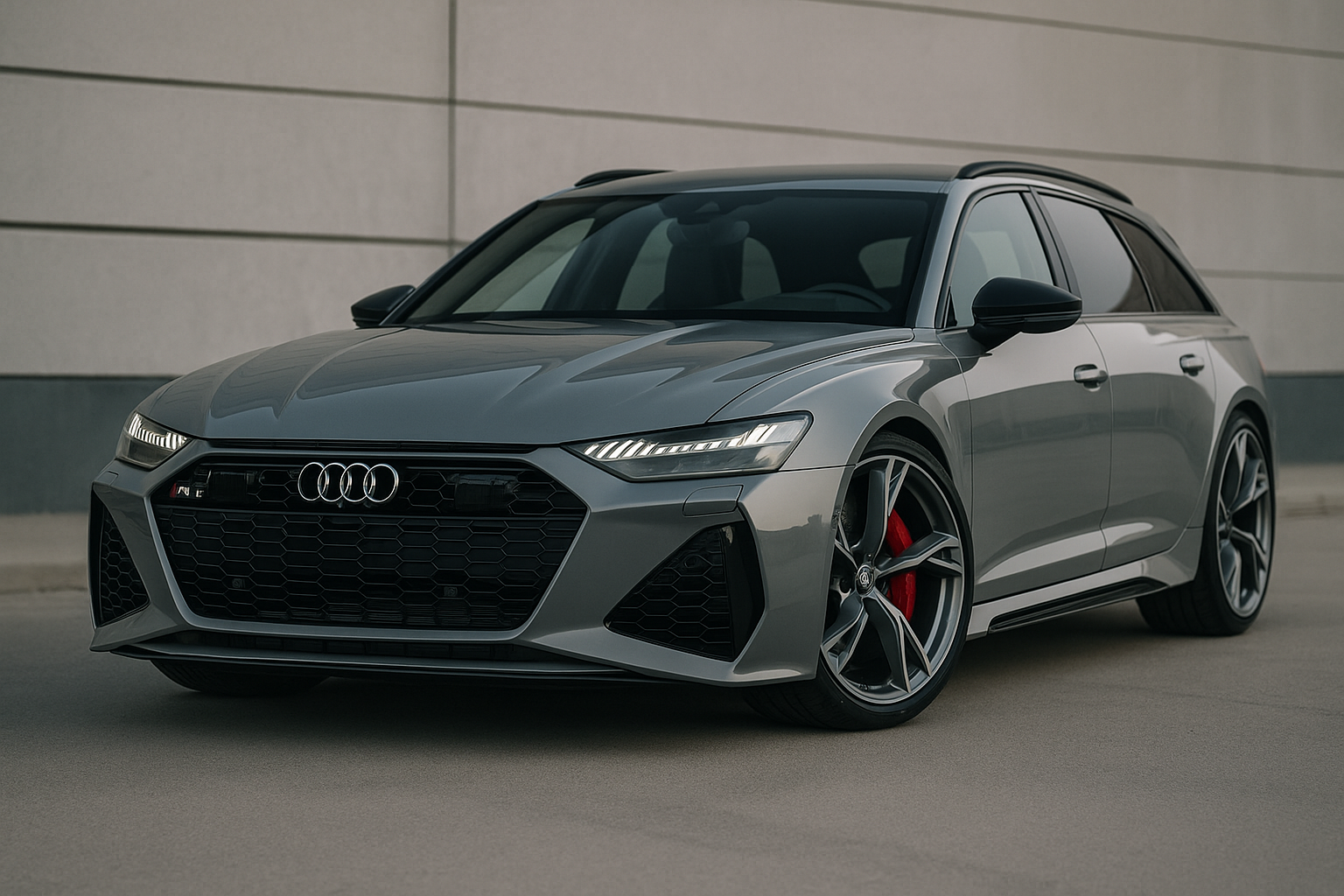
Understanding the Out-of-Pocket Costs: Lease vs. Finance
When it comes to acquiring a high-performance vehicle like the 2026 Audi RS 6 Avant Performance, potential buyers often face the decision of whether to lease or finance. Both options have distinct financial implications that can influence long-term expenses and overall convenience.
Lease vs. Finance: What Do These Terms Mean?
To make an informed decision, it's crucial to understand the difference between leasing and financing:
- Leasing: Leasing a vehicle means you’re essentially renting it from a dealership for a specific period, usually two to three years. At the end of this term, you can return the vehicle, lease another, or in some cases, even purchase the car.
- Financing: Financing means taking out a loan to purchase the vehicle. You make regular payments towards this loan until you fully own the vehicle. Ownership comes with the flexibility of keeping the vehicle for as long as you want or selling it at your convenience.
Key Considerations for Leasing an Audi RS 6 Avant Performance
Initial Costs
One advantage of leasing the Audi RS 6 Avant is the typically lower initial costs. This usually involves:
- First-month payment
- A security deposit (occasionally required)
- Acquisition fee
- Any fees related to taxes, registration, and title
These upfront costs are generally lower than what you'd face with financing. For the 2026 model, upfront costs for leasing might range between $3,000 to $5,000 depending on the specifics of the deal and your location.
Monthly Payments
Your monthly lease payments will often be lower than financing payments. To illustrate, if leasing the 2026 Audi RS 6 Avant Performance, estimated monthly payments could range from $1,200 to $1,500. These costs are impacted by factors such as:
- The negotiated sale price of the vehicle
- The length of the lease term
- Current interest rates
- The agreed-upon mileage limits
Maintenance and Mileage Considerations
Leases usually include mileage limits (often around 10,000 to 15,000 miles per year). Exceeding these limits can result in additional costs at the end of the lease term. However, leased vehicles may come with benefits like included maintenance, reducing unexpected expenses. The 2026 Audi RS 6 Avant might also feature dealerships offering comprehensive maintenance packages as part of the lease deal.
Key Considerations for Financing an Audi RS 6 Avant Performance
Initial Costs
When financing, the initial costs can be higher because they include the down payment plus taxes, registration, and dealer fees all up-front. For a 2026 Audi RS 6 Avant Performance, buyers might expect to put down approximately 10% to 20%, translating to an initial payment of $11,000 to $22,000 depending on the car's price point.
Monthly Payments
Monthly payments for financing are generally higher since you're paying off the full price of the vehicle over your loan term, which typically ranges from 36 to 72 months. For most, financing a 2026 Audi RS 6 Avant could mean monthly payments in the range of $2,000 to $2,500 depending on the length of the loan and your credit history.
Maintenance and Ownership Benefits
Owning the car offers the advantage of unfettered use with no mileage limits. Any modifications, long-distance trips, or changes in the vehicle’s condition do not incur additional costs—except those needed for maintenance or repairs. Moreover, owning a high demand model like the Audi RS 6 Avant means that you can potentially recoup more costs when selling the car later, given proper maintenance and market conditions.
Making the Decision: Lease or Finance?
The decision between leasing and financing should consider personal circumstances, including budget, driving habits, and future plans:
- Short-term Commitment: Leasing might appeal to those who enjoy driving a new car every few years without the commitment of ownership or for those with a stable, predictable driving pattern.
- Long-term Ownership: Financing is likely ideal for those who intend to keep their vehicle for many years or anticipate increased yearly mileage.
Ultimately, both options offer unique benefits. The key to a wise decision is to review your financial situation, lifestyle needs, and long-term vehicular plans.
Current Market Trends (2026)
The automotive sector in 2026 has seen fluctuating interest rates, often driven by broader economic factors. As per the 2026 Car Market Analysis, there's a growing trend towards leasing, likely due to its flexibility and the allure of constantly driving newer models.
Moreover, with increased telecommuting, some drivers find that owning a vehicle might be more economically feasible if the car is used less often, possibly reducing potential extra leases charges related to mileage.