Understanding the Uber Personal Auto Insurance Gap: What Every Driver Needs to Know
Learn about the potential gaps that might exist between Uber's insurance and your personal auto policy. Discover how to protect yourself and ensure you're properly covered when driving for Uber. Understanding Uber personal auto insurance gaps can save you from unexpected expenses.
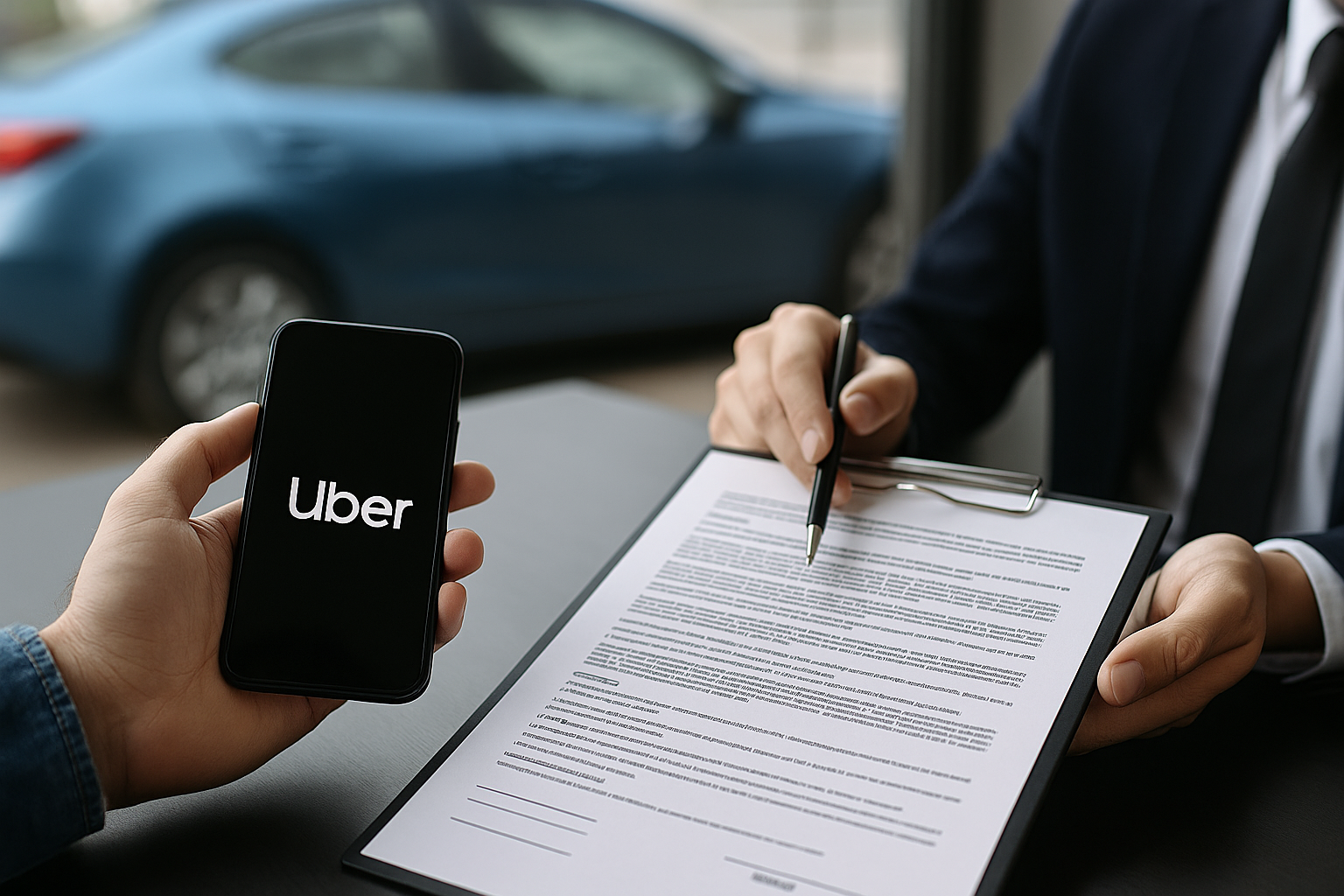
Understanding Uber Personal Auto Insurance Gap
In today’s gig economy, driving for ride-sharing companies like Uber has become a popular way to earn extra income. However, one of the critical aspects that drivers must consider is insurance coverage, especially the often misunderstood "Uber Personal Auto Insurance Gap."
What is the Uber Personal Auto Insurance Gap?
The Uber Personal Auto Insurance Gap refers to the coverage shortfall that can occur between your personal auto insurance and the coverage Uber provides while you are driving for them. The gap emerges in specific scenarios, particularly when you're logged into the Uber app but haven't accepted a ride yet. During this phase, known as "Period 1," your personal insurance typically doesn't cover you, and Uber's own insurance offers only limited coverage.
Why is the Insurance Gap a Concern for Uber Drivers?
Understanding the insurance gap is essential for drivers since it poses significant financial risks. If you're driving around waiting for a ride request (Period 1) and get into an accident, you could find yourself responsible for significant costs because:
- Your personal insurance policy might deny the claim if they know you were driving for Uber or other ride-sharing initiatives.
- Uber's contingent liability coverage is lesser during Period 1, typically covering only third-party liabilities and may not cover damage to your car.
This uninsured phase can lead to considerable out-of-pocket expenses unless you take proactive steps to bridge this gap.
How to Protect Yourself from Insurance Gaps
To safeguard against the Uber Personal Auto Insurance Gap, there are actionable strategies you can implement:
- Commercial Ride-Share Insurance: Some insurance providers offer specific policies for ride-share drivers that work in conjunction with personal and Uber's insurance, effectively covering the "gaps" in traditional insurance plans.
- Policy Endorsements: Check if your current insurer offers a ride-sharing insurance policy endorsement which can extend your personal insurance coverage during Period 1 or beyond.
- Review Uber’s Policies: Understanding the conditions and extents of Uber's insurance coverage will enable you to assess the adequacy and take needed precautions to fill in the coverage shortfalls.
Real-World Example of the Gap in Action
Consider Sarah, an Uber driver in Los Angeles, who encountered an at-fault accident while logged into the Uber app waiting for a ride request. Without a ride-sharing endorsement on her personal policy, her insurance company denied the claim. Although Uber's insurance covered the damage to the other vehicle and medical expenses of the third party, Sarah had to bear the entire cost of her car repair.
Recent Developments in Ride-Share Insurance
As of 2026, many states are recognizing the challenges faced by ride-share drivers concerning insurance gaps, prompting legislative attention. Several states are advocating laws requiring insurance companies to provide clearer options for ride-share drivers. The National Association of Insurance Commissioners (NAIC) has also issued guidelines urging insurers to offer more transparent and comprehensive coverage options. For more information, check out recent studies and data from [Insurance Journal] and [NAIC].
Importance of Staying Updated
Insurer offerings and regulations are continually evolving. Uber drivers should regularly review their policies and stay informed about new insurance products or legislative changes relevant to their situation. Engaging with online forums, driver networks, or consulting with insurance advisors can be a proactive way to remain updated and ensure adequate coverage.
Conclusion
The Uber Personal Auto Insurance Gap is a critical consideration for those in the ride-sharing industry. By understanding the potential gaps in coverage, exploring options like commercial ride-share insurance, and keeping abreast of recent industry developments, drivers can better protect themselves and maintain peace of mind while pursuing their gig economy endeavors.
Uber Driver Insurance Coverage Gaps
Uber Driver Insurance Coverage
Uber Driver Insurance Requirements
Uber Commercial Insurance Coverage
Uber Driver Collision Coverage