Understanding the Variety of Homes Covered by State Farm Insurance
Curious about what types of homes State Farm insures? Dive into our comprehensive guide to discover the range of properties that may be eligible for coverage. Whether it’s a charming cottage or a modern urban loft, State Farm offers a variety of insurance options tailored to different home types.
Understanding State Farm Home Insurance
Home insurance is a critical component of homeownership, providing financial protection against many unforeseen circumstances. State Farm, one of the leading insurance providers in the United States, offers a broad range of coverage options tailored to different types of homes. In this article, we will delve into what types of homes State Farm insures and how these insurance options can cater to your specific needs.
Standard Types of Homes Insured by State Farm
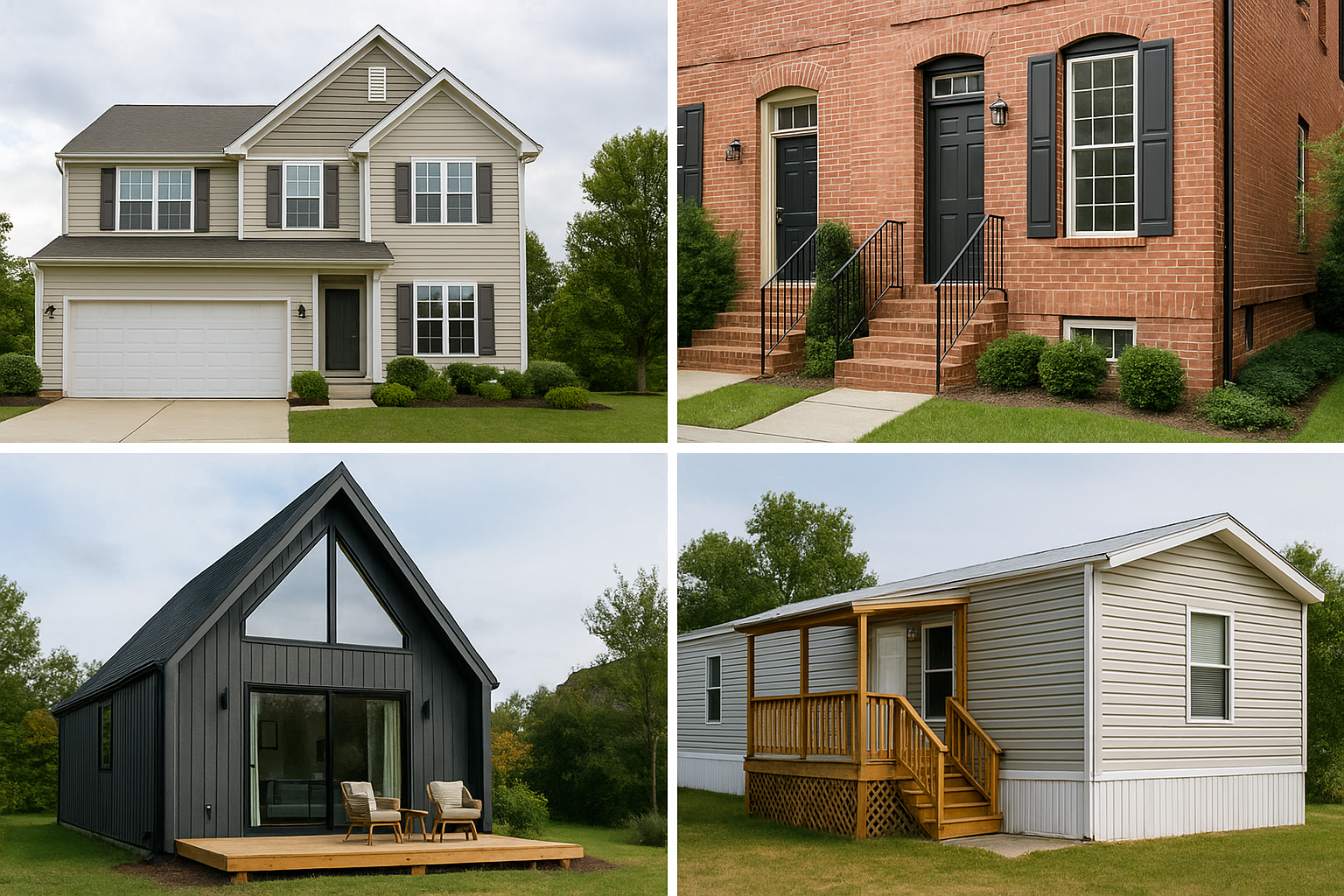
State Farm generally provides coverage for the following types of homes:
- Single-Family Homes: These are standalone residences that are the most common type of housing in the United States. State Farm offers comprehensive policies that cover various risks, including natural disasters, theft, and liability.
- Condominiums: For condo owners, State Farm provides coverage that fills gaps left by your condominium association’s insurance policy. This typically includes protection for your personal belongings and additional liability coverage.
- Townhouses: These types of homes, which typically share wall(s) with other units, can be insured under policies designed to accommodate the shared structure ownership that townhouses often entail.
- Manufactured Homes: Often equipped with policies that cater to the unique vulnerabilities of manufactured or mobile homes, State Farm Insurance offers specialized coverage for these types of residences.
- Rental Properties: Landlords can benefit from coverage that protects the physical structure they’re renting out and offers liability protection.
These home types form the core of what State Farm insures, but the insurance offerings are versatile enough to include coverage in several unique living situations.
Extended Insurance for Unique Homes
Beyond the typical types of homes, State Farm's insurance plans can be adapted to cover unique home types and structures.
- Vacation Homes: These properties require a separate insurance policy that acknowledges their non-primary residence status, often necessitating special coverage for periods when the home is unoccupied.
- Historic Homes: Restoring historic properties can be costly, which is why coverage may need to reflect the special requirements for restoration and maintenance consistent with historic accuracy.
- Hobby Farms: If your property includes agricultural endeavors (for personal use), State Farm offers specialized farm and ranch insurance that combines agricultural property coverage with home insurance.
The ability to customize policies ensures that your unique circumstances and property needs are met effectively. As these homes have particular specifications, coverage can be broader or narrower, depending on the homeowner's individual situation.
Components of State Farm Home Insurance Policies
Understanding the components of State Farm’s home insurance policies is essential for comprehending what coverage entails and how it benefits the homeowner.
Coverage Breakdown
- Dwelling Coverage: This component covers the repair or rebuilding of the home’s physical structure in the event of covered perils such as fire, wind, or hailstorms.
- Personal Property Coverage: It provides reimbursement or replacement for personal belongings that are damaged, stolen, or destroyed.
- Liability Coverage: Offers protection against lawsuits for injuries or damages that occur on the property, ensuring peace of mind from potential financial burdens.
- Additional Living Expenses (ALE): Covers costs such as temporary housing and meals if a covered disaster necessitates temporarily moving out of your home while repairs are made.
These components are foundational, serving as the basis for more complex coverage adjustments that homeowners can make to cater to their specific needs.
Customization and Additional Options
According to a 2026 survey conducted by the Insurance Information Institute, many homeowners are opting for customizable add-ons to enhance coverage, including:
- Riders for High-Value Items: Such as jewelry, artwork, or musical instruments that exceed the standard policy limits on personal property.
- Water Backup Coverage: Which insures against scenarios such as a sump pump failure that causes basement flooding.
- Identity Restoration Coverage: This safeguard helps mitigate the effects of identity theft, a growing risk in the digital age.
This flexibility allows homeowners to refine their policies, ensuring comprehensive coverage that perfectly fits their lifestyle and the specific attributes of their home.
Real-World Benefits and Considerations
The importance of selecting the right home insurance policy is underscored by the increasing frequency and severity of natural disasters. Data from the Federal Emergency Management Agency (FEMA) highlights how disasters such as floods and hurricanes affect millions of homes annually, prompting homeowners to consider robust insurance solutions.
Case Studies and Examples
To illustrate how State Farm can assist homeowners:
- A family with a single-family home in Florida might opt for additional hurricane coverage due to frequent storms in the region.
- A condo owner in an urban center may prioritize coverage that specifically includes personal property and liability due to high foot traffic and potential theft.
- Owners of historic homes in established neighborhoods understand the need to secure policies covering reconstruction costs aligned with historic preservation guidelines.
Each of these scenarios demonstrates the ability of State Farm’s policies to effectively adapt to varied personal circumstances and environmental factors.
Final Considerations
When deciding on a home insurance policy, consider factors such as your home’s location, the condition of the property, and personal risk tolerance. Meeting with an insurance agent to evaluate potential coverage plans can provide clarity and ensure peace of mind.
For more information about tailoring a State Farm home insurance policy to your specific needs, you can access resources available through both the State Farm website or by consulting with local agents who offer personalized services and recommendations.
https://www.statefarm.com/insurance/home-and-property/homeowners
https://www.statefarm.com/insurance/home-and-property/homeowners/coverage-options
https://www.statefarm.com/insurance/home-and-property/homeowners/coverage-options/personal-property
https://www.statefarm.com/insurance/home-and-property/homeowners/coverage-options/personal-liability
https://www.statefarm.com/insurance/home-and-property/homeowners/coverage-options/other-structures
https://www.statefarm.com/insurance/home-and-property/homeowners/coverage-options/water-damage
https://www.statefarm.com/insurance/home-and-property/homeowners/coverage-options/flood-insurance
https://www.statefarm.com/insurance/home-and-property/get-a-quote
https://www.statefarm.com/insurance/home-and-property/condo
https://www.statefarm.com/insurance/home-and-property/renters
https://www.statefarm.com/insurance/home-and-property/rental-property
https://www.statefarm.com/insurance/home-and-property/manufactured-homes
https://www.statefarm.com/insurance/home-and-property/homeowners/how-it-works