Understanding Uber Driver Insurance: What You Need to Know About Liability Coverage
Understanding Uber Driver Liability Coverage is crucial for rideshare drivers. How does it protect you on the road, and what gaps might exist? Explore the intricacies of liability insurance so that you can drive with confidence.
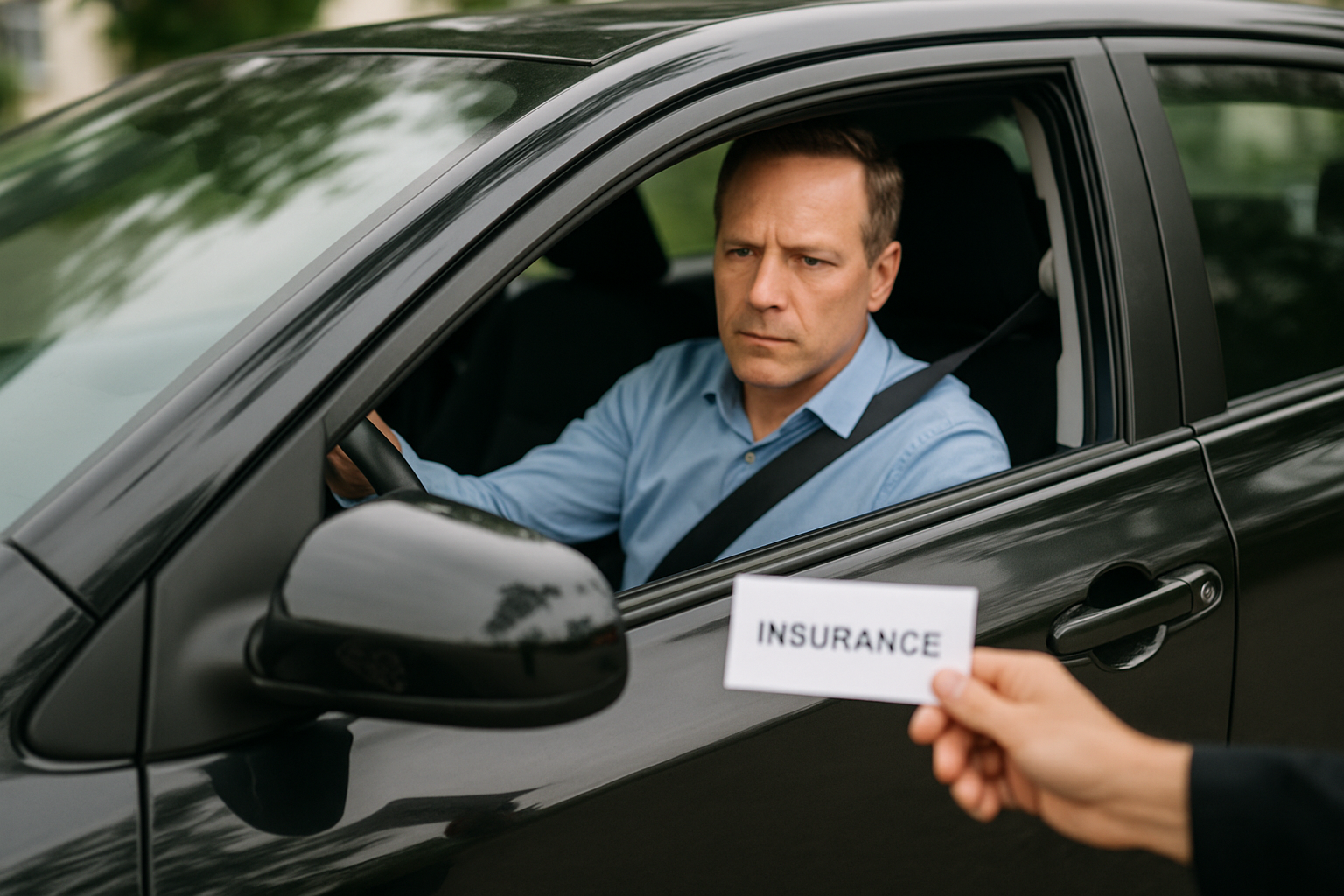
Understanding Uber Driver Liability Coverage
As the gig economy continues to expand, more individuals find themselves working as independent contractors for companies like Uber. While driving for Uber can be a flexible way to earn income, it's essential for drivers to understand their insurance coverage, particularly the nuances of liability coverage. This article will break down Uber driver liability coverage, addressing common questions drivers and passengers may have, and highlighting key considerations for all parties involved.
What is Uber Driver Liability Coverage?
Uber driver liability coverage is a form of insurance protection that covers third-party injuries and property damage that occur while a driver is operating their vehicle on behalf of Uber. This coverage is crucial because, unlike private car insurance, which generally excludes coverage for commercial activities, Uber's insurance is designed to protect drivers while they are logged into the app and transporting passengers.
How Does Uber's Insurance Work?
Uber provides varying levels of insurance coverage depending on whether the driver is waiting for a ride request, en route to pick up a passenger, or transporting a passenger. Let's break down these coverage phases:
- Phase 1: App On, No Ride AcceptedOnce a driver logs into the Uber app but before accepting a ride, the driver's personal insurance is the primary coverage. Uber offers contingent liability coverage, which kicks in if the driver's policy does not meet state-mandated requirements. Coverage during this phase typically includes:
- Liability coverage of $50,000 per person injured in an accident.
- $100,000 total injury coverage per accident.
- $25,000 property damage coverage.
- Phase 2: Ride Accepted, En Route to Pick Up PassengerDuring this phase, Uber's commercial insurance provides higher coverage limits and includes:
- $1 million third-party liability.
- Phase 3: Passenger in VehicleWhen a passenger is in the vehicle, Uber maintains commercial auto insurance coverage with substantial limits, including:
- $1 million third-party liability coverage.
- Uninsured/underinsured motorist injury coverage.
- Contingent comprehensive and collision coverage (with a $2,500 deductible for drivers using Uber's app).
Additional Coverages Available
Alongside the primary liability coverage, Uber also offers uninsured/underinsured motorist injury coverage. This is crucial for protecting both the driver and passengers in cases where another responsible party lacks adequate insurance coverage. Additionally, Uber provides contingent comprehensive and collision coverage, helping drivers manage the costs of repairing their vehicles post-accident.
Common Concerns and Considerations
Many drivers and passengers harbor concerns about insurance sufficiency and liability. Here are some factors to consider:
- Gap in Coverage: Many personal auto insurance policies exclude coverage when the vehicle is used for ridesharing. Thus, examining Uber's insurance provisions is critical to ensure comprehensive coverage.
- Independent Purchase of Rideshare Insurance: Drivers may consider purchasing separate rideshare insurance to bridge any gaps in phase 1 or while offline.
- Understanding State Laws: Insurance requirements can vary significantly by state. Drivers should familiarize themselves with local regulations to ensure compliance.
Real-World Examples
Consider the example of a driver in California, where the state mandates TNCs (Transportation Network Companies) to maintain specific insurance coverage levels. For instance, in a 2026 case, a driver relying solely on Uber's insurance experienced a collision during phase 1. His personal insurance denied the claim, but Uber's contingent policy provided the necessary assistance to cover damages, demonstrating the importance of understanding rideshare-specific policies.
Why Understanding Uber Driver Liability Coverage Matters
Fully grasping the scope of Uber's liability coverage helps drivers manage risk better and ensures they are adequately protected while on the road. This understanding also benefits passengers, who can feel safer knowing there are financial safeguards in place during their ride.
For a more detailed exploration of Uber's liability coverage and how it compares to other rideshare services, drivers can refer to comprehensive resources from respected insurance information institutes and government transportation agencies, such as the Insurance Journal or the U.S. Department of Transportation.
Conclusion
Uber driver liability coverage provides essential protection for drivers, riders, and third parties. By covering the phases of work, Uber ensures liability protection during its services, while also offering additional options for further security. Understanding this coverage enables drivers to work confidently, ensuring both they and their passengers are protected in various situations on the road.
Uber Driver Insurance Coverage Gaps
Uber Driver Insurance Coverage
Uber Driver Insurance Requirements
Uber Commercial Insurance Coverage
Uber Driver Collision Coverage