Understanding Utility Assistance Programs: A Senior's Guide to Savings
Discover how utility assistance programs for seniors can help ease financial burdens. These programs offer various forms of support, ensuring seniors stay comfortable in their homes without the stress of high utility bills.
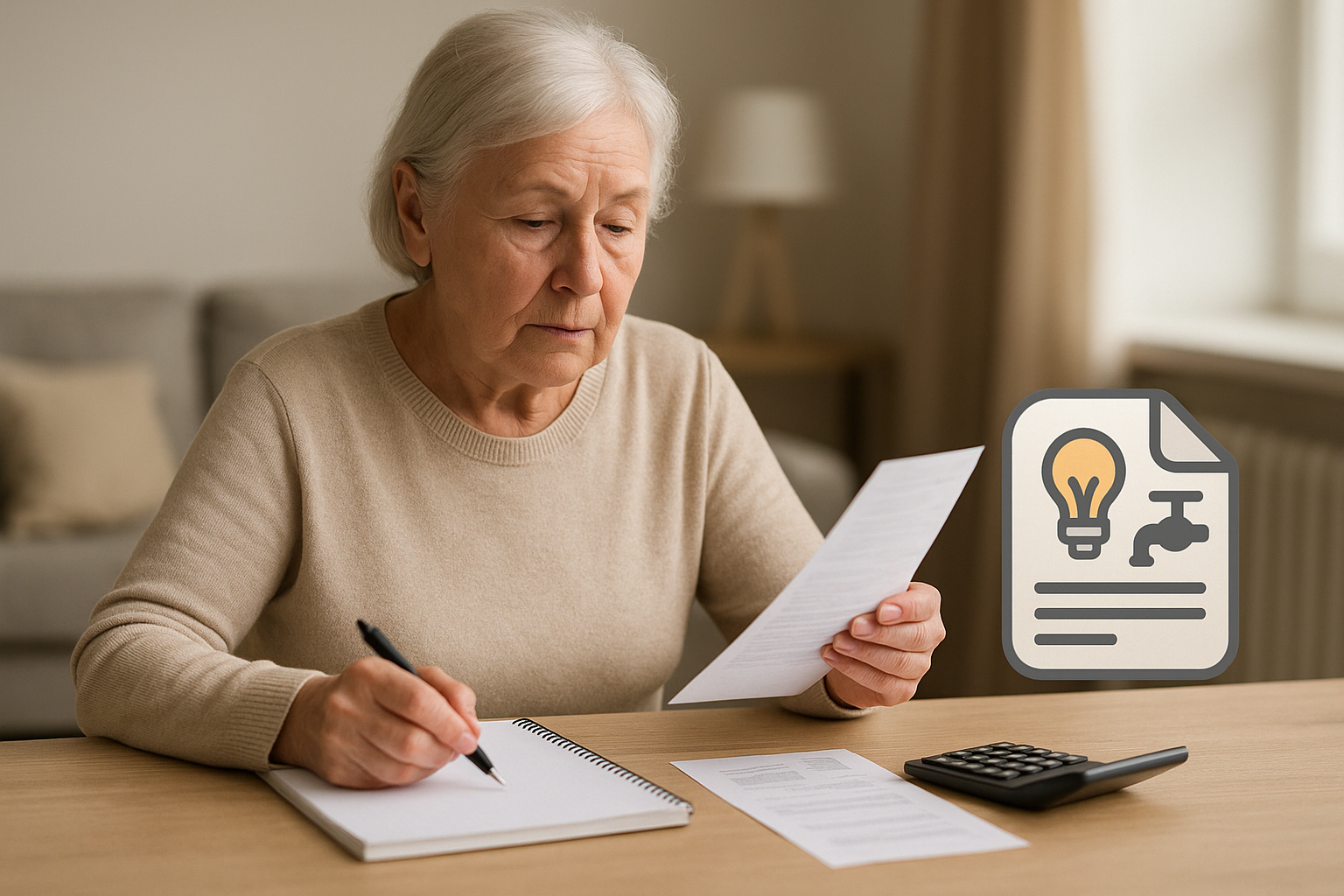
Understanding Utility Assistance Programs for Seniors
Many seniors face challenges when it comes to managing utility bills, which are a significant portion of monthly expenses. Utility assistance programs are designed to provide financial relief and support to those in need, including the elderly. These programs can significantly ease the financial burden and ensure seniors have access to essential services such as heating, water, and electricity.
What Are Utility Assistance Programs?
Utility assistance programs are initiatives that help low-income individuals and families pay their utility bills. These programs are often funded and administered by federal, state, local governments, and sometimes non-profit organizations. They aim to ensure that vulnerable populations, particularly seniors, do not face utility shutoffs due to financial hardship.
Types of Utility Assistance Programs
- Low Income Home Energy Assistance Program (LIHEAP): This federal program provides financial assistance to help manage the costs of home energy bills, energy crises, weatherization, and minor energy-related home repairs.
- Weatherization Assistance Program (WAP): Focuses on improving energy efficiency in the homes of low-income families to reduce energy costs and improve health and safety.
- Local Utility Company Programs: Many utility companies offer assistance programs or discounts to eligible seniors, ranging from fixed discounts on bills to payment plans that spread costs evenly throughout the year.
Eligibility for Utility Assistance Programs
Eligibility for utility assistance programs varies. Generally, seniors must meet certain income guidelines that demonstrate financial need. It's crucial to note that eligibility can differ by program and location. Seniors should check specific requirements for each program in their area.
For instance, to qualify for LIHEAP, applicants must be part of a household whose income is at or below 150% of the federal poverty level or 60% of the state median income level. Consult the LIHEAP Clearinghouse (source: LIHEAP) for detailed eligibility criteria.
How to Apply for Utility Assistance Programs
Applying for utility assistance typically involves several steps that seniors or their caregivers should follow:
- Identify Local Resources: Check with local community centers, government agencies, or online portals dedicated to senior services to find available programs.
- Gather Necessary Documentation: Most applications require proof of identity, income, recent utility bills, and any other relevant information that supports the application.
- Submit Application: This can often be done online, by mail, or in person. Ensure all sections are filled out accurately to avoid delays.
- Follow Up: After submission, it may take a few weeks for an application to be processed. Checking in periodically can help track the status of assistance approvals.
Benefits of Utility Assistance Programs
Utility assistance programs provide several direct and indirect benefits to seniors:
- Financial Relief: Reducing the financial burden on limited incomes allows seniors to allocate resources to other needs, like medication or food.
- Increased Energy Efficiency: Weatherization assistance improves home efficiency, reducing long-term utility costs and increasing comfort.
- Prevention of Utility Shutoffs: Continued access to utilities is crucial for health and safety, particularly in extreme weather conditions.
A study in 2026 by the National Energy Assistance Directors Association highlighted that participating families saved an average of $300 annually, emphasizing the program's importance (source: LIHEAP News).
Addressing Common Concerns
Many seniors are hesitant to apply for assistance due to misconceptions or lack of information. Here are some common concerns and clarifications:
- Stigma Associated with Assistance: It's important for seniors to recognize that these programs are a right, not a charity. They're designed to ensure access to basic needs.
- Complicated Application Processes: Many agencies have simplified applications and offer support through caseworkers or community organizations.
- Lack of Awareness: Advocacy and community outreach have been ramped up, and resources like senior centers are becoming information hubs.
Real-World Examples
Throughout the United States, various initiatives are in place. For example, in California, the CARE (California Alternate Rates for Energy) program provides a 20% discount on monthly bills for seniors who meet the eligibility criteria. Similar efforts are happening across the country, tailored to meet local needs.
Conclusion
No senior should have to choose between their basic needs and utilities. Utility assistance programs offer a vital lifeline for those facing energy insecurity. By understanding these programs and taking advantage of available resources, seniors can achieve greater financial stability and peace of mind.
Reference