Understanding VA Benefits: Coverage for Wheelchair Lifts and Hand Controls
Curious if the VA covers wheelchair lifts or hand controls? This article explores options for veterans seeking assistance with mobility modifications. While the VA offers various benefits, coverage for wheelchair lifts or hand controls depends on specific criteria and individual circumstances.
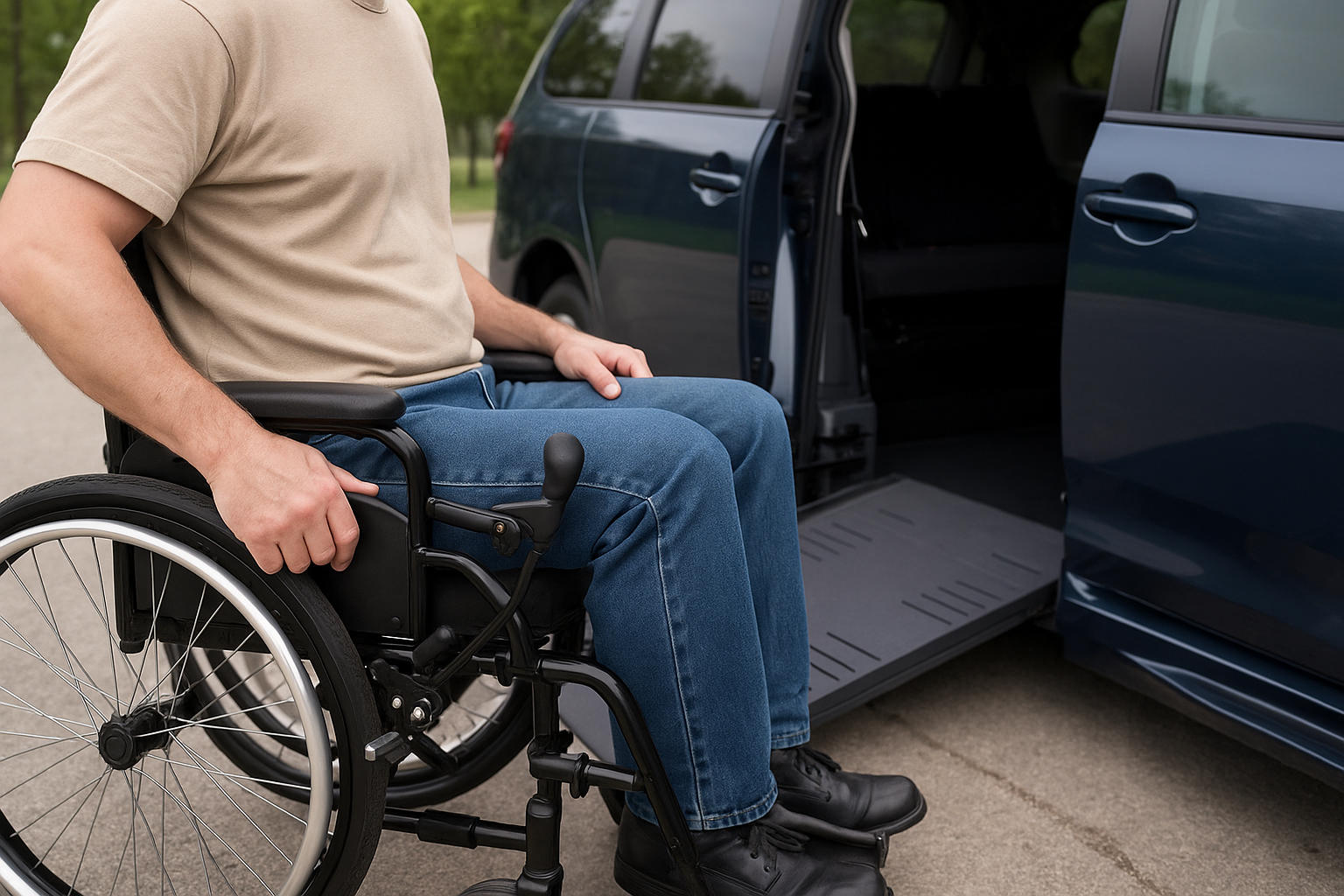
Understanding VA Benefits for Wheelchair Lifts and Hand Controls
For many veterans facing mobility challenges, wheelchair lifts and hand controls are essential tools that enable independence and improve quality of life. Whether you are a veteran or a caregiver, understanding what the Department of Veterans Affairs (VA) covers in terms of adaptive equipment is crucial. This article addresses the question: "Does the VA cover wheelchair lifts or hand controls?" We'll take a deep dive into the benefits, eligibility criteria, and application processes associated with these life-changing adaptations.
What Are Wheelchair Lifts and Hand Controls?
Wheelchair Lifts
Wheelchair lifts are mechanical devices designed to help individuals with mobility challenges access vehicles or ascend and descend staircases. They come in various formats, including platform lifts for vehicles and stairlifts for residential use.
Platform lifts are installed in vans or SUVs and allow users to easily enter or exit their vehicle while remaining seated in their wheelchair. Stairlifts, on the other hand, are typically installed in homes and provide a safe, seated lift along stairways.
Hand Controls
Hand controls are adaptive devices that enable individuals with limited leg function to drive a car using only their hands. These controls can include features like brake levers and accelerators. Hand controls ensure that veterans can maintain their independence by driving themselves wherever they need to go.
Does the VA Cover These Devices?
Yes, the VA does provide coverage for both wheelchair lifts and hand controls under specific conditions. These devices fall under the VA's Prosthetic and Sensory Aids Service (PSAS), which offers a range of benefits to veterans with service-connected disabilities.
Prosthetic and Sensory Aids Service (PSAS)
The PSAS is responsible for providing medically necessary devices and services to veterans. These services include a wide array of adaptive equipment, such as:
- Prosthetics
- Wheelchair lifts
- Vehicle modifications like hand controls
- Home adaptations
Coverage is typically granted when a medical professional deems the devices essential for the veteran's day-to-day activities.
Eligibility Criteria
To qualify for these benefits, veterans must meet certain criteria:
- They must have a documented service-connected disability that impairs mobility.
- A healthcare provider must recommend the equipment as part of their treatment plan.
- The equipment must significantly improve the veteran's daily living and independence.
Notably, the VA's coverage policies are updated regularly, so it's advisable to consult a VA representative or check the latest guidelines on the official VA website for any changes in eligibility criteria. For more detailed eligibility information, visit the VA's Benefits Booklet (2026).
Applying for Benefits
The application process for VA benefits such as wheelchair lifts or hand controls typically involves:
- Contacting a VA health care provider to assess the need for the device.
- Filing a VA Form 10-1394, Application for Adaptive Equipment Motor Vehicle.
- Working with a rehabilitation specialist to select the appropriate equipment.
After submission, the VA will review the application and notify the applicant of their decision. For assistance with completing the application, veterans can reach out to their local VA office.
Other Considerations
Costs and Funding Options
While the VA may cover many costs associated with wheelchair lifts and hand controls, there can be additional expenses not covered. Veterans might consider:
- Fundraising Initiatives: Engaging with local veteran organizations for possible fundraising opportunities.
- State Assistance Programs: Some states offer additional financial assistance to veterans for adaptive equipment.
For more funding resources, the National Resource Directory offers a comprehensive list of options.
Staying Informed
The landscape of VA benefits is constantly evolving. Veterans and their families should stay informed about policy changes that might affect their eligibility or the scope of available benefits. Regular consultations with VA representatives and keeping updated with information on the official VA website can provide valuable insights.
Conclusion
Wheelchair lifts and hand controls are vital adaptations that can greatly enhance the independence and quality of life for veterans with mobility challenges. While the VA does provide substantial support for these devices, understanding the nuances of coverage and staying informed about policy changes are essential for maximizing benefits. By accessing the VA's resources and supplementary funding options, veterans can secure the necessary adaptive equipment to lead fulfilling, independent lives.
https://www.va.gov/disability/eligibility/special-claims/automobile-allowance-adaptive-equipment/
https://www.va.gov/disability/compensation-rates/special-benefit-allowance-rates/
https://www.va.gov/forms/21-4502/
https://www.rehab.va.gov/PROSTHETICS/psas/AAE.asp
https://www.va.gov/health-care/file-travel-pay-reimbursement/