Understanding VA Benefits: How Disabled Veterans Can Get Help with Vehicle Costs
Explore how the VA may assist disabled veterans with vehicle costs. While not guaranteeing specific outcomes, this article dives into potential resources and programs available for veterans seeking financial aid for transportation needs.
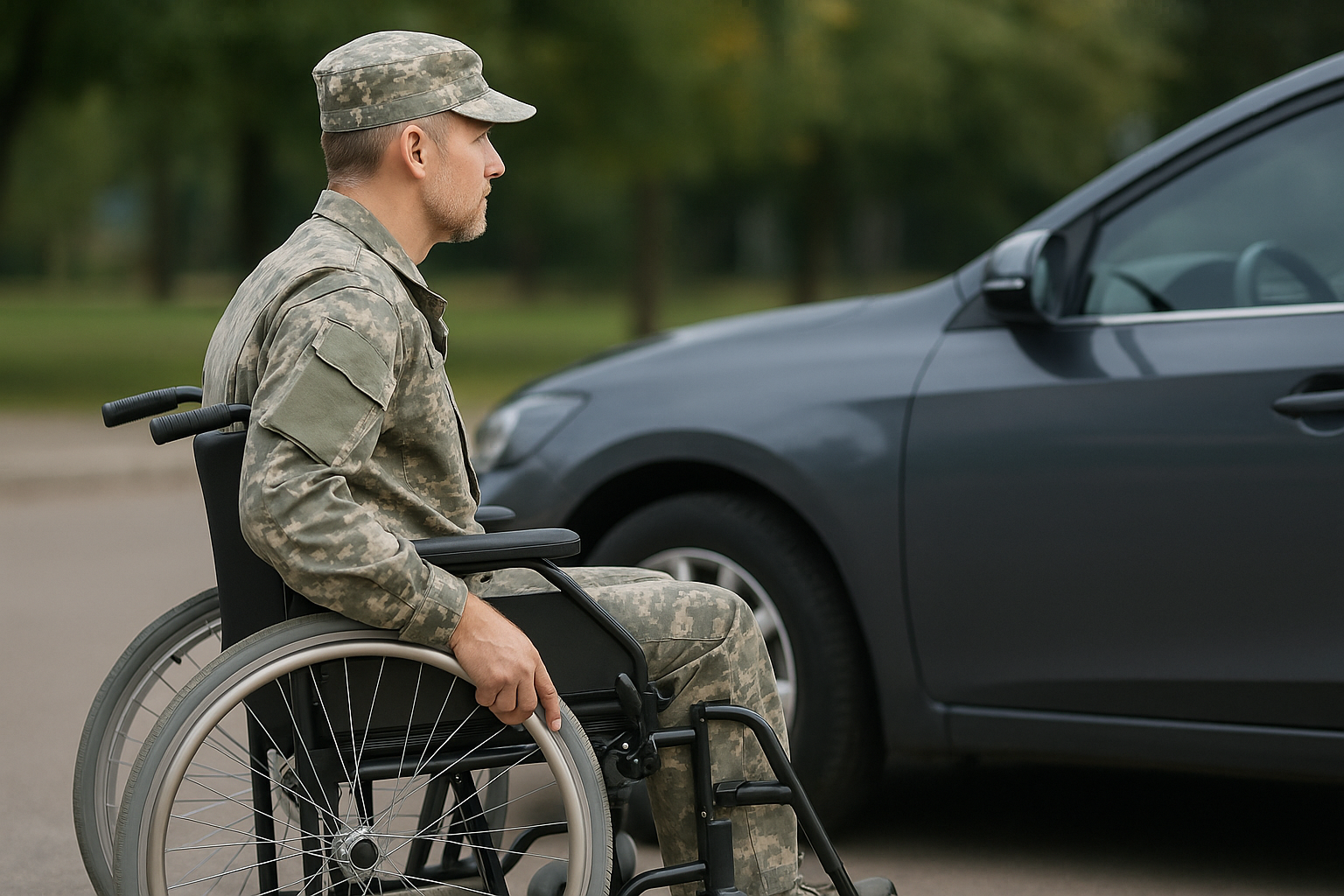
Understanding VA Assistance for Disabled Veterans with Vehicle Costs
Many disabled veterans face unique challenges when it comes to mobility and transportation. A common question is whether the Department of Veterans Affairs (VA) provides assistance for vehicle costs. Let’s explore the answer to this query by delving into the various programs and support options available for disabled veterans seeking vehicle assistance in 2026.
What Types of Vehicle Assistance Does the VA Offer?
The VA offers several programs designed to assist disabled veterans with vehicle acquisition and modification costs. The two primary types of assistance include:
- Automobile Allowance: This is a one-time payment provided by the VA to eligible veterans to help purchase a vehicle. As of 2026, the maximum amount is $24,115.72. This allowance is available for veterans whose disability impairs their mobility permanently, requiring them to have a vehicle for adaptive purposes.
- Automobile Adaptive Equipment (AAE) Program: This program covers the cost of certain adaptive equipment necessary to ensure a veteran can drive or ride in a vehicle safely. The equipment might include hand controls, lifts, power steering, and other modifications necessary for safe and manageable driving or riding.
Eligibility Criteria for VA Vehicle Assistance
Not all veterans are automatically eligible for these benefits. There are specific criteria one must meet to qualify:
- The veteran must have a service-connected disability that affects mobility severely, such as the loss or permanent loss of use of one or both feet or hands, or severe impairment of vision.
- In some cases, severe burn injuries or ankylosis of one or both knees or hips might also make a veteran eligible.
Veterans must also be able to obtain a valid driver’s license and be legally permitted to operate a vehicle. If the veteran cannot drive, a family member may be able to utilize the benefits to ensure transportation needs are met.
Application Process for VA Vehicle Benefits
The process to apply for automobile and adaptive equipment benefits involves several steps:
- Gather Documentation: The veteran needs to gather necessary documentation, including medical records and proof of their service-connected disability.
- Submit a Claim: By using VA Form 21-4502, veterans can apply for the automobile allowance. This form can be submitted online via the VA’s website or through the mail.
- Evaluation: Once the form is submitted, the VA will evaluate the application and the applicant's eligibility. This can involve a review of service and medical records.
- Approval and Purchase: Upon approval, veterans will receive a grant they can use toward the purchase of a vehicle. For the Adaptive Equipment Program, additional forms and a dealership contract may be required as part of the equipment purchase and installation process.
Impact of VA Vehicle Assistance
These programs significantly enhance the quality of life for disabled veterans. By improving accessibility and mobility, veterans can gain greater independence to perform everyday activities. Real-world examples demonstrate these benefits:
Consider John, a veteran with a service-connected disability. The VA's automobile grant and adaptive equipment coverage allowed him to purchase a modified truck. This transport option enabled John to commute to a job, significantly improving his well-being and financial stability.
Additional Resources and Programs
Aside from direct VA benefits, there are other resources available to assist disabled veterans with vehicle costs:
- State-Specific Programs: Some states offer additional financial assistance for vehicle modifications, tax exemptions, or registration fee reductions for disabled veterans.
- Nonprofit Organizations: Groups such as the Purple Heart Foundation and Wounded Warrior Project often provide grants or resources that may assist with the costs related to acquiring or modifying a vehicle.
Conclusion on VA Support for Vehicle Costs
The VA plays an essential role in supporting disabled veterans through various vehicle assistance programs. While these benefits have specific eligibility criteria, they can profoundly impact veterans' mobility, independence, and quality of life. For more detailed information, veterans are encouraged to contact their local VA office, where representatives can provide tailored guidance.
https://www.va.gov/disability/eligibility/special-claims/automobile-allowance-adaptive-equipment/
https://www.va.gov/disability/compensation-rates/special-benefit-allowance-rates/
https://www.va.gov/forms/21-4502/
https://www.rehab.va.gov/PROSTHETICS/psas/AAE.asp
https://www.geico.com/information/military/
https://www.geico.com/save/discounts/military-discounts/