Understanding Vaccination Schedules for Seniors with COPD
Are you wondering how often COPD seniors should get vaccinated? Understanding the frequency of vaccinations can be crucial for seniors managing chronic conditions like COPD.
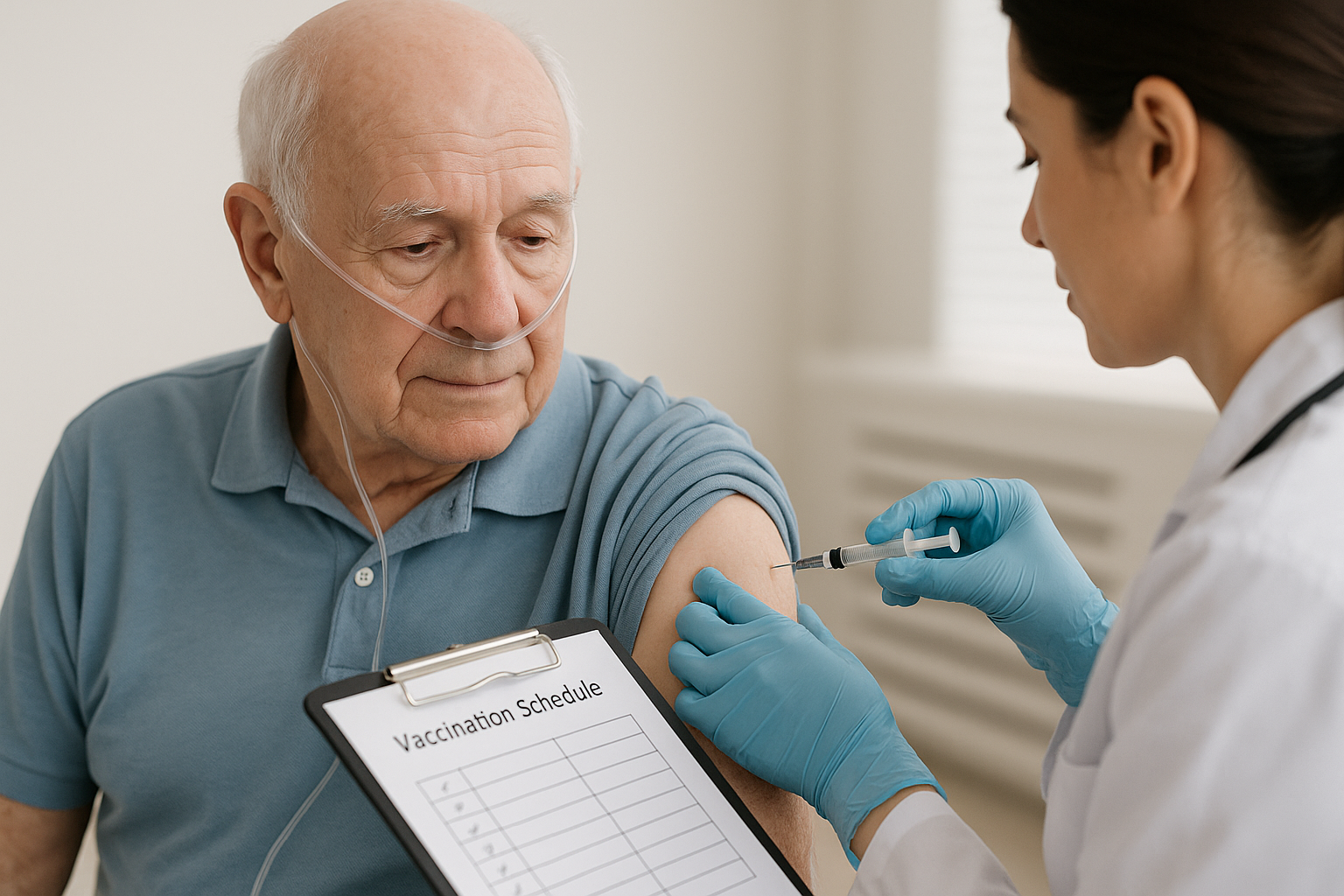
Understanding COPD and Its Impact on Seniors
Chronic Obstructive Pulmonary Disease (COPD) is a long-term lung condition that affects millions of people worldwide, with a significant prevalence among seniors. It is characterized by persistent respiratory symptoms and airflow limitations due to airway and alveolar abnormalities typically caused by significant exposure to harmful particles or gases. Senior individuals with COPD are particularly vulnerable to infections, including those preventable by vaccination.
The link between COPD and an increased risk for infections emphasizes the need for routine vaccinations among seniors. Proper immunization can significantly reduce the risk of severe complications, hospitalizations, and even mortality. But, how frequently should seniors with COPD get vaccinated, and which vaccines are essential?
The Essential Vaccines for Seniors with COPD
Influenza Vaccine
Influenza, or the flu, can cause severe respiratory illness in seniors, particularly those with existing lung conditions like COPD. The influenza virus changes yearly, making it crucial for seniors to receive an updated flu vaccine annually. The Centers for Disease Control and Prevention (CDC) recommend that everyone aged 65 and older, especially those with COPD, receive the flu shot before the onset of the flu season, which typically starts in October.
Pneumococcal Vaccine
Pneumonia is a serious concern for seniors with COPD as it can exacerbate the condition and lead to life-threatening complications. The pneumococcal vaccine helps protect against pneumococcal disease, which includes pneumonia, meningitis, and bloodstream infections. The CDC advises two types of pneumococcal vaccines for seniors: the PCV20 and PPSV23. Seniors may need to consult with their healthcare provider to understand their vaccination schedule, often starting with PCV20 and then receiving PPSV23 afterwards.
COVID-19 Vaccine
The COVID-19 pandemic has underscored the importance of vaccination for vulnerable populations, including seniors with COPD. Given the changing nature of the coronavirus and the emergence of new variants, ongoing research supports regular booster vaccinations to maintain a strong immune defense. As of 2026, healthcare authorities recommend an annual COVID-19 vaccination for seniors, especially those with underlying health issues.
Tetanus, Diphtheria, and Pertussis (Tdap) Vaccine
The Tdap vaccine is another critical immunization for seniors, protecting against tetanus, diphtheria, and pertussis. While not specific to COPD, these diseases can pose severe risks to seniors. It's generally recommended that seniors receive a Tdap booster shot every 10 years, with one initial Tdap, followed by Td (tetanus and diphtheria) boosters.
Frequently Asked Questions: Navigating Vaccination for COPD Seniors
How Do Vaccines Work in Seniors with COPD?
Vaccines work by stimulating the immune system to produce antibodies and prepare the body to fight off specific infections. For seniors with COPD, vaccines help prevent or lessen the severity of respiratory infections, which can exacerbate symptoms of COPD and lead to serious health complications. Ensuring that vaccines are up-to-date is crucial for maintaining overall health and managing COPD effectively.
Are There Specific Considerations for Administering Vaccines to Seniors?
When administering vaccines to seniors, especially those with COPD, there are specific considerations to bear in mind. Healthcare providers typically evaluate the individual's overall health status, potential allergies, current medications, and existing comorbidities. In some cases, it may be necessary to delay or adjust the vaccination schedule based on these factors.
What Are the Side Effects of Vaccinations in Seniors?
Vaccinations can occasionally cause side effects, although they are generally mild and temporary. Common side effects include local reactions at the injection site, such as soreness, redness, or swelling, and systemic reactions like low-grade fever or fatigue. Serious side effects are rare but warrant immediate medical attention. It is crucial for seniors and their caregivers to be aware of these potential reactions and remain informed about what to expect post-vaccination.
Conclusion: Vaccinations as a Key Component of COPD Management
For seniors living with COPD, vaccinations are a vital component of preventative health care. Regular and timely vaccinations can significantly reduce the risk of exacerbation episodes, hospitalizations, and serious illness. It's essential for seniors, with the guidance of healthcare providers, to maintain an up-to-date vaccination schedule tailored to their personal health needs.
In summary, ensuring that seniors with COPD receive the necessary vaccinations not only protects them from potentially severe infections but also contributes to improved overall health, quality of life, and peace of mind. By staying informed and proactive about vaccinations, seniors with COPD can take a significant step towards better health management.
For more information about senior vaccinations, consult authoritative resources such as CDC's Vaccination Schedules and speak with your healthcare provider.
References
https://www.cdc.gov/pneumococcal/vaccines/adults.html
https://www.cdc.gov/vaccines/schedules/hcp/imz/adult.html