Understanding Weight Loss Injections: Key Facts and Considerations
Discover how weight loss injections might aid your journey toward a healthier lifestyle. Although these injections have shown promising results, it’s essential to understand potential benefits and limitations.
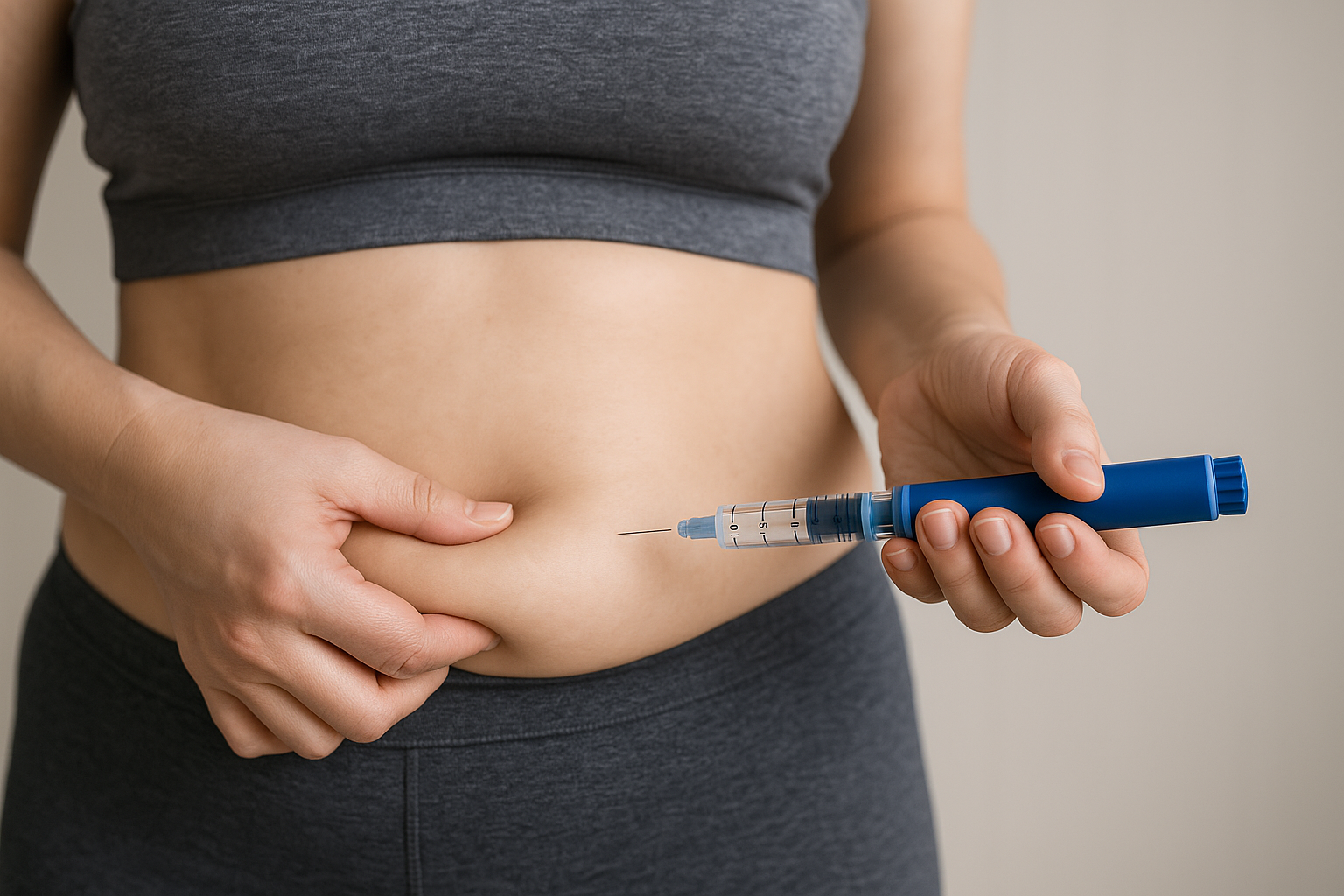
Understanding Weight Loss Injections
In the quest for achieving optimal health and desired body weight, many have turned to weight loss injections as a promising solution. These injections have gained significant traction due to their potential to assist with weight management in conjunction with diet and exercise. But what exactly are weight loss injections, and why have they become so popular? Let's delve into the details to better understand these medical interventions.
What Are Weight Loss Injections?
Weight loss injections refer to medically prescribed injections that are designed to aid in weight loss. They typically contain hormones or compounds that influence the body's metabolism, appetite, or fat absorption processes. The most commonly used injections include GLP-1 agonists, such as semaglutide and liraglutide, which are primarily used for their effects in regulating and balancing insulin and glucose levels, thereby reducing appetite and promoting the feeling of fullness.
How Do Weight Loss Injections Work?
These injections work through various mechanisms, depending on the type of medication prescribed. Here are the primary ways they facilitate weight loss:
- Appetite Suppression: Many weight loss injections help suppress appetite by mimicking the hormones in the gut that signal the brain when it is time to stop eating. GLP-1 agonists, for instance, work to slow gastric emptying, which prolongs the feeling of fullness after meals.
- Increased Metabolism: Some injections may help increase the body's metabolic rate, allowing for greater calorie burn even at rest.
- Fat Absorption Inhibition: Certain medications reduce the absorption of dietary fats by inhibiting the enzymes responsible for the breakdown of fats in the digestive system.
Who Are the Ideal Candidates for Weight Loss Injections?
Weight loss injections are typically recommended for individuals who are classified as obese or those with a body mass index (BMI) of over 30. They may also be suitable for individuals with a BMI of at least 27 and who have weight-related medical conditions such as hypertension or type 2 diabetes. It's important to note that these injections are not a magic cure and are most effective when combined with a healthy lifestyle involving a balanced diet and regular physical activity.
Potential Side Effects and Considerations
As with any medical treatment, weight loss injections come with potential side effects. Common side effects can include nausea, diarrhea, constipation, headache, and low blood sugar levels. It is crucial to consider these while assessing the suitability of the treatment. Always consult with a healthcare provider to discuss potential risks and benefits tailored to your specific health needs.
Safety and Regulation
Regulatory bodies like the FDA rigorously evaluate weight loss injections for safety and efficacy. There is substantial evidence supporting the effectiveness of these treatments, with recent studies showing significant weight reduction in clinical trials conducted in 2026 (FDA). Nevertheless, patient safety remains a top priority, and continuous monitoring and research are vital to ensure ongoing safety.
The Cost of Weight Loss Injections
The cost of these injections can vary widely depending on factors like insurance coverage, the type of medication, and regional pricing differences. On average, uninsured patients might spend anywhere from $500 to $1,500 per month. It's important to discuss financial considerations with healthcare providers to explore insurance options and potential assistance programs.
Recent Trends and Developments
With advances in medical research, weight loss injections continue as a topic of active study. As of 2026, there is ongoing research into enhancing the efficacy of existing treatments and developing new compounds that offer fewer side effects. A notable development is the exploration of personalized medicine approaches that tailor treatments to individual genetic profiles, offering a true potential to revolutionize the field of weight management (NIH).
Real-World Success Stories
Many individuals who have opted for weight loss injections have experienced meaningful health benefits. For example, a case study published in 2026 highlighted Patient X, who over 12 months, reduced their weight by 20% and saw a significant improvement in blood sugar levels and overall cardiovascular health. This underscores the potential positive impacts when coupled with lifestyle changes (CDC).
Concluding Thoughts
While weight loss injections offer a valuable tool in the management of obesity, they should be approached as part of a holistic health strategy. Consulting with healthcare professionals is critical to determine the best individualized plan and to ensure all underlying health conditions are considered. As research and development continue, these injections may become increasingly sophisticated and personalized, heralding a new era in medical weight management.