Understanding Why Your Dog Eats Grass and When to Worry
Seeing your dog munching on the lawn can be confusing, and you’re right to wonder what it means.
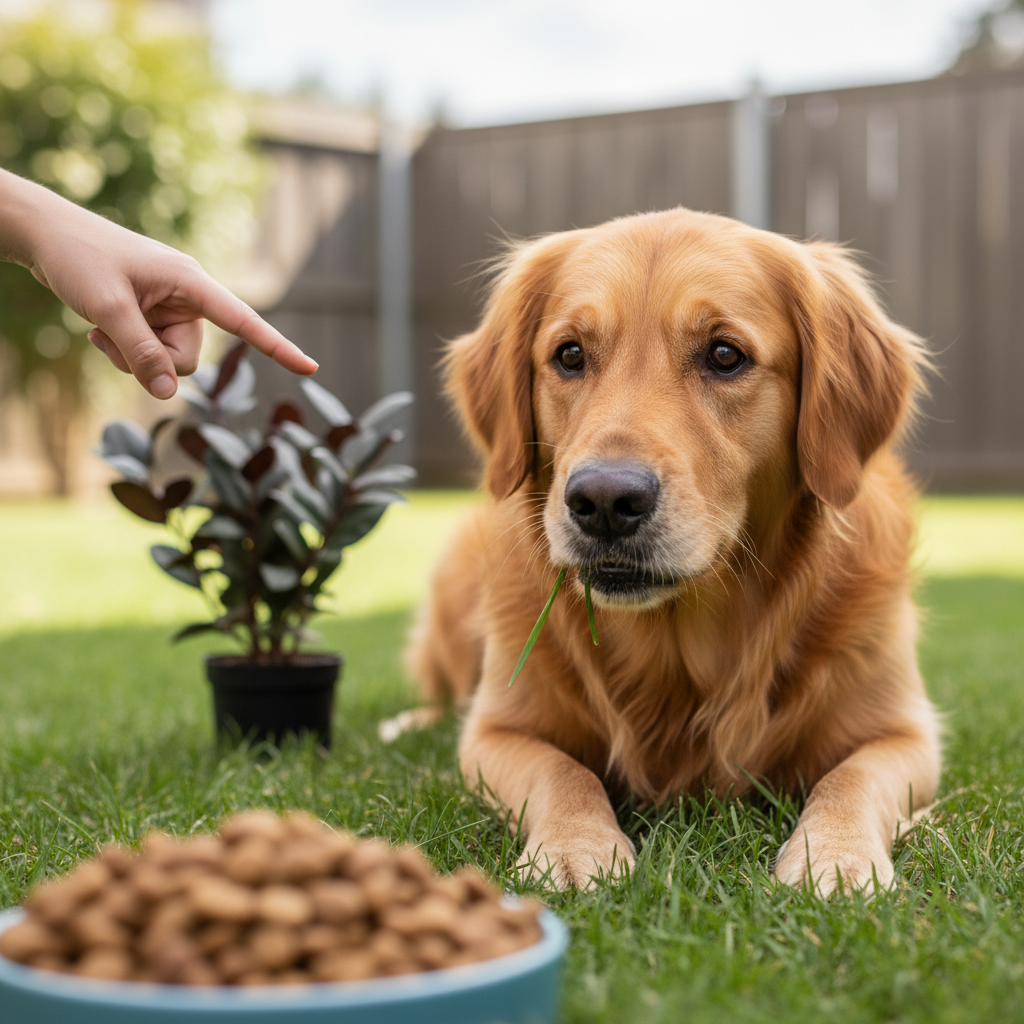
Common Reasons Your Dog Might Be Eating Grass
Watching your dog munch on the lawn can be a baffling sight. Is it a snack? A sign of illness? Or just a weird canine quirk? The truth is, grass eating, a behavior known as pica, is quite common in dogs. While it can occasionally signal an underlying issue, it's often a normal behavior with several potential explanations. Understanding these reasons can help you determine if your furry friend's grazing is cause for concern or simply a harmless habit.
Nutritional Deficiency
One of the longest-standing theories is that dogs eat grass to supplement their diet. The idea is that they may be missing essential nutrients, particularly fiber, which their regular food isn't providing. Grass is a natural source of fiber, which plays a crucial role in a dog's digestive system by helping them process food and pass stool regularly. If your dog is on a low-quality diet, they might instinctively turn to the lawn to fill this nutritional gap.
While this theory is plausible, many dogs who eat grass are already on well-balanced, high-quality diets. However, if you have any concerns about your dog's nutrition, it’s always a good idea to consult with your veterinarian. They can assess your dog's current food and recommend changes or supplements if they find any deficiencies that might be contributing to the behavior.
Natural Instinct and Ancestral Behavior
To truly understand our domestic dogs, we often have to look at their wild ancestors. Wild canids, such as wolves and foxes, are known to eat plant matter. In fact, studies of their scat have shown that grass is a regular part of their diet. It's believed that they ingest plants, including the grassy stomach contents of their prey, to help purge their systems of intestinal parasites.
This instinct may have been passed down through generations. Your pampered pooch might not need to worry about parasites in the same way, but the innate drive to consume grass could still be hardwired into their DNA. For them, it might just feel like the natural thing to do, an echo of their wild heritage playing out in your suburban backyard.
To Induce Vomiting
This is perhaps the most common belief among dog owners: dogs eat grass to make themselves throw up when they have an upset stomach. There is some truth to this. The long, tickly blades of grass can irritate the stomach lining and throat, triggering the vomiting reflex. If your dog has eaten something that doesn't agree with them, they might instinctively seek out grass as a natural emetic to clear their system.
However, research suggests this isn't the primary reason for most dogs. Studies have shown that less than 25% of dogs vomit after eating grass, and most dogs don't appear to be sick before they start grazing. So, while it can certainly happen, it's more likely a side effect of eating grass rather than the main goal for the majority of dogs.
Sheer Boredom or Anxiety
Sometimes, the reason for grass eating is purely psychological. A bored dog will find ways to entertain itself, and chewing on grass can be a mildly stimulating activity. If your dog isn't getting enough physical exercise or mental stimulation, they might resort to grazing out of a simple lack of anything better to do. It’s a repetitive, sensory behavior that can help pass the time.
Anxiety can also be a trigger. Just as some humans bite their nails when they're nervous, some dogs may chew on grass as a self-soothing mechanism. If the grass eating is accompanied by other signs of stress, such as pacing, whining, or destructive behavior, it may be linked to separation anxiety or other environmental stressors.
They Simply Like the Taste or Texture
The simplest explanation might just be the right one: your dog might actually enjoy it. Some dogs seem to be quite particular, preferring young, sweet spring grass. The taste and texture could be appealing to them, much like a crunchy treat. For these dogs, grazing is just a pleasant pastime and another way to experience the world through their senses. It's a harmless snack that they genuinely find enjoyable.
When Should You Be Concerned About Grass Eating?
While grass eating itself is usually harmless, there are specific situations where it should raise a red flag. The primary concern isn't the grass itself but what might be on it. Lawns are frequently treated with a variety of chemicals that can be toxic to dogs.
- Pesticides and Herbicides: These chemicals are designed to kill insects and weeds and can be extremely harmful if ingested by your pet. Exposure can lead to symptoms ranging from mild gastrointestinal upset to severe neurological problems.
- Fertilizers: Many lawn fertilizers contain ingredients that can be toxic to dogs, causing vomiting, diarrhea, and in severe cases, pancreatitis.
- Toxic Plants: It's also important to ensure your dog is only eating grass and not accidentally ingesting other toxic plants that may be growing in your yard, such as oleander, sago palm, or certain types of mushrooms.
Beyond external dangers, the behavior can sometimes signal a more serious underlying health issue. You should contact your veterinarian if the grass eating is accompanied by other worrisome symptoms, including:
- Frequent or chronic vomiting
- Lack of appetite for their regular food
- Diarrhea or changes in stool
- Noticeable weight loss
- Lethargy or a sudden drop in energy levels
These signs could indicate gastrointestinal distress, inflammatory bowel disease, or other medical conditions that require professional diagnosis and treatment. In these cases, grass eating is a symptom, not the root problem.
Answering Your Top Questions About Dogs and Grass
Once you've determined that your dog's grazing is likely a normal behavior, you might have some follow-up questions. Here are some answers to common queries from fellow dog owners.
What is Pica and How is it Related to Grass Eating?
Pica is the technical term for the behavior of eating non-food items. While eating grass is a very common form of pica in dogs, the term also applies to the consumption of other objects like dirt, rocks, fabric, plastic, or paper. This behavior can stem from a variety of causes, both medical and behavioral. Medically, pica can be linked to nutritional deficiencies, malabsorption syndromes, or other illnesses that cause a dog to crave non-food substances.
Behaviorally, pica is often associated with boredom, stress, anxiety, or compulsive disorders. A dog might chew on and swallow objects to relieve stress or simply because they haven't been taught what is and isn't appropriate to eat. While occasional grass eating is usually not a major concern, persistent pica involving more dangerous items requires immediate attention from a veterinarian or a certified animal behaviorist.
If your dog is only eating grass, it's generally considered a benign form of pica. However, if you notice them trying to eat other, more harmful objects, it's crucial to intervene. This behavior can lead to intestinal blockages, poisoning, or damage to their teeth and digestive tract, so it should always be taken seriously.
How Can I Stop My Dog From Eating Grass?
If your dog's grass eating habit bothers you or if your lawn is treated with chemicals, there are several gentle ways to discourage the behavior. The key is to redirect their attention and address the potential underlying cause. First, consider their diet. Talk to your vet about whether switching to a high-fiber dog food might help satisfy their craving. Adding safe, steamed vegetables like green beans or carrots to their meals can also boost their fiber intake.
Next, focus on enrichment and exercise. A tired and mentally stimulated dog is less likely to engage in bored behaviors. Increase the length or frequency of their walks, introduce puzzle toys to challenge their minds, and spend dedicated time playing with them each day. When you're outside, keep them on a leash and gently redirect them with a command like "leave it" whenever they start to graze. Reward them with a high-value treat when they obey.
By making their environment more engaging and ensuring their nutritional needs are met, you can often reduce or eliminate the grass-eating habit. It's about providing a better, more appealing alternative to keep their mind and mouth occupied.
Are There Safe Plants My Dog Can Eat Instead?
For dogs that just seem to enjoy the act of chewing on plants, providing them with safe and approved alternatives can be a great solution. Instead of trying to eliminate the behavior entirely, you can redirect it to something you know is non-toxic. Many pet stores sell "pet grass" or "cat grass" kits, which are typically a mix of wheat, oat, rye, or barley grass. These are perfectly safe for dogs to eat and can be grown easily in a small pot inside your home.
You could also consider planting a small, dog-friendly herb garden. Certain herbs like mint, basil, and rosemary are safe for dogs in small quantities and can provide a different sensory experience. Always double-check with a reliable source like the ASPCA to ensure any plant you introduce is non-toxic to dogs. Providing a designated "snacking garden" for your pup can satisfy their urge to graze without risking their health on a chemically treated lawn.
Conclusion
For the vast majority of dogs, eating grass is a normal and largely harmless behavior. Whether driven by instinct, boredom, or a simple enjoyment of the taste, it's rarely a sign of a serious health crisis. The most important thing for any owner is to be observant. Ensure your lawn is free from harmful chemicals and toxic plants, and monitor your dog for any accompanying symptoms like vomiting, lethargy, or loss of appetite. If the behavior is excessive or paired with other warning signs, a trip to the vet is always the best course of action. Otherwise, you can probably rest easy knowing your dog is just being a dog.
References:
- American Kennel Club (AKC): Why Does My Dog Eat Grass?
- VCA Animal Hospitals: Why Do Dogs Eat Grass?