Understanding Your 2026 Eliquis Coverage and Savings Options
Discover strategies to make Eliquis more affordable in our 'Eliquis Coverage And Savings Guide 2026'. While specific savings can vary, we offer insights into possible coverage options and potential discounts. Learn how insurance plans might cover Eliquis and explore possible assistance programs.
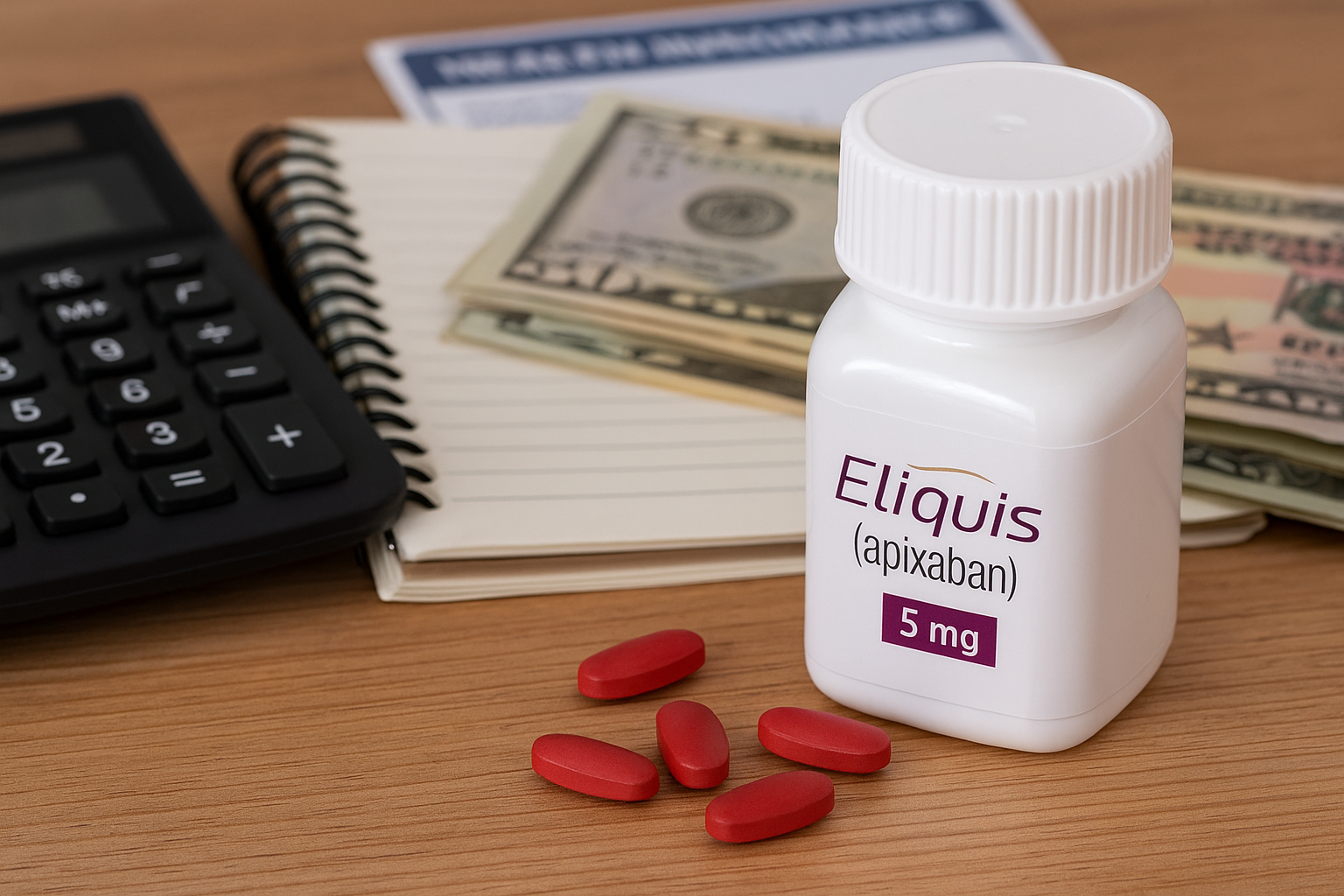
Understanding Eliquis: What is it and Why is it Important?
Eliquis, known generically as apixaban, is a type of medication referred to as an anticoagulant or blood thinner. It plays a critical role in reducing the risk of stroke and blood clots in people with atrial fibrillation (not caused by a heart valve problem). Additionally, it is used to prevent deep vein thrombosis (DVT) and pulmonary embolism (PE) following surgery or in patients with a history of clots. Approved by FDA and widely prescribed by healthcare providers, its impact on improving quality of life and reducing life-threatening events makes understanding its coverage and savings crucial for patients.
How Does Eliquis Work?
Eliquis functions by inhibiting Factor Xa, an essential protein in the blood coagulation process, thereby preventing the formation of blood clots. Unlike older anticoagulants like warfarin, Eliquis does not require constant blood monitoring or dietary adjustments, enhancing patient convenience significantly. Its standard dosing and minimal interactions compared to traditional therapies have made it a preferred choice among patients and healthcare professionals alike.
Eliquis Coverage: What to Expect in 2026
Medicare and Eliquis
As of 2026, Eliquis is covered under Medicare Part D, which provides prescription drug coverage to older adults and certain people with disabilities. Patients typically find Eliquis on most Medicare Part D formularies, usually listed as a preferred drug, which implies lower copayments. However, the exact cost and copayment can vary significantly depending on the specific Medicare plan and region.
Private Insurance Options
Most private insurers offer coverage for Eliquis, though formulary placements can differ, influencing out-of-pocket expenses for patients. It is advisable for individuals to review their insurance plans’ details annually during open enrollment periods, ensuring they understand Eliquis' coverage under their current plan.
- Check tier placement: Understand if Eliquis is categorized as a generic or brand and its tier, affecting cost-sharing.
- Prior authorization requirements: Some insurance companies might necessitate approval or evidence of medical necessity before covering Eliquis.
Strategies for Saving on Eliquis
Manufacturer Savings Programs
The manufacturer of Eliquis offers savings programs that can significantly reduce the financial burden for eligible patients. The Eliquis $10 Co-Pay Card, available through the manufacturer's website, allows qualified individuals to pay as little as $10 per month. Eligibility typically extends to those with commercial insurance and not covered by government insurance such as Medicare or Medicaid.
Generic Options and Alternatives
As patents evolve, the potential introduction of generic alternatives may arise, offering lower-cost options while maintaining efficacy. However, as of 2026, Eliquis remains branded with its generic equivalents still under development. Patients should regularly consult with healthcare providers to stay informed about emerging generic options.
Applying for Assistance
Numerous pharmaceutical assistance programs and non-profit organizations can aid patients financially strained by medication costs. Websites like NeedyMeds or RxAssist offer valuable resources for finding assistance programs that may provide Eliquis at a reduced rate or even for free.
Where Can I Get More Information?
Staying informed is essential when managing chronic conditions and medication expenses. For comprehensive details on coverage, updates, and healthcare news, consider visiting reputable websites like Medicare’s official site (medicare.gov), the American Heart Association, or speaking directly with healthcare providers and pharmacists. Online forums and community support groups can also provide practical advice from others managing similar conditions.