Understanding Your Auto Insurance: Key Eligibility Factors You Should Know
Discover how various auto insurance eligibility factors can determine your insurance rates. Factors such as driving history, vehicle type, and location play a crucial role in shaping your premiums.
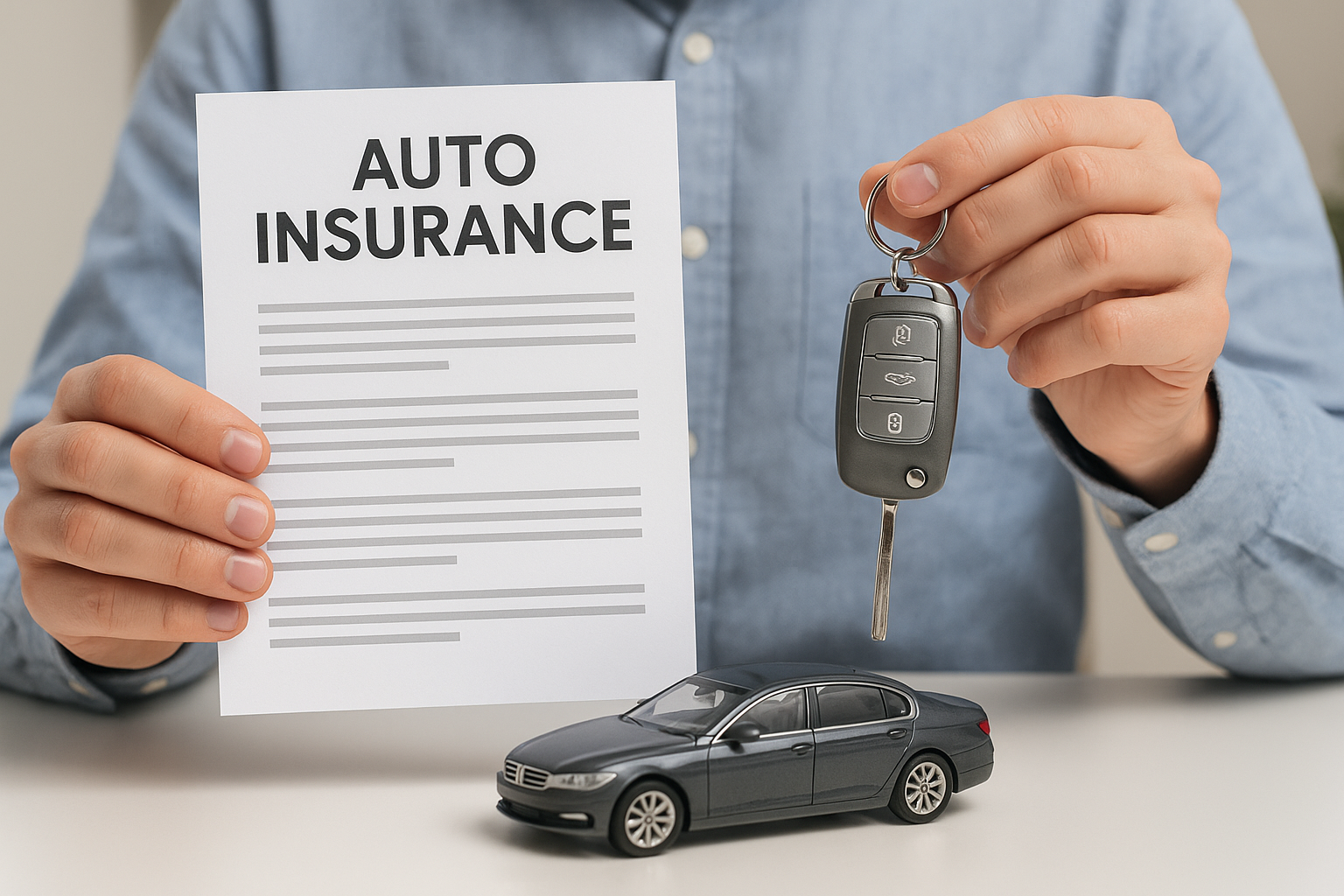
Understanding Auto Insurance Eligibility Factors
Auto insurance is an essential part of car ownership, providing financial protection in the event of accidents or other incidents. However, the process of determining eligibility for auto insurance and the premium costs can be intricate. Various factors influence whether you're eligible for coverage and what you might pay. This guide will delve into these factors to give you a clear understanding of what insurers consider when offering auto insurance.
Key Factors Affecting Auto Insurance Eligibility
Auto insurance companies assess numerous aspects of your driving profile and personal characteristics to gauge risk and determine eligibility. Here are the most influential factors:
- Driving Record: A clean driving record with no accidents or traffic violations often results in better eligibility status and lower premiums. Insurers view drivers with few or no violations as lower risk.
- Vehicle Type: The make, model, and year of your vehicle can significantly impact your insurance eligibility. High-end or sports cars may be considered high risk compared to compact or standard models.
- Location: Your geographic location influences eligibility because areas with high traffic or crime rates might pose greater risks, leading to stricter eligibility criteria.
- Age and Experience: Younger, inexperienced drivers typically face more scrutiny and higher premiums due to a statistically higher chance of accidents.
- Credit Score: Some insurers use credit scores as indicators of responsibility and risk. A higher credit score often makes you more eligible for favorable insurance terms.
Other Considerable Factors
Beyond the primary factors, insurers might also consider additional elements:
- Annual Mileage: The more you drive, the higher the risk of accidents. Insurers often ask about annual mileage to assess eligibility and rates.
- Insurance History: A history of lapsed insurance coverage could affect your eligibility negatively, portraying you as a higher risk to insurers.
- Use of Vehicle: Whether your vehicle is for personal use, business, or both can influence your eligibility. Business use may present a higher risk.
The Role of Recent Trends and Statistics
In 2026, data reveals shifting trends in auto insurance, emphasizing technological advancements and environmental considerations. Here are some impacts these trends have on insurance eligibility:
- Telematics Data: With more vehicles incorporating telematics systems, insurers can assess driving habits directly. Safe driving, as indicated by telematics, could enhance your eligibility and reduce premiums. Learn more about telematics impact.
- Hybrid and Electric Vehicles: The shift towards environmentally friendly cars can affect insurance criteria. While initially premiums might be higher due to repair costs, lower accident rates for these vehicles could improve eligibility over time. Read about green vehicle insurance trends.
Maximizing Your Insurance Eligibility
Improving your eligibility for auto insurance is achievable with proactive measures. Here’s how:
- Maintaining a Clean Driving Record: Avoid traffic violations and accidents by driving safely and defensively.
- Improving Credit Score: Regular payment of bills on time and reducing credit card balances can enhance your credit score over time.
- Choosing the Right Vehicle: Consider the insurance impact when purchasing a vehicle. Opt for cars with high safety ratings and low theft rates.
- Bundling Policies: Many insurers offer discounts for bundling multiple policies, such as home and auto insurance, which can make you a more attractive customer.
Important Considerations for High-Risk Drivers
If you are deemed a high-risk driver due to factors like past accidents or a poor credit score, don’t despair. There are strategies and options available:
- Seek Specialized Insurers: Some companies specialize in high-risk insurance and can provide more tailored solutions.
- Defensive Driving Courses: Completing such courses can demonstrate improved behavior and potentially lower risk, aiding in better eligibility assessment.
- State-Sponsored Programs: In some areas, government programs exist to help high-risk drivers obtain necessary coverage.
Conclusion
Auto insurance eligibility is influenced by a variety of factors, reflecting your risk level and how insurers manage that risk. By understanding and actively managing the factors within your control, you can enhance your eligibility and potentially secure more favorable insurance terms. Staying informed on industry trends and personalizing your approach to driving and insurance can prove beneficial in navigating the ever-evolving landscape of auto insurance.
For comprehensive insights and tailored advice, always consider consulting with an insurance professional who can evaluate your individual circumstances and provide the best course of action. Being proactive is the key to demystifying auto insurance and ensuring you have the coverage that best meets your needs.