Understanding Your First Social Security Payment Date in 2026
Are you considering when the first Social Security payment in 2026 will be disbursed? Planning ahead is crucial for those relying on Social Security benefits. While exact dates can shift, understanding the typical schedule allows you to prepare effectively.
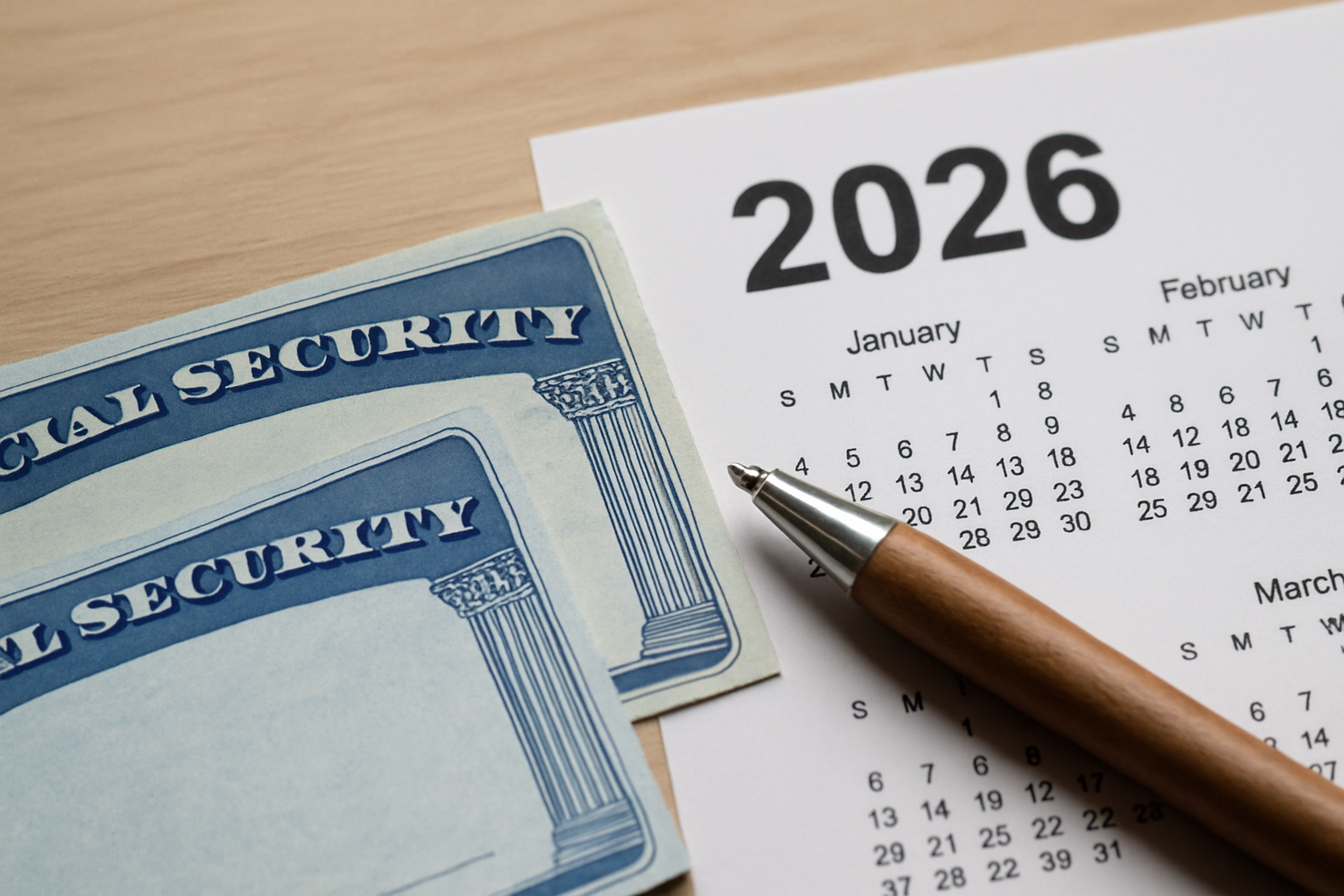
Understanding Social Security Payments
As we look forward to 2026, understanding when you will receive your Social Security payments is crucial for financial planning. For those who depend on these payments, knowing the schedule can help in managing expenses and ensuring financial stability.
When Is the First Social Security Payment in 2026?
The Social Security Administration (SSA) has a set schedule for disbursing payments. In 2026, the first Social Security payment will generally be issued on January 3rd for those who tailor their benefits prior to the date when newer systems are implemented.
The SSA follows a tiered schedule based on the birth date of the recipients:
- Birth dates on the 1st–10th: Payments are issued on the second Wednesday of each month.
- Birth dates on the 11th–20th: Payments are issued on the third Wednesday of each month.
- Birth dates on the 21st–31st: Payments are issued on the fourth Wednesday of each month.
Therefore, your specific date in January 2026 will depend on your birthday as outlined above.
Factors Affecting Social Security Payments
Several factors affect when and how much Social Security benefits you receive, including:
Full Retirement Age (FRA)
The full retirement age varies depending on your birth year. For those born between 1943 and 1954, the FRA is 66, while for those born in 1960 or later, it is 67. Claiming benefits before reaching FRA results in reduced monthly payments.
Cost-of-Living Adjustments (COLAs)
Each year, Social Security payments are adjusted for inflation. The SSA uses the Consumer Price Index for Urban Wage Earners and Clerical Workers (CPI-W) to determine COLAs. In 2026, analysts project an increase based on current economic patterns. An estimated increase of around 3% is possible. For more information on recent projections and economic implications, you can visit the Social Security Administration COLA Page.
Tips for Maximizing Social Security Benefits
Wait Until Full Retirement Age
One of the simplest ways to maximize benefits is to wait until reaching your FRA before claiming benefits. Delaying beyond the FRA, up to age 70, increases your benefits by a certain percentage.
Understand Spousal and Survivor Benefits
If you are married, you may be entitled to spousal benefits up to 50% of your spouse's benefit amount. Additionally, survivor benefits can be critical if a spouse passes away, ensuring financial security. The details on benefits can be complex, and it's advisable to read more about Spousal Benefits and Survivor Benefits on the SSA's website.
Frequently Asked Questions
To further aid your understanding, let's address some common questions:
What happens if the payment date falls on a holiday?
If your payment date falls on a federal holiday, SSA processes payments on the first business day before the holiday.
Can payment dates change?
Generally, the SSA maintains a consistent schedule. However, changes can occur due to administrative needs or legislative acts, so monitoring SSA announcements is wise.
How can I check my payment status?
You can check your payment status by creating a 'my Social Security' account on the SSA's website, offering a personalized dashboard to track benefits and estimates.
In conclusion, having clear knowledge of the Social Security payment schedule and factors affecting your benefits can aid significantly in planning your financial future. Being proactive about your Social Security education allows you to make informed decisions regarding when to start claiming benefits and how to optimize your retirement income.
SSA Schedule of Social Security Payments
Official 2026 Social Security Benefit Payment Calendar (PDF)