Understanding Your Housing Costs: Moving to Florida Edition
Thinking about moving to Florida? Discover what to expect when it comes to housing costs in the Sunshine State. From rent in bustling cities to purchasing homes in quieter suburbs, you’ll learn key insights to help plan your budget.
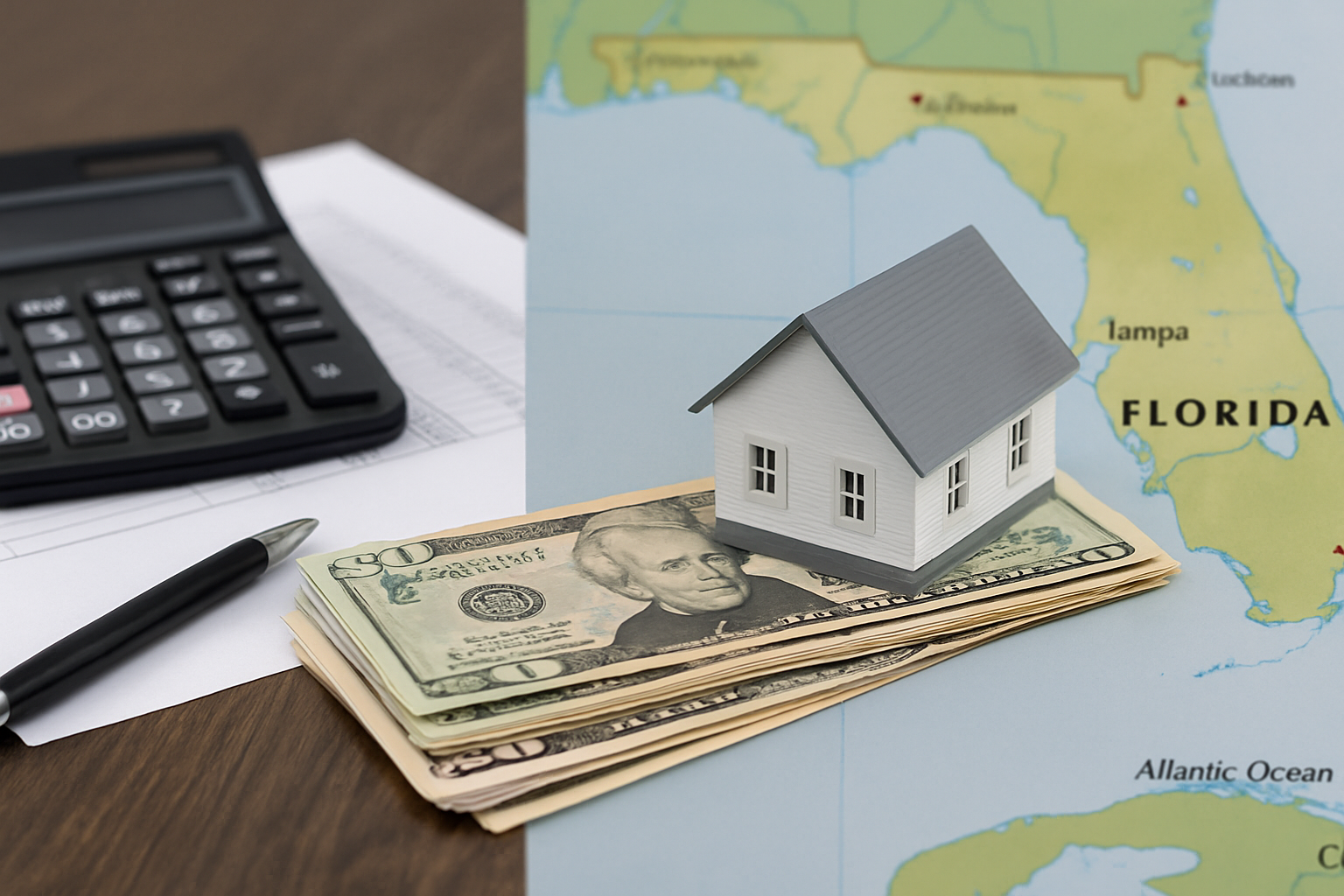
Understanding the Cost of Living in Florida
If you're considering a move to Florida, you're probably wondering about the cost of living, especially when it comes to rent and housing. As of 2026, Florida remains one of the most sought-after states to live in the U.S., attracting both retirees and young professionals alike. However, the costs can vary significantly depending on the area you choose.
How Much Is Rent in Florida?
The rental market in Florida is diverse, with prices varying greatly from city to city. As of this year, the average rent for an apartment in Florida is approximately $1,800 per month. However, urban centers and popular coastal cities can have higher rents. For instance:
- Miami: As a bustling metropolitan and tourist destination, the average rent for a one-bedroom apartment is around $2,300 per month.
- Orlando: Known for its theme parks, it is relatively more affordable, with a one-bedroom averaging $1,500 per month.
- Tampa: Offers a balance of coastal living and city life, with a one-bedroom costing about $1,700 per month.
- Jacksonville: This city features some of the most affordable rents in Florida, averaging $1,400 for a one-bedroom apartment.
Rural or less tourist-heavy areas tend to have more reasonable rental prices, but these come with trade-offs in accessibility to certain amenities and jobs.
What Are the Housing Prices Like?
The Florida housing market has witnessed substantial growth, with the median home price reaching approximately $390,000 in 2026. This is indicative of a 9% rise from the previous year, according to data from Florida Realtors and Realtor.com. Of course, prices vary by location:
- South Florida: Known for its luxury real estate, South Florida, including areas like Miami and Fort Lauderdale, sees median house prices upwards of $500,000.
- Central Florida: In more suburban areas around Orlando, home prices are slightly lower, averaging around $350,000.
- Northwest Florida: Offers more affordable options with median prices around $300,000, especially attractive in areas like Pensacola.
Purchasing a home may also come with additional costs such as property taxes and homeowner association fees, which vary depending on the specific area and type of property.
Factors Affecting Rent and Housing Prices in Florida
Several factors contribute to the rising rent and housing prices in Florida. Understanding these can better prepare you for the decision-making process:
Population Growth
Florida's population continues to grow at an accelerated pace. People flock to Florida for its climate, job opportunities, and lack of state income tax. With a growing population comes increased demand for housing, significantly impacting both the rental and home buying markets.
Tourism and Job Market
Tourism heavily influences specific areas like Orlando and Miami. These cities are not only vacation hotspots but also home to diverse and robust job markets in hospitality, healthcare, and technology, attracting more people and impacting housing demand.
NaturaDisasters
While Florida's climate is idyllic, it is also prone to hurricanes. This affects insurance rates and, consequently, housing affordability. Recent hurricanes have heightened awareness and demand stricter building codes, raising construction costs.
How to Determine the Right Area for You
Deciding where to live in Florida should depend on several personal factors including lifestyle, budget, and career aspirations. Here are a few tips to help narrow down your choices:
Research the Local Job Market
Consider the industries that thrive in different Florida cities. For instance, Miami and Orlando offer abundant opportunities in tourism and technology, whereas Tampa is known for finance and commerce.
Understand Community and Lifestyle Preferences
Identify what lifestyle suits you best. Are you looking for a bustling urban setting, a laid-back beach town, or a community-oriented suburban area? This preference will heavily influence your living experience in Florida.
Consider the Education System
If you have children, the quality of the local education system might be a top priority. Research school ratings and districts, which can also affect nearby property values.
Conclusion
Deciding to move to Florida involves weighing numerous factors, especially when it comes to understanding rents and housing costs. The right location within Florida can vary greatly based on individual needs and financial circumstances. By conducting thorough research and considering long-term personal and professional goals, you can make an informed decision that aligns with your vision of life in the Sunshine State.