Understanding Your Options: A Comprehensive Guide to Thyroid Eye Disease Treatments
Navigating a diagnosis of Thyroid Eye Disease (TED) means understanding the road ahead, and that starts with knowing your treatment options.
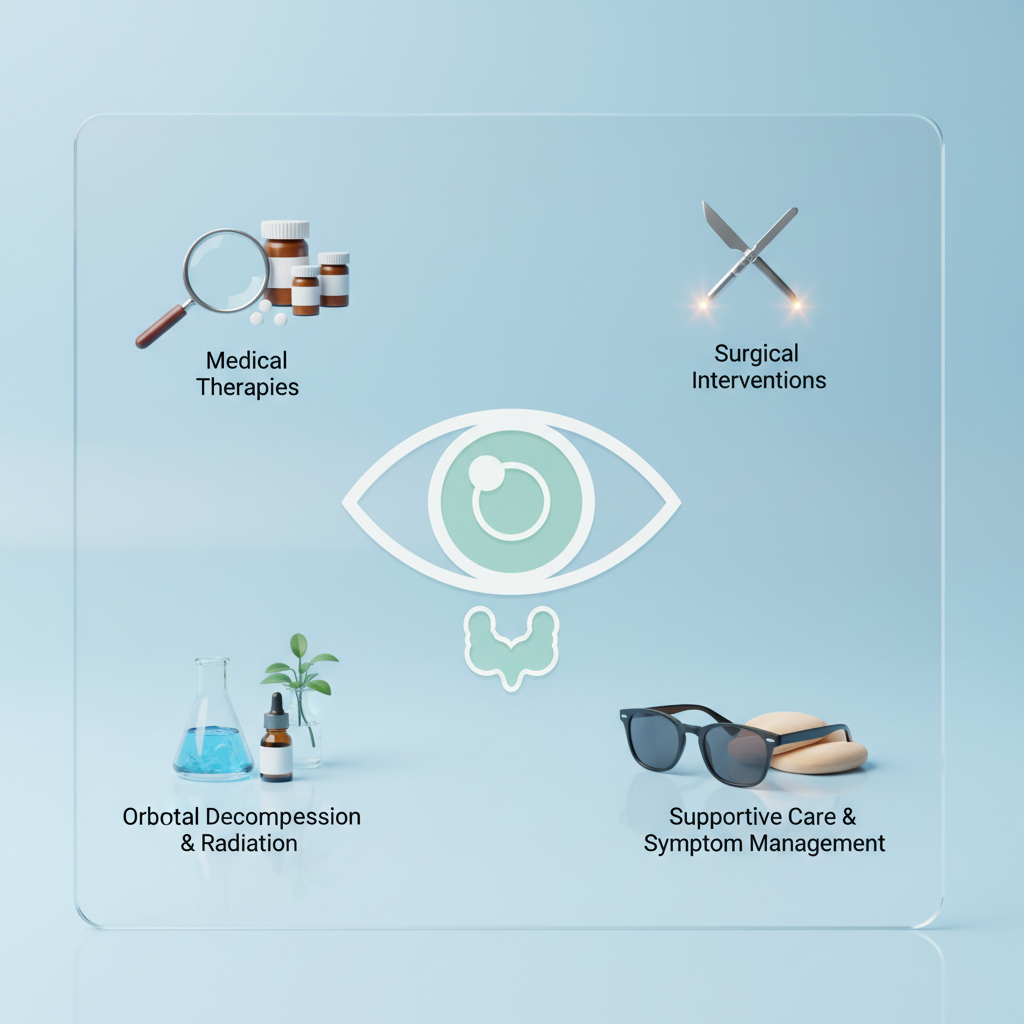
A Comprehensive Guide to Treatment Options for Thyroid Eye Disease
Thyroid Eye Disease (TED), also known as Graves' ophthalmopathy or orbitopathy, is an autoimmune condition where the body's immune system attacks the tissues behind and around the eyes. This can lead to a range of symptoms, from dry, gritty eyes to significant bulging (proptosis) and double vision. Managing TED requires a multi-faceted approach, with treatment options varying based on the severity and phase of the disease. The primary goals are to preserve vision, reduce inflammation, alleviate symptoms, and improve the appearance of the eyes.
Treatment is typically divided into two main categories: managing the active, inflammatory phase of the disease and addressing the residual, stable changes in the inactive phase. Below is a detailed list of the common treatment options available for patients with Thyroid Eye Disease.
Corticosteroids
For many years, corticosteroids have been a first-line treatment for moderate-to-severe active Thyroid Eye Disease. These powerful anti-inflammatory drugs work by suppressing the overactive immune response that causes swelling and inflammation in the eye tissues. They can be administered in two primary ways: intravenously (IV) or orally. Intravenous methylprednisolone, given in a series of infusions, is often preferred because it tends to be more effective and has a better side-effect profile compared to long-term oral prednisone.
While effective at reducing inflammation and swelling during the active phase, corticosteroids are not a cure. They help manage the symptoms until the disease transitions into its inactive phase. Potential side effects are a significant consideration, especially with high-dose or long-term oral use. These can include weight gain, mood changes, elevated blood sugar, and increased risk of infection. For this reason, their use is carefully monitored by a physician.
Teprotumumab-trbw (Tepezza)
A significant advancement in the treatment of active TED is the FDA-approved medication Teprotumumab-trbw, sold under the brand name Tepezza. This is a biologic drug known as an insulin-like growth factor-1 receptor (IGF-1R) inhibitor. It works by targeting a specific mechanism that drives the inflammation and tissue expansion behind the eyes. Unlike corticosteroids, which offer broad immunosuppression, Tepezza provides a more targeted approach.
Administered via intravenous infusion over a series of eight treatments, Tepezza has been shown in clinical trials to significantly reduce eye bulging (proptosis), double vision (diplopia), and inflammation. It is the first medication specifically approved to treat the underlying cause of TED, not just the symptoms. While it has proven highly effective for many patients, it is a specialized and costly treatment. Common side effects can include muscle spasms, nausea, and hearing issues, which require careful monitoring by the healthcare team.
Orbital Radiation Therapy
Orbital radiation is a treatment option sometimes used for patients with moderate-to-severe active TED, particularly those who cannot tolerate or do not respond well to corticosteroids. This therapy involves delivering low, targeted doses of radiation to the tissues behind the eyes. The goal is to reduce the number of inflammatory cells (lymphocytes) in the orbital tissues, thereby decreasing swelling and relieving pressure on the optic nerve.
Radiation therapy is most effective at reducing swelling and improving double vision. However, its effect on reducing eye bulging is limited. It is often used in combination with corticosteroids to enhance its effectiveness. The treatment is delivered over a period of about two weeks in short, daily sessions. While generally considered safe at the low doses used for TED, potential long-term risks, though small, are always a consideration discussed with the patient.
Surgical Interventions
Surgery is typically reserved for the inactive, or stable, phase of Thyroid Eye Disease, after the inflammation has subsided. The purpose of surgery is to correct the lasting physical changes caused by the disease. There are several types of surgical procedures, often performed in a specific sequence.
- Orbital Decompression Surgery: This procedure is performed to relieve pressure on the optic nerve if vision is threatened or to reduce significant eye bulging for functional or cosmetic reasons. The surgeon creates more space in the eye socket (orbit) by removing small pieces of bone or fat, allowing the eye to settle back into a more natural position.
- Strabismus (Eye Muscle) Surgery: The swelling and scarring of eye muscles during the active phase can cause them to become stiff, leading to misalignment and double vision. Strabismus surgery aims to correct this by repositioning the eye muscles to realign the eyes and restore single vision, particularly when looking straight ahead.
- Eyelid Surgery (Blepharoplasty): TED often causes the eyelids to retract, creating a characteristic "stare" appearance and preventing the eyes from closing properly. Eyelid surgery can lower upper eyelids or raise lower eyelids to a more normal position, improving both function (protecting the cornea) and appearance.
Supportive and Symptomatic Treatments
Alongside medical and surgical interventions, various supportive therapies are crucial for managing the day-to-day discomfort of TED. For mild cases, these may be the only treatments needed. For more severe cases, they complement other therapies. These treatments focus on alleviating symptoms like dryness, irritation, and light sensitivity.
Common supportive measures include using over-the-counter lubricating eye drops or gels (artificial tears) to combat dryness, wearing sunglasses to reduce light sensitivity, and sleeping with the head elevated to minimize fluid accumulation around the eyes overnight. Some studies suggest that selenium supplements may be beneficial for patients with mild, active TED, potentially helping to slow disease progression. Prisms can also be fitted into eyeglasses as a non-surgical way to temporarily correct minor double vision.
Other Immunosuppressants
In some cases where first-line treatments are not effective or tolerated, other immunomodulating or immunosuppressive drugs may be considered. These are typically used "off-label," meaning they are not specifically FDA-approved for TED but have shown some effectiveness in clinical practice or smaller studies. Medications like mycophenolate mofetil and rituximab work by suppressing different parts of the immune system to reduce inflammation.
These treatments are generally reserved for more complex or severe cases of active TED under the guidance of a specialist. They target the autoimmune process driving the disease and can be an alternative for patients who need long-term control of inflammation. The decision to use these medications involves a careful weighing of potential benefits against the risks of systemic immunosuppression.
Understanding Thyroid Eye Disease: The 'Why' Behind the Treatment
Thyroid Eye Disease is intrinsically linked to Graves' disease, an autoimmune disorder where the immune system mistakenly attacks the thyroid gland, causing it to produce excess thyroid hormone (hyperthyroidism). In TED, the same antibodies that target the thyroid gland—specifically, the thyroid-stimulating hormone receptor (TSHR) antibodies—also recognize and attack receptors on cells in the tissues behind the eye. This misguided immune attack triggers inflammation, swelling, and the buildup of tissue and fat in the orbit.
The disease progresses through two distinct phases, which dictate the treatment strategy. The first is the active (or inflammatory) phase, which can last from several months to a couple of years. During this time, the orbital tissues are actively inflamed, leading to redness, pain, swelling, and progressive changes like eye bulging and double vision. Treatments during this phase, such as corticosteroids and Tepezza, are focused on controlling this inflammation to prevent permanent damage. The second phase is the inactive (or stable) phase. In this stage, the inflammation has resolved, but the physical changes—such as scarring, muscle restriction, and proptosis—remain. Treatments in the inactive phase, primarily surgery, are aimed at correcting these residual issues.
Common Questions About Living with Thyroid Eye Disease
Can Lifestyle Changes Help Manage TED Symptoms?
While lifestyle changes cannot cure Thyroid Eye Disease, they can play a significant supportive role in managing symptoms and overall well-being. The single most important lifestyle modification is smoking cessation. Smoking is a major risk factor for developing TED and is strongly associated with more severe disease and a poorer response to treatment. Quitting smoking can significantly improve the outlook for a patient with TED.
Maintaining stable thyroid hormone levels is also crucial. Working closely with an endocrinologist to manage the underlying Graves' disease through medication, radioactive iodine, or surgery can help prevent worsening of eye symptoms. Some patients also find relief from swelling by sleeping with their head elevated on extra pillows and reducing their sodium intake to minimize fluid retention.
What is the Difference Between the Active and Inactive Phases of TED?
Distinguishing between the active and inactive phases of Thyroid Eye Disease is fundamental to determining the right course of treatment. The active phase is characterized by ongoing inflammation. Symptoms during this period are dynamic and can worsen over time. Patients may experience redness, watery eyes, a gritty sensation, pain or pressure behind the eyes, and increasing double vision or proptosis. The goal of treatment in this phase is to use anti-inflammatory and immunosuppressive therapies to calm the immune response and halt disease progression.
Conversely, the inactive phase begins when the inflammation has subsided and the condition has stabilized. This means that symptoms like bulging and double vision are no longer worsening. However, the physical changes that occurred during the active phase are often permanent due to scarring and tissue expansion. At this point, anti-inflammatory treatments are no longer effective. Instead, treatment shifts to rehabilitative measures, such as surgery, to correct the lasting anatomical changes and improve function and appearance.
How is Thyroid Eye Disease Diagnosed?
The diagnosis of Thyroid Eye Disease is primarily clinical, meaning it is based on a thorough physical examination and a patient's medical history. An ophthalmologist, particularly one with experience in orbital diseases, will look for the characteristic signs of TED, such as eyelid retraction, eye bulging, and restricted eye movement. The diagnosis is often straightforward in a patient with a known history of Graves' disease.
To confirm the diagnosis and assess the severity, several tests may be ordered. Blood tests are used to measure thyroid hormone levels and check for the presence of thyroid-specific antibodies (like TSHR antibodies). Imaging tests, such as a CT scan or MRI of the orbits, can provide detailed images of the eye muscles and soft tissues. These scans help visualize the extent of muscle swelling and fat expansion, rule out other conditions, and assess for any compression of the optic nerve, which is a rare but serious complication.
Conclusion
The treatment landscape for Thyroid Eye Disease has evolved significantly, offering more options than ever before. The approach to management is highly individualized, depending on whether the disease is in its active or inactive phase, the severity of the symptoms, and the impact on the patient's vision and quality of life. From supportive care and anti-inflammatory medications to targeted biologics and corrective surgeries, the goal is to navigate patients through the course of the disease, minimize permanent damage, and restore function and appearance. Effective management relies on a collaborative effort between the patient and a multidisciplinary team of specialists, including an ophthalmologist and an endocrinologist.
For More Information:
You can find additional resources and support from the following organizations: