Understanding Your Options: How Pills Can Aid in Sinus Relief
When sinus pressure and that all-too-familiar headache strike, finding the right pill for relief is the top priority.
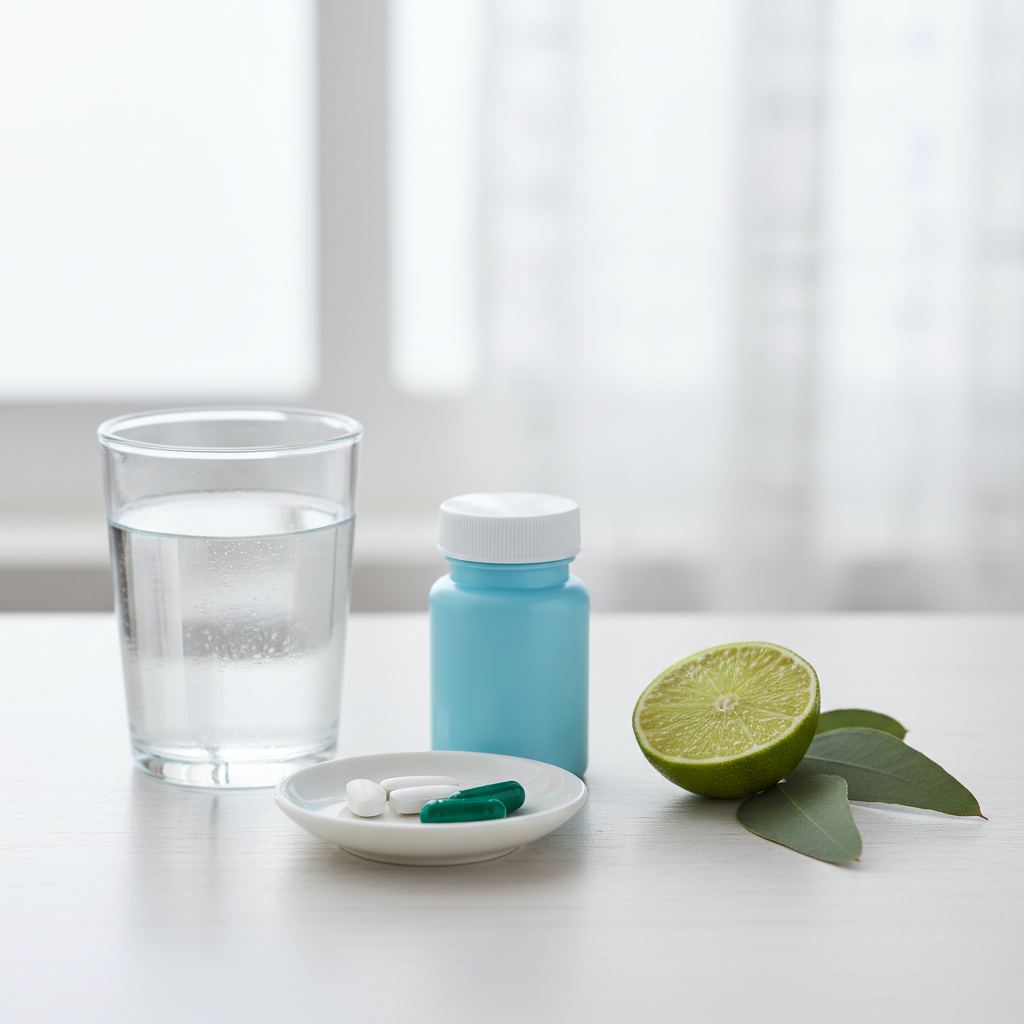
A Guide to Pills That Help With Sinus Congestion and Pain
Sinus pressure, congestion, and pain can be incredibly disruptive, turning a normal day into a struggle. Caused by inflamed or infected sinuses (sinusitis), these symptoms often send people searching for relief in the pharmacy aisle. Understanding the different types of over-the-counter (OTC) pills available can help you make an informed choice for your specific symptoms. This guide breaks down the primary categories of medications designed to alleviate sinus issues.
1. Decongestants
Decongestants are often the first line of defense for sinus congestion. Their primary function is to reduce swelling in the nasal passages. They work by narrowing the blood vessels in the lining of your nose, which decreases blood flow and allows swollen tissues to shrink. This process opens up the airways, making it easier to breathe and helping mucus drain more effectively from the sinuses. Decongestants are particularly effective for relieving the "stuffy" feeling associated with a cold or sinus infection.
These medications come in several forms, with common active ingredients like pseudoephedrine and phenylephrine. Pseudoephedrine is generally considered more effective and is often kept behind the pharmacy counter due to regulations, while phenylephrine is widely available on open shelves. It's important to note that oral decongestants can have side effects, such as increased heart rate, elevated blood pressure, and feelings of jitteriness or anxiety. For this reason, individuals with heart conditions, high blood pressure, or thyroid problems should consult a doctor before taking them.
2. Antihistamines
If your sinus problems are triggered by allergies, antihistamines are the go-to solution. Allergies cause your body to release histamines, which are chemicals that lead to symptoms like sneezing, itching, a runny nose, and swelling of the nasal passages. Antihistamines work by blocking the effects of these histamines, thereby reducing the allergic reaction and its associated sinus symptoms. They are most effective for seasonal allergies (hay fever) or reactions to dust, mold, or pet dander.
There are two main generations of antihistamines. First-generation options, like diphenhydramine and chlorpheniramine, are very effective but are known for causing significant drowsiness. Newer, second-generation antihistamines, such as loratadine, cetirizine, and fexofenadine, are designed to be non-drowsy or less-drowsy, making them a better choice for daytime use. While they are excellent for allergy-related sinus issues, they may not be as effective for congestion caused by a common cold or viral infection, and can sometimes thicken mucus.
3. Pain Relievers (Analgesics)
One of the most debilitating symptoms of sinusitis is the persistent, throbbing pain and pressure in the forehead, cheeks, and around the eyes. Over-the-counter pain relievers can provide significant relief from this discomfort. These medications don't address the root cause of the congestion, but they make the symptoms much more manageable while your body fights off the infection or inflammation. They are often used in combination with other sinus medications, like decongestants, for comprehensive symptom control.
Common options include acetaminophen and nonsteroidal anti-inflammatory drugs (NSAIDs) like ibuprofen and naproxen sodium. Acetaminophen is effective at reducing pain and fever but does not target inflammation. NSAIDs, on the other hand, tackle pain, fever, and inflammation, which can be particularly beneficial for swollen sinus tissues. It is crucial to follow the dosage instructions on the package and to be aware of potential side effects, such as stomach upset with NSAIDs or liver concerns with high doses of acetaminophen.
4. Combination Medications
For convenience, many brands offer combination products that target multiple sinus symptoms at once. These pills typically contain a mix of ingredients, such as a decongestant, a pain reliever, and sometimes an antihistamine or a cough suppressant. For example, a common "sinus and cold" formula might include acetaminophen for pain and fever, phenylephrine for congestion, and an antihistamine for a runny nose. These can be very effective and simplify your medication routine.
However, it's essential to carefully read the label of any combination product to ensure you are only taking medication for the symptoms you actually have. Taking unnecessary ingredients can increase the risk of side effects without providing any additional benefit. For instance, if you only have sinus pressure and pain but no runny nose or sneezing, a product containing just a decongestant and a pain reliever would be more appropriate than one that also includes an antihistamine.
Understanding the Root Causes of Sinus Problems
While pills can provide temporary relief, understanding what’s causing your sinus issues is key to long-term management. Sinusitis, the medical term for inflamed sinuses, is not a one-size-fits-all condition. The most common cause is a viral infection, such as the common cold. In this case, the inflammation is part of your body's natural immune response. The sinuses swell, trapping mucus and creating that familiar feeling of pressure and congestion. Viral sinusitis typically resolves on its own within 7 to 10 days.
Another major trigger is allergies. When you're exposed to an allergen like pollen, dust mites, or pet dander, your immune system overreacts, releasing chemicals like histamine that cause the nasal passages and sinuses to swell. This is known as allergic rhinitis, and it can lead to chronic sinus problems if not managed properly. Less commonly, a bacterial infection can develop, often as a secondary complication after a viral infection has lingered for too long. Bacterial sinusitis may require antibiotics prescribed by a doctor. Finally, structural issues within the nose, such as a deviated septum or nasal polyps, can physically block the sinuses from draining properly, leading to chronic inflammation and recurring infections.
Common Questions About Managing Sinus Issues
When dealing with sinus discomfort, many people have follow-up questions about how to best manage their symptoms. Here are a few common topics that often come up.
Can I Combine Different Sinus Medications?
Combining different over-the-counter medications is common, but it must be done carefully. The most important rule is to avoid doubling up on the same active ingredient. For instance, if you take a multi-symptom cold and sinus pill that already contains acetaminophen, you should not take additional acetaminophen for pain relief. This can lead to an accidental overdose, which can be dangerous.
However, it is often safe and effective to combine medications from different classes. For example, you might take ibuprofen (a pain reliever/anti-inflammatory) alongside a standalone decongestant like pseudoephedrine. This combination would address both pain and congestion. If your symptoms are allergy-based, you might pair an antihistamine with a decongestant. Before mixing any medications, it's always wisest to read the labels thoroughly or ask a pharmacist for guidance to ensure there are no negative interactions.
Are There Effective Natural and Home Remedies?
Absolutely. Medical treatments can be powerfully supported by at-home care. One of the most effective non-pill remedies is saline nasal irrigation. Using a neti pot or a saline spray bottle helps to flush mucus, allergens, and irritants out of the nasal passages, reduce swelling, and improve drainage. It’s a simple and safe way to thin mucus and soothe inflamed tissues.
Steam inhalation is another excellent remedy. Breathing in warm, moist air—either from a hot shower, a bowl of hot water, or a humidifier—can help loosen congestion and relieve sinus pressure. Staying well-hydrated by drinking plenty of water is also crucial, as it helps keep your mucus thin and flowing. Applying a warm compress to your face over the sinus areas can also help ease pain and pressure. These natural approaches can be used alongside OTC medications to provide comprehensive relief.
When Should I See a Doctor for Sinus Pain?
While most cases of sinusitis can be managed at home, certain signs indicate it's time to seek professional medical advice. You should see a doctor if your symptoms persist for more than 10 days without any improvement. A long-lasting sinus infection could be bacterial and may require antibiotics.
Other red flags include a high fever (above 102°F or 39°C), severe or worsening headache or facial pain, or symptoms that improve but then suddenly get worse. You should also seek immediate medical attention if you experience vision changes, such as double vision, swelling or redness around your eyes, a stiff neck, or confusion. These could be signs of a more serious infection that has spread beyond the sinuses. A doctor can properly diagnose the cause of your sinusitis and recommend the most appropriate course of treatment.
Conclusion
Navigating the world of sinus medication can feel overwhelming, but understanding the basic categories helps clarify your options. Decongestants target stuffiness, antihistamines fight allergy symptoms, and pain relievers manage the associated aches and pressure. Combination products offer a convenient way to address multiple symptoms at once. By identifying your primary symptoms, you can choose the most suitable over-the-counter pill to help you find relief. For persistent or severe symptoms, consulting a healthcare professional is always the best course of action.
For further reading and information, you can visit these resources: