Unleashing the True Potential of Your Tires: Essential Performance Features for Safe Driving
Discover the key tire performance features that matter on the road and can enhance your driving experience. Whether you're navigating wet roads or tackling rough terrain, understanding how different tires perform is crucial.
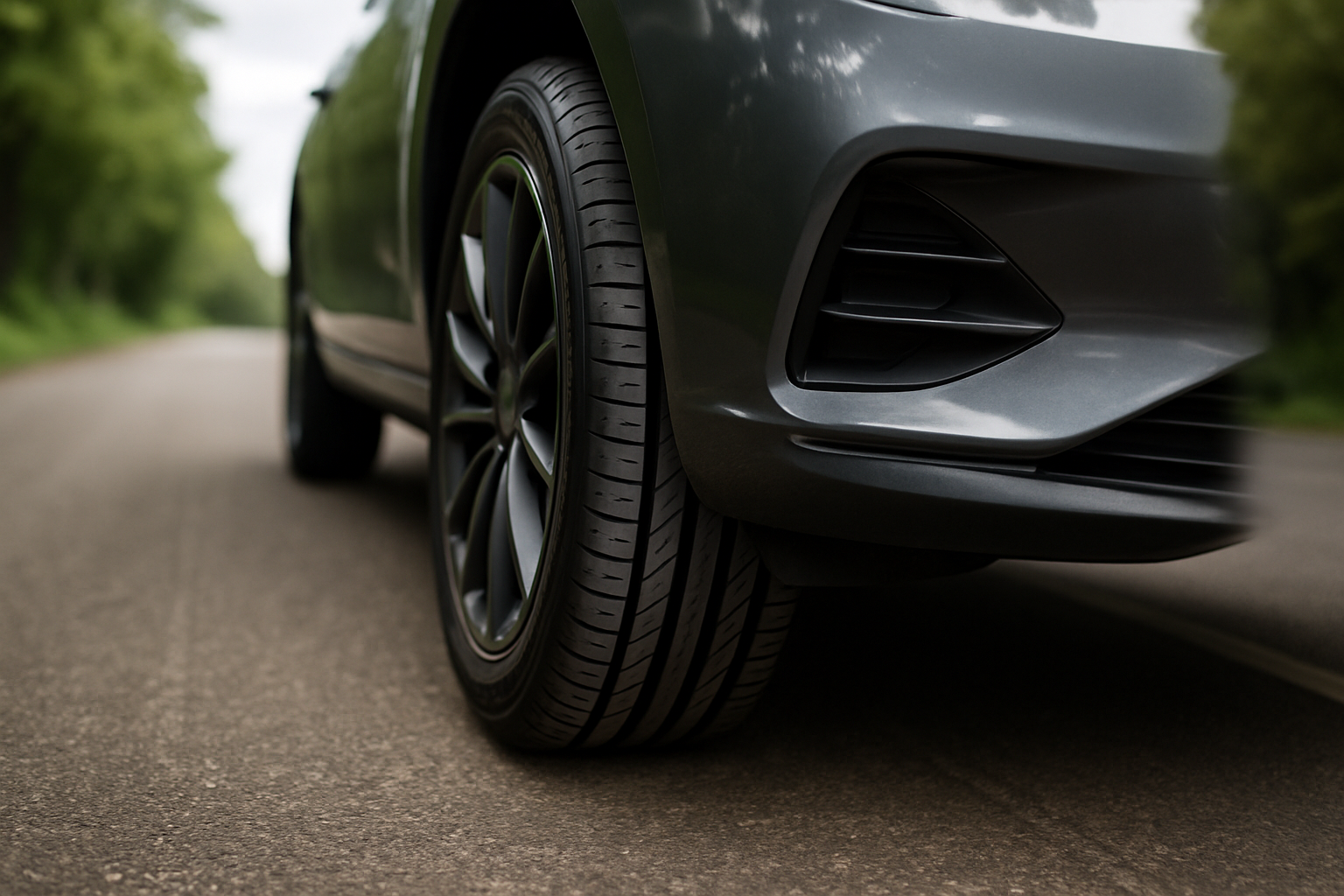
Understanding Tire Performance Features
Tires might seem like a straightforward component of your vehicle, but they play a crucial role in safety, fuel efficiency, and driving comfort. Given the myriad of choices available, understanding key tire performance features can help you make an informed decision when purchasing new tires. Let's dive into the critical aspects that matter on the road.
Grip and Traction: Foundation of Safety
Grip and traction are fundamental to a tire's performance. These features determine how well your vehicle can maintain control on different surfaces and during various weather conditions.
- Rubber Compound: The formulation of the tire’s rubber compound impacts its grip. Performance tires often use softer compounds for improved grip but may wear out faster.
- Tread Design: The pattern and depth of the tread are designed to optimize contact with the road. For example, asymmetrical tread patterns offer a balance between dry and wet traction.
- All-Season vs. Specialized Tires: All-season tires provide a balanced performance, whereas summer and winter tires are optimized for specific conditions, such as high temperatures or snow.
Current research, such as the 2026 study by the National Highway Traffic Safety Administration (NHTSA), highlights that proper tire grip can significantly reduce stopping distances and improve handling in emergency situations.
Durability and Longevity: Getting More Miles
The lifespan of a tire depends on several factors, including its materials, driving habits, and maintenance. The longer a tire lasts while maintaining its performance, the better value it provides.
- Materials Used: Look for tires utilizing advanced technologies, such as silica compounds, which are known to enhance durability.
- Treadwear Rating: Tires come with a treadwear indicator that serves as a guideline for durability. Higher ratings usually indicate a longer lifespan.
- Regular Maintenance: Regular checks on alignment, rotation, and inflation can maximize tire life and performance.
According to a 2026 report by Consumer Reports, properly maintained tires can add up to 20% more life compared to those neglected, suggesting significant savings over the tire's life.
Fuel Efficiency: Cost Saving and Environmentally Friendly
Fuel-efficient tires can contribute to cost savings on fuel and also help to minimize environmental impact. Here's what to consider in terms of tire and fuel efficiency:
- Low Rolling Resistance: Tires designed to reduce rolling resistance require less energy to move, thereby saving fuel.
- Tire Pressure: Keeping your tires inflated to the recommended level enhances fuel efficiency.
- Eco-Friendly Designs: Some tire manufacturers produce models with sustainability in mind, using renewable materials and processes that reduce carbon footprints.
Recent trends suggest a growing consumer preference for eco-friendly tires which, as per the Green Transportation Report 2026, have shown to cut fuel consumption by an average of 4%.
Comfort and Noise Levels: Enhancing the Driving Experience
Comfort is another essential aspect of tire performance. Tires with optimized designs can reduce road noise and improve ride comfort significantly.
- Noise Reduction Treads: Many modern tires are built with technologies designed to minimize road noise, such as specific tread patterns that cancel out noise frequencies.
- Suspension Compatibility: Selecting tires that are well-suited to your car's suspension can also enhance overall comfort.
- Vibration Handling: High-quality tires absorb shocks from road irregularities better, leading to a smoother ride.
In a 2026 survey by Automobile Magazine, 60% of drivers reported an increase in driving satisfaction when switching to noise-reduction tires.
Weather Adaptability: Preparing for The Unexpected
Weather conditions greatly affect driving performance and tire wear. Specialized tires can dramatically improve safety in adverse conditions.
- Snow and Ice: Winter tires with deep treads and more siping offer superior performance on ice and snow.
- Wet Conditions: Tires designed with wider grooves and silica-enhanced compounds can effectively evacuate water to prevent hydroplaning.
- Extreme Temperatures: High-performance summer tires are designed to withstand higher temperatures without performance loss.
As outlined by the International Tire and Rubber Association's 2026 findings, using weather-appropriate tires can reduce the risk of accidents by up to 30% in extreme conditions.
Conclusion: Choosing the Right Tire
Choosing the right tire means considering your specific driving needs, geographic conditions, and personal preferences. By understanding how grip, durability, fuel efficiency, comfort, and adaptability affect tire performance, you can improve your driving safety and comfort while potentially saving money over the long term.
For more detailed guidelines and tire recommendations, consider visiting resources such as the Tire and Rubber Association of America and online reviews from trusted automobile platforms like Consumer Reports.