Unlock Career Opportunities with Online Electrician Courses
Thinking about a career as an electrician but need a flexible way to start? Online courses are a popular option, but it's natural to wonder how they translate into an actual job offer.
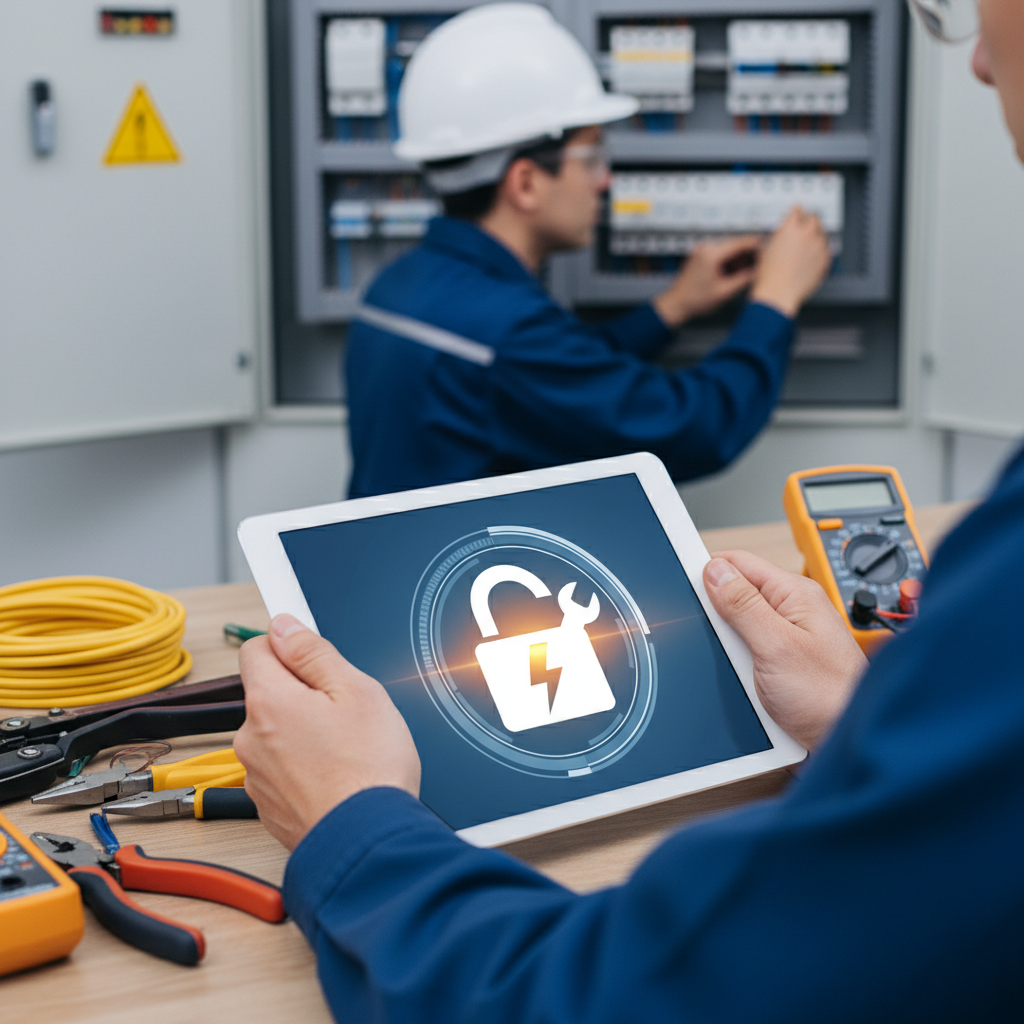
Gaining Foundational Knowledge and Theory
One of the most significant ways online electrician courses can help you secure a job is by providing a strong foundation in electrical theory. Before you can safely and effectively work with wiring, circuits, and electrical systems, you need to understand the principles that govern them. Online programs excel at delivering this theoretical knowledge in a structured and accessible format. You'll dive deep into topics like Ohm's Law, circuitry, AC/DC currents, and the National Electrical Code (NEC). This classroom-based learning is a critical prerequisite for any hands-on work.
When you apply for an apprenticeship or an entry-level position, having this foundational knowledge already under your belt makes you a much more attractive candidate. Employers see that you have taken the initiative to learn the "why" behind the work, which means they can spend less time teaching you the absolute basics and more time guiding you through practical, on-the-job skills. You arrive on day one able to understand the terminology, read basic schematics, and grasp safety concepts, immediately setting you apart from applicants with no prior training.
Flexibility for Aspiring Apprentices
The path to becoming an electrician often involves juggling existing responsibilities, such as a current job or family commitments. Traditional trade schools with rigid schedules can be a barrier for many. Online courses remove this obstacle by offering unparalleled flexibility. You can study from home, on your own schedule, whether it's early in the morning, late at night, or on weekends. This self-paced learning environment allows you to absorb complex information at a speed that works for you, without the pressure of a fixed classroom setting.
This flexibility is not just about convenience; it's a practical advantage in your job search. It allows you to continue earning an income while you train, making the career transition financially viable. Furthermore, it enables you to start looking for and applying to apprenticeships while you are still completing your coursework. You can tell potential employers that you are actively enrolled and learning, demonstrating a serious commitment to the trade without having to quit your current job prematurely.
Demonstrating Initiative to Potential Employers
Enrolling in and completing an online electrician course is a powerful signal to potential employers. It shows that you are proactive, self-motivated, and serious about pursuing a career in the electrical trade. In a competitive job market, this kind of initiative can be a deciding factor. Employers are not just hiring for skills; they are hiring for attitude and work ethic. Successfully navigating an online program proves that you have the discipline and dedication to learn independently, which are highly valued traits in any skilled trade.
When you list a completed or in-progress online certification on your resume, it tells a story. It says that you didn't just decide to become an electrician on a whim; you invested your own time and money into building a knowledge base. During an interview, you can speak confidently about the concepts you've learned, from safety protocols to circuit theory. This ability to "talk the talk" right from the start can leave a lasting positive impression and convince an employer that you are a worthy investment for an apprenticeship program.
Preparing for Certification and Licensing Exams
The ultimate goal for any electrician is to become licensed, and this requires passing a rigorous exam. These exams are heavily based on the National Electrical Code (NEC) and other theoretical concepts that are thoroughly covered in online courses. Many online programs are specifically designed to prepare students for these state or local licensing exams. They often include practice tests, modules focused on code updates, and detailed breakdowns of complex topics that frequently appear on the test.
By completing an online course, you are essentially creating a long-term study plan for your future certification. When it comes time to take your journeyman or master electrician exam, you won't be starting from scratch. You will have a comprehensive set of notes, resources, and a deep understanding of the core material. This preparation not only increases your chances of passing the exam on the first try but also demonstrates to employers that you are focused on your long-term career progression, making you a more valuable hire.
Opening Doors to Specialization
The electrical field is vast, with numerous areas for specialization, such as residential wiring, commercial installations, industrial maintenance, or even renewable energy systems like solar panel installation. Online courses can provide an excellent introduction to these different specialties. Some programs offer advanced certificates or modules focused on specific areas, allowing you to tailor your education to your interests and the demands of your local job market.
This early exposure to different specialties can give you a significant edge. For example, if you know there is a high demand for solar technicians in your area, completing an online module in photovoltaics can make your application stand out to companies in that sector. It shows that you have not only the general electrical knowledge but also a specific interest and foundational understanding of their niche. This targeted learning can help you bypass more generic entry-level roles and aim for a position that aligns with your long-term career goals from the very beginning.
The Changing Landscape of Electrician Training
Historically, entering the skilled trades, including the electrical profession, was almost exclusively done through a traditional, hands-on apprenticeship. An aspiring electrician would find a master electrician or a company willing to take them on, and nearly all learning would happen on the job site, supplemented by occasional classroom instruction. While this model remains the cornerstone of becoming a licensed electrician, the way candidates prepare for it has evolved significantly with the rise of digital education.
The modern approach recognizes the value of "pre-apprenticeship" training. Employers have found that apprentices who arrive with a solid grasp of electrical theory, safety standards, and mathematical fundamentals are more efficient, safer, and quicker to train in practical skills. This is where online courses have carved out a crucial role. They bridge the gap between having zero knowledge and being ready for hands-on learning, creating a more prepared and capable workforce. This shift benefits both the apprentice, who enters the field with more confidence, and the employer, who gains a more effective team member from day one.
Exploring Key Questions About Online Electrician Training
Can You Become a Fully Licensed Electrician Entirely Online?
This is one of the most important questions to address, and the answer is a definitive no. The electrical trade is a hands-on profession that requires thousands of hours of practical, on-the-job training under the supervision of a licensed electrician. There is no substitute for the experience of pulling wire, bending conduit, installing fixtures, and troubleshooting real-world electrical problems. An online course cannot replicate this essential experience.
The best way to view online electrician courses is as a powerful supplement to, and preparation for, a formal apprenticeship. The online component provides the "classroom" knowledge, covering theory, code, and safety. The apprenticeship provides the mandatory "lab" work, where you apply that knowledge in the field. State licensing boards require a specific number of documented on-the-job training hours (often 8,000 or more) to even be eligible to sit for the journeyman exam. Therefore, online learning is a starting point and a career-long resource, but it is not a standalone path to licensure.
What Should You Look for in a Quality Online Electrician Program?
With the growing popularity of online trade education, many programs have emerged, but their quality can vary widely. To ensure you're investing your time and money wisely, look for a few key indicators. First, check for accreditation. A program accredited by a recognized body ensures that it meets certain educational standards. Second, review the curriculum in detail. It should be comprehensive, up-to-date, and explicitly cover the National Electrical Code (NEC), which is the bedrock of electrical work in the United States.
Beyond the curriculum, consider the support and resources offered. Does the program provide access to experienced instructors who can answer your questions? Are there interactive elements, such as simulations or video demonstrations, to help clarify complex topics? Look for student reviews and testimonials to get a sense of the user experience. A quality program won't just give you reading material; it will provide a structured learning environment designed to help you succeed in understanding the material and preparing for the next steps in your career.
How Do Online Courses Complement an Apprenticeship?
Online courses and apprenticeships are not competing paths; they are two parts of a cohesive whole. Think of the online course as the textbook and the apprenticeship as the laboratory. During your apprenticeship, you will encounter situations on the job site every day. Having a strong theoretical background from your online studies allows you to understand the context of what you're doing, rather than just following instructions blindly.
For example, when your supervising electrician asks you to calculate the load for a circuit, your online coursework on Ohm's Law and load calculations will allow you to understand the request and perform the task accurately. This synergy accelerates your learning curve dramatically. Many apprenticeship programs, such as those run by unions like the IBEW or trade organizations like the IEC, incorporate their own classroom learning. An online pre-apprenticeship program gives you a head start, ensuring you excel in that required educational component and stand out as a top-performing apprentice.
Conclusion
Online electrician courses have become a valuable and legitimate first step for anyone looking to enter the electrical trade. They provide the essential theoretical knowledge, offer the flexibility needed for a career change, and demonstrate a level of commitment that is highly attractive to employers. While they cannot replace the indispensable hands-on training of an apprenticeship, they equip aspiring electricians with the foundation needed to secure a position and thrive once they do. By building a strong base in electrical principles and safety, you significantly improve your chances of landing a competitive apprenticeship and launching a successful, long-term career as an electrician.
For further reading and official information on the electrician profession, you can visit: