Unlock the Radiant Potential of Your Skin with Microneedling in 2026
So you've heard the buzz about microneedling and are wondering if it’s the secret to your 2026 skin goals. You're in the right place.
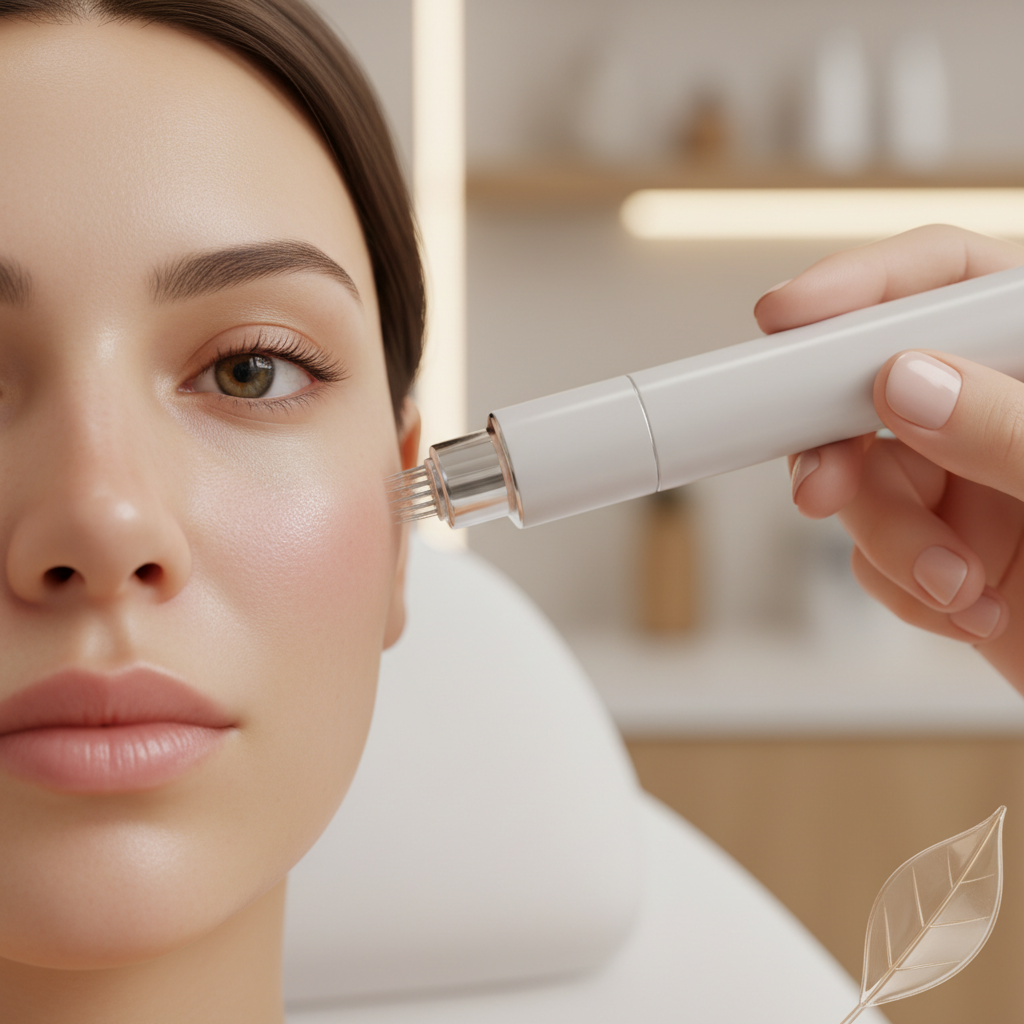
Key Ways Microneedling Will Boost Your Glow in 2026
As we look toward 2026, the demand for effective, minimally invasive skin treatments continues to grow. Microneedling, also known as collagen induction therapy, stands out as a leading procedure for its ability to address a wide range of skin concerns. It works by creating tiny, controlled micro-injuries in the skin's surface, which in turn triggers the body's natural healing process. This process stimulates the production of collagen and elastin, the two essential proteins responsible for skin's firmness, elasticity, and youthful appearance. Here are the primary ways this treatment is set to transform complexions.
1. Significantly Improves Skin Texture and Smoothness
One of the most celebrated benefits of microneedling is its profound impact on skin texture. Over time, factors like sun exposure, environmental pollutants, and natural aging can lead to a rough, uneven, or bumpy skin surface. The procedure directly addresses this by encouraging cellular turnover and rebuilding the skin's structural matrix from within. As new collagen and elastin form, the skin becomes plumper, smoother, and more refined.
This isn't just a surface-level fix. The new collagen fills in areas where the skin's support structure has weakened, leading to a noticeable reduction in the appearance of large pores and a generally softer feel to the touch. By 2026, advancements in device technology will allow for even more precise depth control, enabling practitioners to tailor treatments specifically to areas with textural irregularities, resulting in a more consistently flawless finish.
2. Reduces the Appearance of Acne Scars and Other Scarring
For many, the lingering marks of past acne breakouts can be a significant source of frustration. Microneedling has emerged as a highly effective solution for atrophic (depressed) acne scars, such as boxcar or rolling scars. The micro-needles break down the old, fibrous scar tissue that pulls the skin downward, creating the indented appearance. Simultaneously, the stimulation of new collagen helps to raise the floor of the scar, gradually making it more level with the surrounding skin.
This same principle applies to other types of scarring, such as those from minor injuries or surgery. While it may not completely erase a scar, a series of microneedling sessions can dramatically soften its texture, reduce discoloration, and make it far less conspicuous. The ongoing refinement of this technique means that treatments are becoming more comfortable and effective, offering hope to those who previously thought their scars were permanent.
3. Promotes a Brighter, More Even Skin Tone
Dullness and hyperpigmentation, including sunspots, age spots, and post-inflammatory hyperpigmentation (PIH) from acne, are common concerns that can make the skin look tired and aged. Microneedling helps to combat this in two key ways. Firstly, the physical process of the needles moving over the skin can help to break up clusters of melanin, the pigment responsible for dark spots. Secondly, the increased cell turnover rate helps to shed the outer layers of skin where this excess pigment is stored, revealing newer, more evenly-toned skin underneath.
Furthermore, the micro-channels created by the needles dramatically increase the absorption of topical skincare products. When a brightening serum containing ingredients like Vitamin C or niacinamide is applied after a session, its efficacy is boosted significantly. This synergistic approach allows for a more potent and targeted attack on uneven pigmentation, leading to a visibly brighter and more radiant complexion.
4. Minimizes Fine Lines and Wrinkles
The core function of microneedling is to boost collagen production, which makes it a powerful tool in the fight against the visible signs of aging. As we age, our natural collagen production declines, leading to skin laxity, fine lines, and wrinkles. By kick-starting this production process, microneedling helps to restore some of the skin's lost volume and firmness. The new collagen fibers act as a scaffolding, supporting the skin and smoothing out the fine lines that often appear around the eyes, mouth, and on the forehead.
While it may not deliver the dramatic results of a facelift, it offers a significant and natural-looking improvement with minimal downtime. For individuals looking for a proactive approach to age management in 2026, regular microneedling sessions can be a cornerstone of a strategy to maintain a youthful, supple appearance by continuously reinforcing the skin's foundational structure.
5. Enhances Overall Skin Health and Resilience
Beyond addressing specific concerns, microneedling contributes to the overall health and resilience of the skin. The treatment thickens the epidermis (the outermost layer of skin) by stimulating keratinocyte proliferation, making the skin stronger and better able to protect itself from environmental aggressors. Improved circulation in the treated areas also means that skin cells receive more oxygen and nutrients, which is vital for their optimal function and health.
This foundational improvement means your skin not only looks better but also functions better. It can become less sensitive, more hydrated, and better equipped to handle daily stressors. In an era where skin health is increasingly understood as being integral to overall wellness, microneedling provides a method to not just beautify the skin but to genuinely fortify it.
Understanding the Science: How Microneedling Works
The concept behind microneedling isn't new; it's rooted in ancient practices that recognized the skin's remarkable ability to heal and regenerate itself. However, the modern clinical practice, often referred to as Collagen Induction Therapy (CIT), was pioneered and refined over the past few decades. The procedure utilizes a specialized device equipped with fine, sterile, single-use needles to create thousands of microscopic punctures in the skin's top layer.
This action triggers a three-phase wound-healing cascade. The first phase is Inflammation, where the body's immune system is activated to disinfect the wounds, increase blood flow, and begin creating new tissue. The second phase is Proliferation, where new granulation cells, which are part of the extracellular matrix, and new blood vessels are formed. It is during this phase that the body begins to produce new Type III collagen and elastin. The final phase is Remodeling, which can last for months. During this stage, the weaker Type III collagen is replaced by stronger Type I collagen, leading to a tightening and strengthening of the skin. It is this long-term remodeling that produces the most significant and lasting results in skin texture and firmness.
Common Questions and Considerations for Microneedling
As microneedling grows in popularity, many people have questions about the experience and what to expect. Understanding the details can help you decide if this treatment is the right choice for your skincare goals.
What Does the Microneedling Process Actually Feel Like?
This is one of the most common concerns for first-timers. Before the procedure begins, a topical numbing cream is typically applied to the treatment area for about 30 to 45 minutes. This significantly minimizes any discomfort. Once the treatment starts, most people describe the sensation as a light vibration or a feeling similar to sandpaper being gently moved across the skin. In more sensitive or bony areas, like the forehead or along the jawline, you might feel a bit more of a prickling sensation, but it is generally well-tolerated.
The entire process for the face usually takes about 20 to 30 minutes. The practitioner will move the device in a systematic pattern across the skin to ensure even coverage. Immediately after the session, your skin will likely be red and feel warm, similar to a mild sunburn. This sensation typically subsides within a few hours.
Who Is the Ideal Candidate for Microneedling?
Microneedling is remarkably versatile and is suitable for a wide variety of skin types and tones. It is an excellent option for individuals concerned with fine lines, textural irregularities, enlarged pores, and mild to moderate acne scarring. Because it doesn't use heat like many laser treatments, there is a much lower risk of post-inflammatory hyperpigmentation, making it a safer choice for those with darker skin tones.
However, it is not for everyone. The treatment should be avoided by individuals with active acne, skin infections like cold sores, or certain skin conditions such as eczema or psoriasis in the treatment area. People with a history of keloid scarring should also consult carefully with a dermatologist. A thorough consultation with a qualified professional is essential to determine if you are a good candidate and to create a treatment plan tailored to your specific skin needs.
What Can I Expect During the Recovery Period?
The downtime associated with microneedling is one of its biggest advantages, as it's relatively minimal. For the first 24 to 48 hours, you can expect your skin to be red, slightly swollen, and feel tight, much like a sunburn. It's crucial during this time to be gentle with your skin. You should avoid makeup, harsh cleansers, exfoliating agents, and direct sun exposure.
Your practitioner will recommend a gentle cleanser and a hydrating serum (often with hyaluronic acid) to aid the healing process. After about two to three days, the redness usually subsides, and you might experience some light peeling or flakiness as the skin cells turn over. Most people feel comfortable returning to their normal social and work activities within a day or two. The most dramatic results, born from the collagen remodeling process, will gradually appear over the subsequent four to six weeks.
Conclusion
Microneedling has solidified its place as a go-to treatment for achieving healthier, more youthful-looking skin. Its ability to naturally stimulate the body's own regenerative processes to improve texture, reduce scarring, and minimize signs of aging makes it a powerful and versatile option. As we move into 2026, with continuing advancements in technology and technique, microneedling is poised to offer even more refined and consistent results. For those seeking a significant yet natural "glow up," it represents a proven and effective pathway to a more radiant and confident complexion.
For more detailed information on microneedling, you can visit reputable sources such as the American Academy of Dermatology Association or health-focused publications like Cleveland Clinic Health Essentials.