Unlock the Secret to Better Flavor: Why Cinnamon Choice Matters
Did you know that the type of cinnamon you use can influence your favorite recipes? In this article, we explore the subtle distinctions between varieties and how the type of cinnamon impacts your culinary creations.
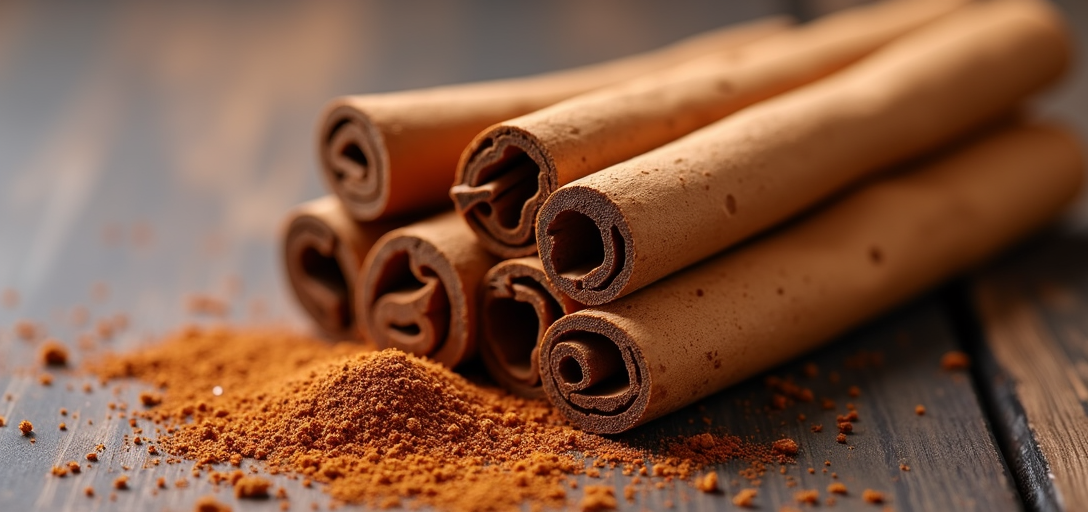
Understanding Cinnamon: A Brief Overview
Cinnamon is a spice loved and used by many cultures worldwide for centuries. Its warm, sweet flavor enhances dishes ranging from savory to sweet. But cinnamon is not a one-size-fits-all spice; the type of cinnamon you use makes a difference in taste, aroma, and health benefits. The main types are Ceylon cinnamon and Cassia cinnamon, each with distinct characteristics and uses.
Despite its popularity and widespread use, not everyone realizes the significant differences among cinnamon varieties. Recognizing these differences can elevate your culinary creations and potentially impact your health positively.
Ceylon vs. Cassia: What's the Difference?
Ceylon Cinnamon: The "True" Cinnamon
Ceylon cinnamon, often referred to as "true cinnamon," originates from Sri Lanka. It is considered the premium option due to its delicate, sweet flavor and lighter color. The texture of Ceylon cinnamon is softer, making it easier to grind into powder form.
This type of cinnamon is more expensive, but many purists prefer it for its subtlety and the fact that it contains lower levels of coumarin, a natural compound with a potential to cause liver toxicity in high doses.
Cassia Cinnamon: The Commonly Used Variety
Cassia cinnamon, on the other hand, is the more common and less expensive variety found in most grocery stores. Its flavor is stronger and spicier compared to Ceylon, with a darker, tougher texture. Cassia cinnamon primarily comes from China and Indonesia.
Unlike Ceylon, Cassia cinnamon contains higher levels of coumarin, which has raised health concerns when consumed in large amounts over extended periods. However, for occasional use, many people enjoy its bold flavor.
Health Implications: Choosing the Right Cinnamon
The type of cinnamon you use matters not only for flavor but also for health reasons. While both Ceylon and Cassia cinnamon offer potential health benefits, such as anti-inflammatory properties, regulating blood sugar levels, and supporting heart health, the coumarin content in Cassia demands cautious consumption.
A 2026 study published in the Journal of Medicinal Food found that regular consumption of Ceylon cinnamon showed a more favorable health profile, particularly in long-term use. This supports the choice of Ceylon for those looking to incorporate cinnamon into their daily health regimen. [source]
Daily Consumption Guidelines
For those considering regular intake of cinnamon for its health benefits, it is recommended to use Ceylon cinnamon. Guidelines suggest keeping the daily intake of Cassia cinnamon to a minimal level to avoid potential side effects.
- Ceylon Cinnamon: Safe for regular use due to its low coumarin levels.
- Cassia Cinnamon: Limit intake to no more than a teaspoon per day, as advised by health experts.
Culinary Applications: When to Use Each Type
The flavor profile of the cinnamon you choose will influence your dishes significantly. Understanding when to use Ceylon versus Cassia can help you optimize the taste of your recipes.
Ceylon Cinnamon in Cooking
Ceylon's subtle sweetness is perfect for delicate desserts and dishes where cinnamon is a supporting flavor rather than the main note. It's commonly used in baking, such as in cookies, cakes, and pastries, where its nuanced flavor shines.
Some chefs also prefer Ceylon cinnamon in their savory dishes, such as soups and stews, where a hint of cinnamon can elevate the flavors without overpowering them.
Cassia Cinnamon in Cooking
Due to its strong and robust flavor, Cassia cinnamon is often used in recipes where a bold cinnamon presence is desired—such as in cinnamon rolls, spiced breads, and various savory applications, like certain Asian dishes.
Its affordability and availability make it a popular choice for large-scale cooking and commercial food production.
Conclusion: Making Your Choice
Deciding between Ceylon and Cassia cinnamon depends on your culinary goals and health considerations. If your focus is on flavor nuances and regular consumption, Ceylon cinnamon is the preferable option. However, for stronger cinnamon flavoring, especially in one-off recipes or occasional indulgences, Cassia may be suitable.
Understanding these differences ensures that every dish and health goal benefits from the right type of cinnamon, enriching both flavor and well-being in your culinary journey.
For further reading on the health implications of cinnamon, visit the National Center for Complementary and Integrative Health. [source]