Unlock Your Financial Awareness: Learn How to Access Your Credit Report for Free
Discover the legitimate ways to check a credit report for free without any hidden costs. Stay informed about your credit score with methods that ensure safe and secure access to your financial information.
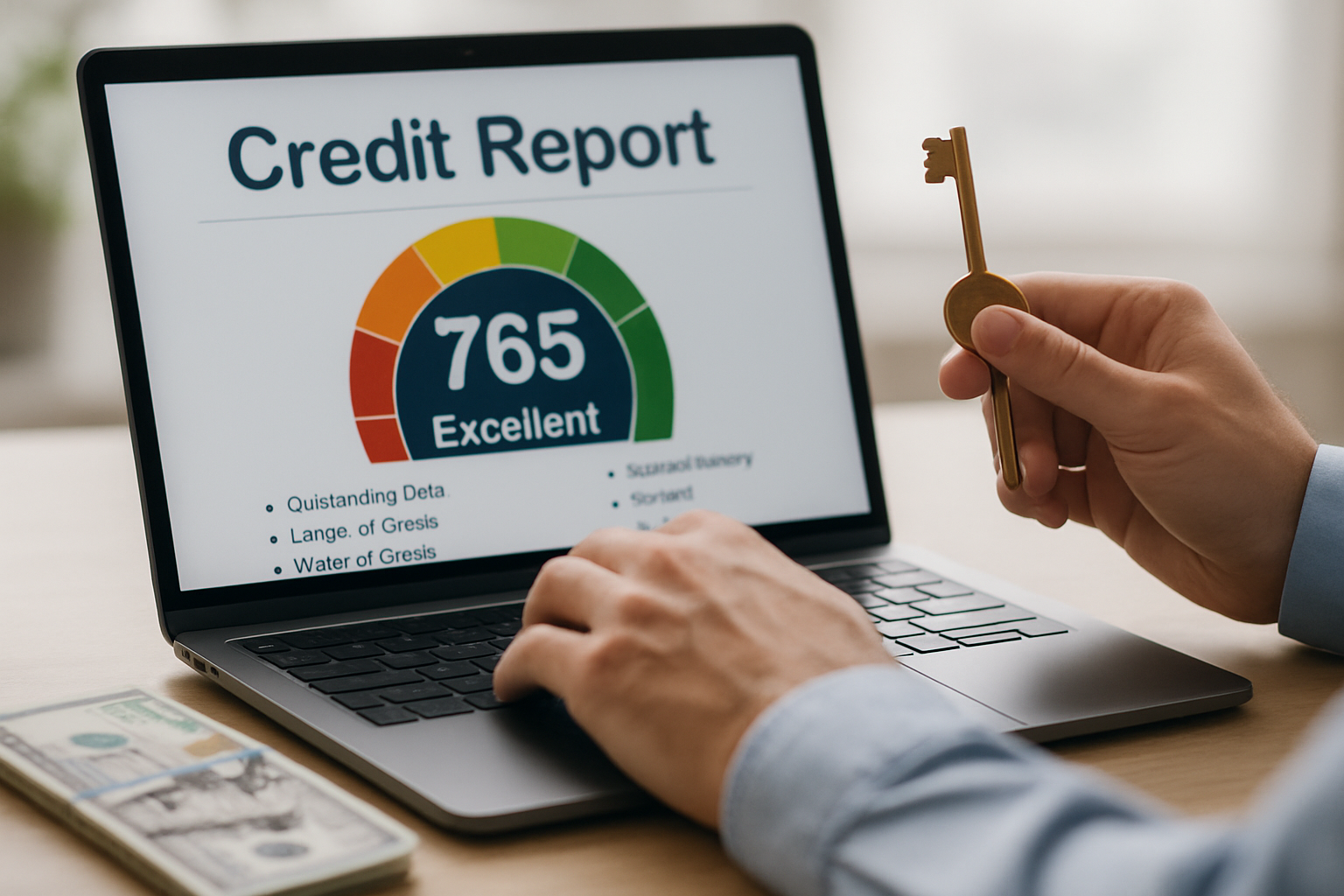
Understanding Credit Reports
Your credit report is a fundamental aspect of your financial identity. It contains detailed information about your credit history, including past loans, credit card accounts, and payment histories. It's crucial to check your credit report regularly to ensure the information reported is accurate and to spot any signs of potential identity theft or fraud.
Components of a Credit Report
A typical credit report includes the following:
- Identifying Information: This section contains your personal information such as your name, address, social security number, and date of birth.
- Credit Accounts: Details of your current and previous credit accounts, including their balance, credit limit, and payment history.
- Credit Inquiries: A list of entities that have accessed your credit report recently.
- Public Records: Information from court records, such as bankruptcies, which can affect your creditworthiness.
Why It’s Important to Check Your Credit Report
Regularly reviewing your credit report is important for several reasons:
- To ensure accurate information is being reported.
- To identify any unauthorized activity or signs of identity theft.
- To understand your credit standing before applying for new credit.
According to the Federal Trade Commission (FTC), one in five consumers has an error on one of their three credit reports. Identifying these errors early can save you from potential financial loss or credit score damage.
How Can You Check Your Credit Report for Free?
AnnualCreditReport.com
In the United States, you are entitled to receive a free copy of your credit report every 12 months from each of the three major credit bureaus: Experian, TransUnion, and Equifax. The only authorized website to access this free service is AnnualCreditReport.com.
The process is simple:
- Visit AnnualCreditReport.com.
- Fill out a form to request your reports from Experian, TransUnion, or Equifax.
- Verify your identity by answering questions about your finances.
- Download or print your credit reports for review.
Considerations During the COVID-19 Pandemic
In response to the economic fallout from the COVID-19 pandemic, the three credit bureaus have been offering free weekly credit reports through AnnualCreditReport.com until April 2026, allowing consumers to monitor their credit more closely during difficult times.
Credit Karma and Other Free Services
Beyond the government-mandated free annual reports, several services offer free access to your credit report and score. These services include:
- Credit Karma: Provides free access to your TransUnion and Equifax credit reports along with credit scores and personalized credit advice based on your credit profile.
- Bankrate: Offers various tools and resources to help you manage your credit score and financial health.
While these services are free, they typically generate revenue by recommending financial products, so always carefully review their offers to decide if they align with your financial goals.
Steps to Correct Errors on Your Credit Report
If you find errors on your credit report, it's critical to address them promptly. Here's how you can initiate the correction process:
- Identify and document all inaccuracies.
- Contact the credit bureau that issued the report, as well as the institution that provided the incorrect information.
- Submit a written dispute including copies of supporting documents.
- Monitor the bureau's response diligently; they are required by law to investigate within a certain timeframe, usually 30 days.
You can also use resources from the Consumer Financial Protection Bureau (CFPB) to guide you through the dispute process. Visit their official site at consumerfinance.gov for more detailed instructions.
Maintaining a Healthy Credit Report
Finally, maintaining a healthy credit report requires proactive and consistent effort:
- Regularly check your credit report for inaccuracies.
- Pay bills on time to build a positive payment history.
- Keep your credit utilization low.
- Limit hard inquiries by only applying for new credit when necessary.
According to recent statistics by Experian, as of 2026, the average FICO score in the U.S. has reached an all-time high of 716, showing a collective effort to maintain good credit health among Americans.
Conclusion
Checking your credit report is a straightforward yet powerful way to stay informed about your financial standing and protect yourself from potential fraud or errors. Utilize the free resources available to you, keep a keen eye on your credit history, and take necessary actions to correct any discrepancies. Maintaining an accurate credit report is fundamental to your financial wellbeing and opens doors to better credit terms and financial opportunities.