Unlocking Financial Assistance: Your Comprehensive Guide to Roof Repair Grants
A leaky or damaged roof is stressful enough without having to worry about the cost, which is exactly why grants for home repairs exist. This guide will walk you through the different types of roof repair assistance available, from federal programs to local nonprofit aid.
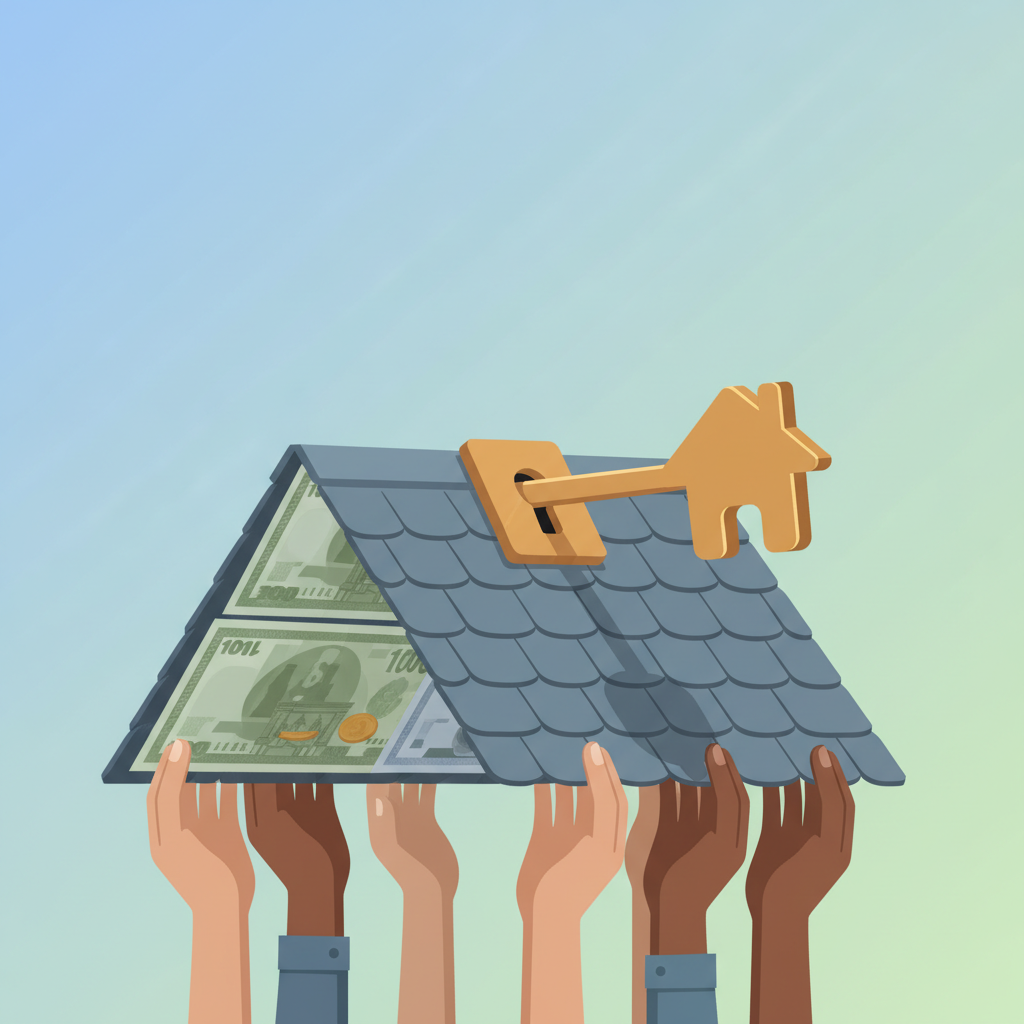
A Comprehensive Guide To Roof Repair Grants
Federal Government Assistance Programs
When your roof is failing, the cost of repair or replacement can be overwhelming. Fortunately, several federal programs are designed to help low-income homeowners, seniors, and those in rural areas maintain safe and healthy living conditions. These programs are often the first place homeowners should look for substantial financial assistance.
USDA Single Family Housing Repair Loans & Grants
The United States Department of Agriculture (USDA) offers a key program known as the Section 504 Home Repair program. This initiative provides both loans and grants to very-low-income homeowners to repair, improve, or modernize their homes. Grants are specifically available to homeowners who are 62 years of age or older and are unable to repay a repair loan. The funds can be used to remove health and safety hazards, which explicitly includes repairing or replacing a failing roof.
To qualify, applicants must be the homeowner, occupy the house, have a family income below 50 percent of the area median income, and be unable to obtain affordable credit elsewhere. The maximum grant amount is currently $10,000, and this can be combined with a loan for larger projects. The application process is handled through local USDA Rural Development offices, so homeowners must check their eligibility based on their specific location and financial situation.
Weatherization Assistance Program (WAP)
Administered by the Department of Energy (DOE), the Weatherization Assistance Program's primary goal is to reduce energy costs for low-income households by increasing the energy efficiency of their homes. While its main focus is on things like insulation and sealing air leaks, roof repair or replacement can be included if a damaged roof is preventing or interfering with effective weatherization work. For example, if a leaky roof is damaging the attic insulation, WAP funds may be used to repair the roof first.
Eligibility is typically based on household income, often at or below 200% of the federal poverty level. Priority is often given to households with elderly members, individuals with disabilities, or families with children. The program is run through state and local agencies, so the specific services and application processes can vary. It's an indirect but powerful way to secure funding for necessary roof repairs that are part of a larger energy efficiency upgrade.
FHA 203(k) Rehabilitation Mortgage Insurance
While not a grant, the Federal Housing Administration's (FHA) 203(k) loan program is a vital tool for those purchasing a home that needs significant repairs, including a new roof. It allows homebuyers to finance both the purchase of a house and the cost of its rehabilitation through a single mortgage. This can also be used by existing homeowners to refinance their current mortgage and include the costs of remodeling and repairs.
The program is popular because it often comes with a lower down payment and more flexible credit requirements than conventional loans. The "Limited 203(k)" is intended for less extensive repairs (up to $35,000), while the "Standard 203(k)" is for projects requiring major structural work. Replacing a roof falls comfortably within the scope of either, making it a viable option for those who can manage a loan but lack the upfront cash for repairs.
State and Local Government Programs
Beyond federal aid, many states, counties, and cities offer their own housing assistance programs. These are often funded through federal block grants, such as the Community Development Block Grant (CDBG), or state-specific initiatives. These programs can be highly effective because they are tailored to the needs of the local community.
Homeowners should start by searching their state's Housing Finance Agency (HFA) website or their city's Department of Housing. Many offer deferred-payment loans, low-interest loans, or direct grants for critical repairs, especially for seniors, veterans, and disabled residents. For example, a city might offer a "Senior Home Repair Grant" specifically for roof replacement or accessibility modifications. Because these programs are highly localized, the eligibility criteria and funding availability can change frequently, so it's essential to check directly with local authorities.
Non-Profit and Community Organizations
Several non-profit organizations dedicate their resources to helping homeowners in need. These groups often rely on volunteers and charitable donations to provide free or low-cost home repairs. While they may not offer direct cash grants, the value of their services can be just as significant.
Organizations like Rebuilding Together and local Habitat for Humanity affiliates have programs focused on helping low-income homeowners, particularly seniors and veterans, with critical repairs. Their "Safe at Home" or "A Brush with Kindness" programs often address issues like leaky roofs, broken windows, and unsafe flooring. The application process typically involves demonstrating financial need and homeownership. The major benefit is that these organizations manage the entire repair process, from assessment to completion, lifting a huge burden from the homeowner.
Why Roof Maintenance is a Critical Homeowner Responsibility
A roof is more than just a cover; it's the primary shield that protects a home, its occupants, and their belongings from the elements. Understanding its importance highlights why seeking repair grants is not just about fixing a leak—it's about preserving the entire structure and ensuring a safe living environment. A compromised roof can lead to a cascade of expensive and dangerous problems, making proactive maintenance and timely repairs a non-negotiable aspect of homeownership.
The most immediate consequence of a failing roof is water damage. Even a small leak can allow water to seep into the attic, damaging insulation, wooden rafters, and ceiling joists. Over time, this moisture can lead to the growth of toxic mold and mildew, which pose serious health risks, especially for individuals with respiratory issues, allergies, or compromised immune systems. Furthermore, persistent water intrusion can weaken the home's structural integrity, leading to sagging ceilings and, in worst-case scenarios, a partial or total collapse. What starts as a small, manageable repair can quickly escalate into a catastrophic and costly structural failure.
Beyond structural safety, a well-maintained roof plays a crucial role in a home's energy efficiency. A solid, properly insulated roof helps regulate indoor temperatures by preventing heat from escaping in the winter and keeping the home cooler in the summer. Gaps, cracks, or missing shingles create avenues for air leakage, forcing HVAC systems to work harder and driving up utility bills. For homeowners on a fixed or low income, these elevated energy costs can be a significant financial strain. By securing a grant to repair or replace their roof, they are not only fixing a physical problem but also making a long-term investment in lower living expenses.
Common Questions About Roof Repair Assistance
What Documents Do I Typically Need to Apply for a Roof Grant?
Applying for any form of financial assistance requires thorough documentation to verify your eligibility. While the exact requirements vary by program, most will ask for a standard set of documents to prove identity, income, and homeownership. Being prepared with these items can significantly speed up the application process.
Commonly required documents include:
- Proof of Homeownership: This is usually a copy of the deed to your property or recent property tax statements in your name.
- Proof of Income: You will need to show that your household income meets the program's low-income requirements. This can include recent pay stubs, Social Security benefit statements, pension statements, or the previous year's tax returns.
- Identification: A government-issued photo ID, such as a driver's license or state ID card, for all adult members of the household.
- Repair Estimates: Many grant programs require you to get one or more professional estimates from licensed contractors detailing the scope of the necessary roof repairs and the total cost. This helps them verify the need and allocate the correct amount of funding.
- Proof of Insurance (or lack thereof): You may need to provide a copy of your homeowner's insurance policy to show whether the damage is covered. If you were denied a claim, the denial letter is crucial.
Can I Get a Grant for a Full Roof Replacement or Just for Repairs?
This is a critical question that depends entirely on the specific grant program and the condition of your roof. Some smaller grants or volunteer-based programs may only have the resources to cover minor repairs, such as patching leaks or replacing a few shingles. Their goal is to address the most immediate health and safety hazards with limited funds.
However, many of the larger federal and state programs, like the USDA Section 504 grant, are designed to address substantial issues. If a professional assessment determines that the roof is beyond repair and poses a significant threat to the home's structure or the occupants' health, these programs will often cover the cost of a full replacement. The decision is typically based on a cost-benefit analysis—if repairing the roof is only a temporary fix and a replacement is the only long-term solution, the grant provider will usually opt for the replacement to ensure the funds are used effectively.
Are There Special Programs for Seniors or Veterans?
Yes, many grant and assistance programs either specifically target or give priority to seniors and veterans. These groups are often on fixed incomes and may face physical challenges that make home maintenance difficult. Recognizing this, government agencies and non-profits have established dedicated resources to help.
For seniors, the USDA Section 504 grant is a prime example, as it is only available to homeowners aged 62 and older. Additionally, local Area Agencies on Aging often have information on home repair assistance programs in your community. For veterans, the Department of Veterans Affairs (VA) offers the Specially Adapted Housing (SAH) and Special Home Adaptation (SHA) grants. While these are primarily for veterans with certain service-connected disabilities to help them live more independently, the funds can sometimes be used for necessary home modifications and repairs, including structural improvements like a new roof if it contributes to the veteran's ability to live safely in the home. Many local Habitat for Humanity and Rebuilding Together chapters also have specific initiatives focused on veteran home repairs.
Conclusion
Navigating the world of roof repair grants can seem daunting, but numerous resources are available to help homeowners in need. From federal initiatives like the USDA Section 504 program to state-level aid and the invaluable work of non-profits, financial assistance is within reach for many. The key is to thoroughly research the programs available in your specific area, carefully gather the required documentation, and understand the eligibility criteria for each. By taking these steps, homeowners can secure the funding needed to protect their most valuable asset and ensure a safe, secure living environment for years to come.