Unlocking Homeownership: Exploring FHA Loans for Disabled Individuals
Discover the possibilities of FHA home loans for disabled people. These loans come with distinct advantages, potentially making homeownership more accessible.
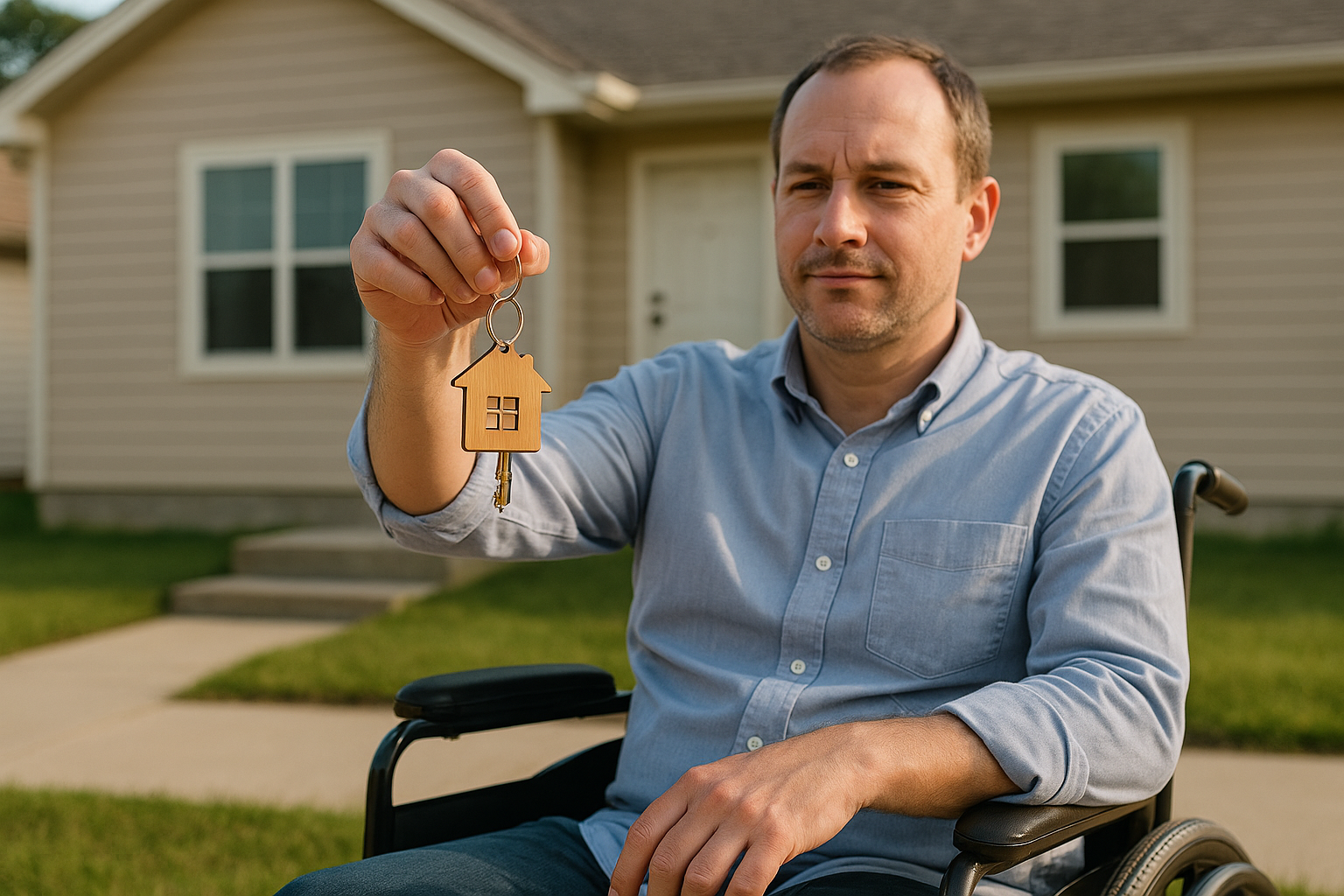
Understanding FHA Home Loans for Disabled Individuals
For many individuals living with disabilities, securing an affordable and accessible home is a crucial step toward independence and stability. The Federal Housing Administration (FHA) offers loan programs that can make home ownership possible for those who might face financial barriers. Here, we dive into how these FHA home loans work, the benefits they offer to disabled individuals, and what you need to know to get started.
What Are FHA Home Loans?
FHA home loans are mortgage loans insured by the Federal Housing Administration. They are designed to assist people who may not qualify for a standard mortgage due to limited income or poor credit. The FHA doesn't provide the loan directly; instead, it insures the loan, thus reducing the risk to lenders.
Since these loans are backed by the government, lenders are more inclined to offer favorable terms. This makes FHA loans particularly attractive to first-time homebuyers or those who have faced economic hardship, including individuals with disabilities.
Key Features of FHA Loans
- Lower Down Payment: One of the most attractive features of FHA loans is the low down payment requirement, often as low as 3.5%.
- Credit Flexibility: FHA loans typically accept lower credit scores compared to conventional loans, which is helpful if your credit history has been affected by medical expenses or other disability-related costs.
- Assumable Loans: If you decide to sell your home, the buyer may assume your FHA loan, potentially making your property more marketable.
- Rehabilitation Loans: Special programs exist within the FHA loan menu that can help finance home modifications for disabled individuals.
Each of these features can alleviate some of the financial pressures and challenges associated with purchasing a home.
FHA Loans Tailored for Disabled Individuals
The FHA recognizes the unique needs of disabled individuals and thus provides specific programs designed to address these. Here are some options that could be beneficial:
Section 203(k) Rehabilitation Mortgage Insurance
This program allows homebuyers and homeowners to finance both the purchase of a house and the cost of its rehabilitation through a single mortgage. For individuals with disabilities, this could be particularly useful for making necessary home modifications to improve accessibility.
Energy Efficient Mortgage Program
Disabled individuals may find maximizing living comfort important, and energy-efficient modifications often contribute to this. The FHA’s Energy Efficient Mortgage Program allows homeowners to finance energy-saving improvements as part of their FHA loan, potentially lowering utility bills.
Eligibility Criteria
To qualify for an FHA loan, disabled individuals must meet certain criteria:
- Minimum Credit Score: The typical minimum credit score for an FHA loan is 580, although there are still opportunities for those with lower scores by increasing the down payment.
- Debt-to-Income Ratio: A manageable debt-to-income ratio, usually around 43%, is required, but this can vary depending on the lender.
- Steady Employment History: Proof of a steady income is important, though disability benefits can sometimes be used to meet this requirement.
Application Process for Disabled Individuals
The application process for an FHA loan is relatively straightforward, but it requires planning and preparation, especially if you’re navigating the additional considerations that come with a disability. Here’s a breakdown of the steps:
- Get Pre-Approved: Applying for pre-approval gives you a clear idea of your budget and shows sellers you are a serious buyer.
- Contact HUD-approved Lenders: Reach out to lenders that are approved by the Department of Housing and Urban Development (HUD). You can find a list of these at the official HUD website.
- Collect Documentation: Prepare all necessary financial and personal documents, including proof of income, credit reports, and any disability-related documentation that may support your application.
Real-World Example: Sheila’s Journey to Homeownership
Sheila, a paraplegic woman in her mid-30s, utilized an FHA 203(k) loan to purchase a home that required significant accessibility modifications. By working closely with a HUD-approved lender and rehabilitation consultants, she transformed a traditional house into one that suits her needs, complete with widened doorways and a ramp system. Her story underscores the opportunity FHA loans can provide in achieving both financial independence and personal comfort.
Resources and Further Reading
For more detailed information, you may visit the following resources:
- HUD FHA Loan Programs
- United States Department of Labor on Disability
- Consumer Financial Protection Bureau
Conclusion
Securing an FHA home loan can be an excellent pathway for disabled individuals seeking to buy or modify a home. While there are eligibility requirements and a detailed application process, the benefits such loans offer are substantial. They present a viable option for those facing financial obstacles, allowing for accessible homeownership, peace of mind, and the all-important feeling of independence.