Unlocking the Best Mortgage Rates: What Credit Score Do You Really Need?
Curious about what credit score is needed for the best mortgage rate? Understanding how your credit score affects mortgage rates is essential for prospective homebuyers. While credit scores alone don't guarantee specific rates, having a higher score often opens doors to more favorable offers.
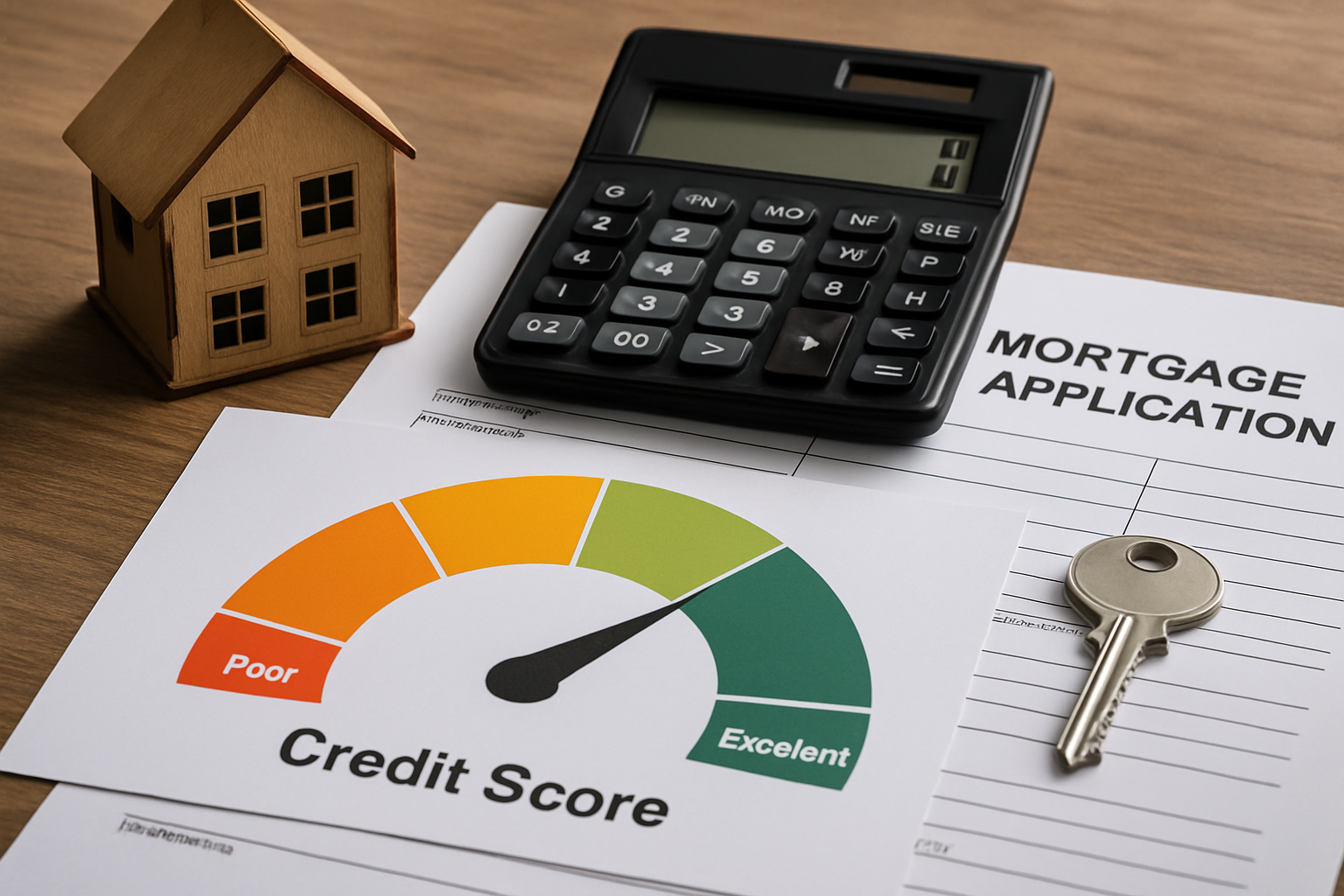
Understanding Credit Scores and Their Impact on Mortgage Rates
When you're in the market to buy a home, one crucial aspect to consider is the mortgage rate you can secure. A significant factor that influences your mortgage rate is your credit score. Understanding what credit score is needed for the best mortgage rate can not only save you money over the life of your loan but also help you in better preparing for your home buying journey.
What is a Credit Score?
A credit score is a numerical expression that represents your creditworthiness. Lenders use your credit score to assess the risk of lending you money. It is typically based on credit report information sourced from credit bureaus. The most common scoring model is the FICO score, which ranges from 300 to 850. The higher your score, the more likely lenders are to offer you favorable loan terms.
The Importance of Credit Scores for Mortgage Rates
Your credit score is one of the primary elements lenders consider when determining your mortgage interest rate. Essentially, the higher your credit score, the lower the risk you pose to lenders, which generally translates to lower interest rates on your mortgage. This reduction in interest rates ensures that you'll pay less money over the duration of your loan.
Credit Score Ranges and Mortgage Rates
- Excellent (800 - 850): Borrowers in this range are considered the least risky and can often access the lowest mortgage rates available.
- Very Good (740 - 799): You are likely to qualify for very good interest rates, though they might be slightly higher than those with excellent scores.
- Good (670 - 739): Borrowers with a good score will have access to decent mortgage rates but might not qualify for the best rates.
- Fair (580 - 669): With fair credit, you may face higher mortgage rates, and lenders might require more substantial down payments.
- Poor (300 - 579): A poor credit score makes it challenging to secure a mortgage, though some lenders specialize in higher-risk loans with significantly higher interest rates.
Real-World Example: How Credit Scores Affect Your Monthly Payments
For example, let's say you're taking out a $300,000 mortgage with a 30-year fixed rate:
- Excellent Credit (3.5% interest rate): A monthly payment of approximately $1,347.
- Good Credit (4.5% interest rate): A monthly payment of approximately $1,520.
- Fair Credit (5.5% interest rate): A monthly payment of approximately $1,703.
Over 30 years, the difference in total interest could be tens of thousands of dollars, clearly illustrating the substantial impact of credit scores on mortgage costs.
How to Improve Your Credit Score
If your credit score isn't where you'd like it to be, there are several steps you can take to improve it, potentially securing better mortgage rates in the future:
- Pay Your Bills on Time: Your payment history accounts for a significant portion of your credit score, so timely payments are critical.
- Reduce Your Debt-to-Income Ratio: Pay down existing debts to improve this ratio, which can positively influence your credit score.
- Limit New Credit Inquiries: Each hard inquiry can slightly lower your score, so avoid applying for new credit unless necessary.
- Check Your Credit Report for Errors: Regularly review your credit report to catch and dispute any inaccuracies that may be dragging down your score.
The Impact of Global Markets on Mortgage Rates
Mortgage rates aren't solely determined by individual credit scores; they are also influenced by broader economic factors. Currently, in 2026, rates are being impacted by inflationary trends and global economic policies. For example, central banks adjusting interest rates to manage inflation can lead to fluctuating mortgage rates. For a comprehensive understanding of how these global factors might affect you, consider consulting a financial advisor.
Conclusion: The Road to the Best Mortgage Rate
Your credit score is undeniably a critical factor in determining the mortgage rate you will be offered. By understanding the importance of credit scores, you can better position yourself to secure the best possible mortgage terms. Stay informed, take proactive steps to maintain or improve your credit score, and you'll be well on your way to achieving favorable lending conditions.
For further reliable insights, visit resources such as Consumer Financial Protection Bureau and Mortgage Bankers Association.