Unlocking the Potential: How AI Virtual Assistants Enhance Everyday Life
Discover the potential impacts of AI virtual assistants in everyday tasks! While AI technology continues evolving, explore a range of benefits these smart companions could offer. From streamlining routines to enhancing productivity, AI virtual assistants may transform interaction dynamics.
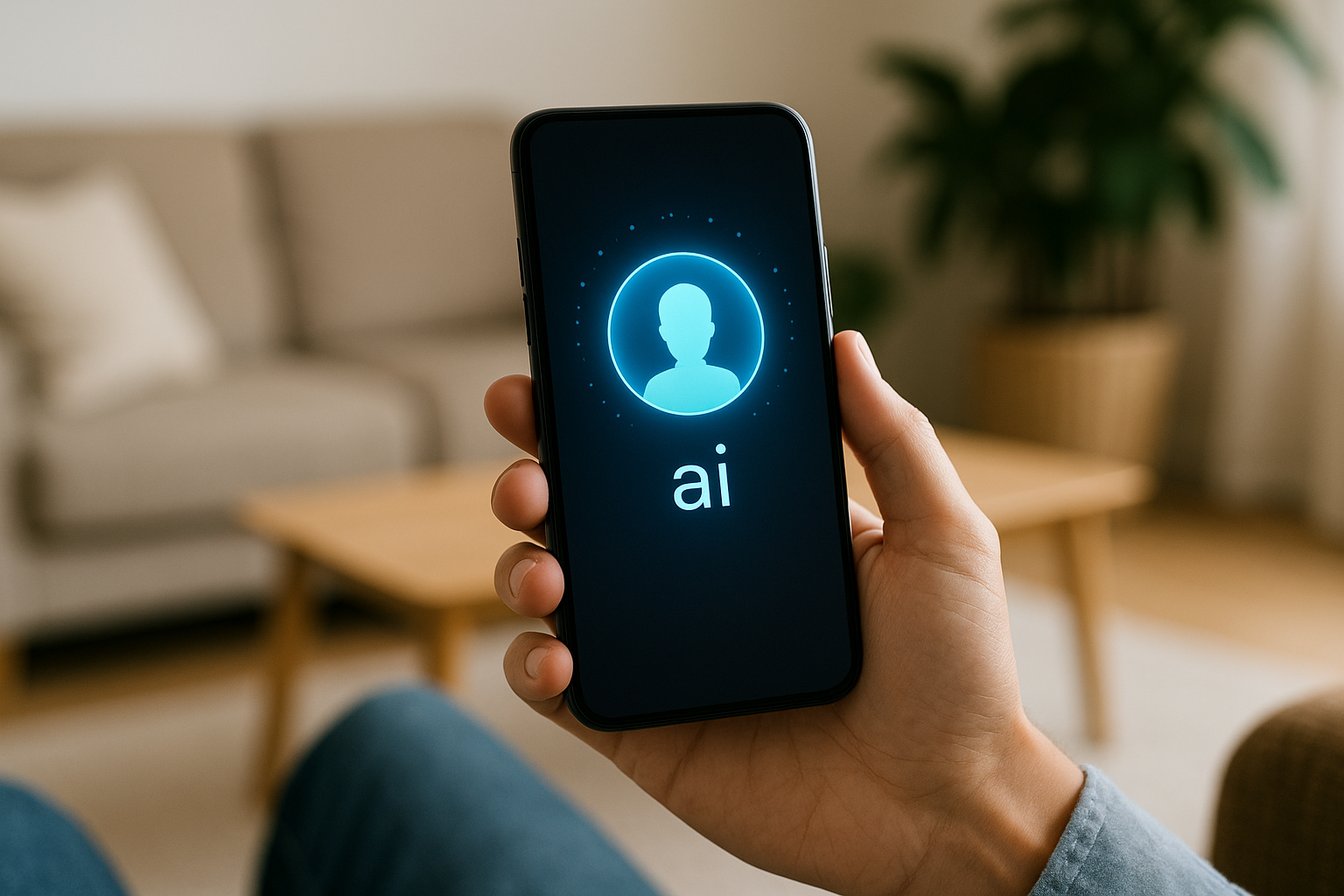
Understanding the Benefits of AI Virtual Assistants
In recent years, the rise of artificial intelligence (AI) has transformed the way we interact with technology. Among these advancements, AI virtual assistants have emerged as a powerful tool, offering productivity, convenience, and enhanced customer experiences. But what exactly are AI virtual assistants, and what benefits do they provide?
What Are AI Virtual Assistants?
AI virtual assistants are software programs powered by artificial intelligence that can understand, process, and respond to human language. They are designed to assist users with a variety of tasks, from answering questions and managing schedules to controlling smart home devices and providing customer service.
- Some of the most popular AI virtual assistants include Amazon's Alexa, Apple's Siri, Google Assistant, and Microsoft's Cortana.
- These assistants use natural language processing (NLP) to interpret and respond to spoken or typed commands.
The Benefits of AI Virtual Assistants
Saving Time and Increasing Efficiency
One of the most significant benefits of AI virtual assistants is their ability to save time and enhance efficiency. By automating routine tasks, they free up users to focus on more complex activities.
- Scheduling: AI assistants can manage calendars, set reminders, and schedule meetings seamlessly.
- Email Management: Virtual assistants can sort, read, and respond to emails based on user-defined priorities.
- Task Automation: They can handle repetitive tasks like data entry or report generation, which enhances productivity.
24/7 Availability and Support
Unlike human assistants, AI virtual assistants are continually available, ready to provide support at any time, day or night. This constant availability makes them particularly valuable for businesses seeking to provide excellent customer service around the clock.
For example, AI-driven chatbots on websites can assist users with inquiries outside of regular business hours, thus improving customer satisfaction and potentially increasing sales.
Improving Accessibility
AI virtual assistants play a crucial role in enhancing accessibility for individuals with disabilities. By enabling voice commands and responses, they open up the digital world to those who may have difficulty with traditional interfaces.
- Voice-activated commands allow mobility-impaired individuals to control devices and services hands-free.
- For visually impaired users, voice outputs from virtual assistants make navigating technology easier.
Cost-Effectiveness for Businesses
Implementing AI virtual assistants can also be a cost-effective solution for businesses. By handling routine inquiries and tasks, these assistants reduce the need for full-time staff to manage such activities.
A 2026 study by Gartner revealed that businesses using AI assistants for customer service have reduced operational costs by up to 30% through the automation of service tasks.
Real-World Applications and Examples
In the Workplace
AI virtual assistants are transforming offices by not only managing administrative tasks but also enhancing collaboration.
For instance, Microsoft's Cortana can integrate with Office 365 to help teams schedule meetings after analyzing participants' calendars and locations, thereby maximizing meeting attendance and productivity.
In Smart Homes
Virtual assistants are at the core of the smart home ecosystem. Devices like Google Nest and Amazon Echo facilitate control over connected appliances, lighting, and security systems simply through voice commands.
This integration of AI assistants into smart homes leads to energy savings and enhanced home security, creating a more efficient and safe living space.
In Customer Service
Businesses utilize AI virtual assistants to improve the customer service experience. Companies like Pizza Hut and Domino's have integrated AI chatbots to handle orders, provide menu information, and track deliveries, ensuring a seamless user experience.
Research by Forrester in 2026 found that customer satisfaction rates improved by 20% in companies that employed AI chatbots for customer interactions, demonstrating the significant impact of AI virtual assistants on enhancing service quality.
The Future of AI Virtual Assistants
As AI technology continues to evolve, so too will the capabilities of virtual assistants. We can anticipate more personalized experiences as these systems become better at learning from our behaviors and preferences. Future advancements may include improved contextual understanding, emotional intelligence, and even more predictive capabilities.
According to a report by PwC, the market for AI virtual assistants is expected to grow by 25% annually through 2030, showcasing the increasing reliance on and trust in these technologies.
Conclusion
AI virtual assistants stand as a testament to the powerful advancements in artificial intelligence technology. Their ability to automate tasks, offer around-the-clock support, and improve accessibility makes them invaluable across various sectors of our daily lives and business operations. As technology progresses, these benefits are set to expand, offering even more sophisticated and capable virtual assistants in the near future.
Staying informed about these innovations can help individuals and businesses leverage the full potential of AI virtual assistants, driving efficiency and enhancing user experiences in transformative ways.